
WHY WORST CASE THINKING IS A PROFESSIONAL SKILL IN CIVIL ENGINEERING
- Anjali Regmi
- Feb 6
- 4 min read

INTRODUCTION
Civil engineering exists in a world where uncertainty is unavoidable. Loads change, materials vary, site conditions differ from reports, and human behavior is unpredictable. In such an environment, the difference between a safe structure and a failed one often lies in how engineers think about the worst case. Worst case thinking is not pessimism. It is professional foresight.
Many young engineers focus on average conditions and ideal scenarios. Experienced engineers, however, are trained to ask what happens if things go wrong. This mindset protects lives, infrastructure, and professional credibility. This blog explains why worst case thinking is a critical professional skill in civil engineering and how it shapes responsible decision making.
WHAT WORST CASE THINKING REALLY MEANS
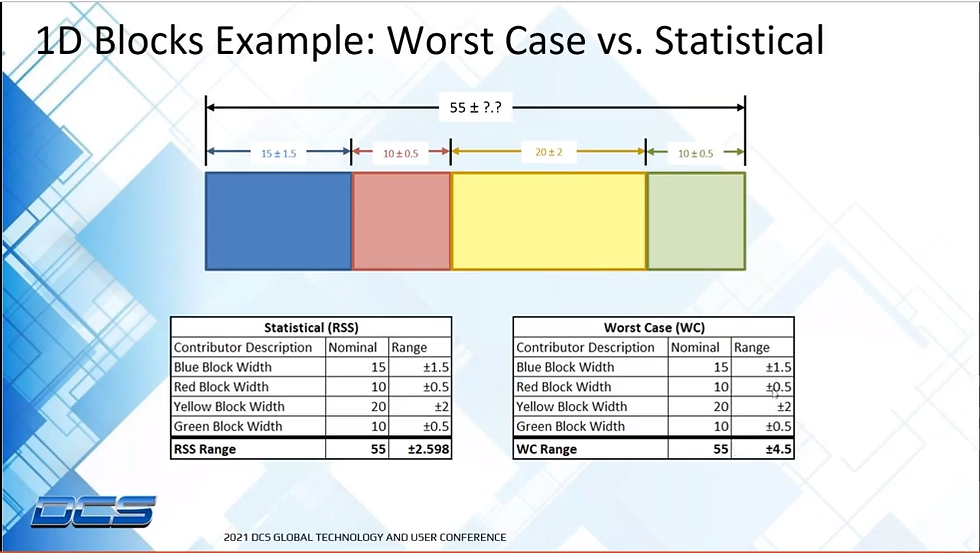
Worst case thinking means evaluating how a structure or system behaves under extreme but plausible conditions. It involves considering maximum loads, unfavorable combinations, material variability, construction errors, and environmental extremes.
This approach does not assume that the worst will always happen. It assumes that the worst can happen. Civil engineers design systems that remain safe when conditions deviate from expectations. Worst case thinking transforms uncertainty into manageable risk.
WHY AVERAGE BASED THINKING IS DANGEROUS
Designing only for average conditions creates fragile systems. Average values hide variability. Structures do not fail under average loads. They fail under extreme combinations of stress, poor execution, and unexpected events.
When engineers rely solely on typical conditions, they underestimate risk. Worst case thinking exposes vulnerabilities early and forces engineers to strengthen designs where it matters most. Safety margins exist because averages cannot protect against extremes.
WORST CASE THINKING AND PUBLIC SAFETY
Civil engineering decisions affect public safety directly. Bridges, buildings, roads, and utilities must protect users who have no control over design choices. Worst case thinking is an ethical obligation because it anticipates harm before it occurs.
Engineers who think in worst cases ask whether evacuation is possible, whether collapse is progressive, and whether failure provides warning. This mindset prioritizes human life over convenience or cost savings.
ROLE OF CODES AND WORST CASE SCENARIOS
Design codes embed worst case thinking through load combinations, safety factors, and partial factors. However, codes cannot foresee every scenario. Engineers must interpret and extend code philosophy to site specific conditions.
Worst case thinking fills the gap between written provisions and real world complexity. Engineers who understand the intent behind codes apply them conservatively where uncertainty is high. Compliance alone is insufficient without judgment.
CONSTRUCTION STAGE AND WORST CASE CONDITIONS
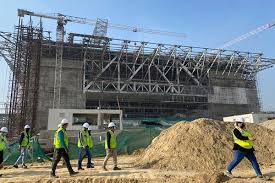
Worst case scenarios often occur during construction rather than service life. Temporary instability, incomplete load paths, and sequencing errors create risk.
Engineers must consider what happens if supports are removed early, if curing is inadequate, or if weather interrupts work. Designing for worst case during construction protects workers and prevents irreversible damage.
INDIAN CONTEXT AND EXTREME CONDITIONS
India experiences wide climatic variation, heavy rainfall, heat waves, seismic activity, and rapid urbanization. Infrastructure often operates under stress beyond original assumptions.
Worst case thinking is especially important in such environments. Engineers must consider flooding beyond historical data, traffic growth beyond projections, and material quality variability. Designs that survive Indian extremes demonstrate true robustness.
WORST CASE THINKING AND ENGINEERING EXPERIENCE
Experience sharpens worst case thinking. Engineers who have witnessed failures or near misses develop instinctive caution. They ask uncomfortable questions and challenge optimistic assumptions.
This caution is not fear. It is responsibility. Experienced engineers know that ignoring worst cases invites regret. Worst case thinking reflects professional maturity earned through exposure and reflection.
BALANCING WORST CASE THINKING WITH PRACTICALITY
Worst case thinking does not mean designing for impossible scenarios. Engineers must balance realism with feasibility. The goal is to address credible extremes, not hypothetical disasters without basis.
Professional judgment determines which scenarios deserve attention. Engineers assess likelihood, consequence, and mitigation options. This balance prevents overdesign while maintaining safety.

COMMON MISUNDERSTANDINGS ABOUT WORST CASE THINKING
Some view worst case thinking as overly conservative or expensive. In reality, the cost of ignoring worst cases is far greater. Failures lead to loss of life, litigation, and loss of trust.
Worst case thinking often improves efficiency by focusing resources where risk is highest. It prevents wasteful fixes later.
WHAT STUDENTS AND YOUNG ENGINEERS MUST LEARN
Students should learn to ask what happens if assumptions fail. Case studies of failures teach more than perfect examples.
Young engineers should observe how senior engineers question designs and sequences. Learning to think in extremes builds confidence and competence.
WORST CASE THINKING AS A MARK OF PROFESSIONALISM
Professional civil engineers are judged not by ideal performance, but by how their designs behave under stress. Worst case thinking prepares engineers for responsibility and accountability.
It signals seriousness, foresight, and respect for public safety. This mindset earns trust from peers, clients, and society.
CONCLUSION
Worst case thinking is not negativity. It is professional foresight. Civil engineering operates under uncertainty, and safety depends on anticipating extremes rather than hoping for averages.
Engineers who embrace worst case thinking design resilient systems, protect lives, and uphold the ethics of the profession. In civil engineering, preparing for the worst is the surest way to deliver the best.


Comments