
WHY TIER TWO AND TIER THREE COLLEGE STUDENTS CAN SUCCEED IN CIVIL ENGINEERING
- Anjali Regmi
- Jan 27
- 4 min read

In India, a significant portion of civil engineering graduates come from tier two and tier three colleges. Despite this, many such students begin their careers with a sense of inferiority, believing that success in civil engineering is reserved only for graduates from top tier institutions. This belief is widespread, yet it is deeply flawed.
Civil engineering is not a brand driven profession. It is a field where long term success depends on how well an engineer understands execution, handles responsibility, and adapts to real world challenges. Over time, the industry rewards competence, discipline, and experience rather than academic labels. This blog explains why students from tier two and tier three colleges can succeed in civil engineering and how they can build strong careers through the right approach and mindset.

UNDERSTANDING THE REAL NATURE OF CIVIL ENGINEERING CAREERS
Civil engineering is fundamentally a practical profession. Unlike some fields where careers are shaped primarily by campus placements and institutional reputation, civil engineering careers are shaped on construction sites and project offices. Engineers are evaluated daily based on how they perform in real conditions.
Once an engineer enters the workforce, the relevance of college name reduces rapidly. Supervisors, project managers, and clients focus on whether the engineer understands drawings, follows safety practices, manages quality, and communicates effectively. Performance on site becomes the true measure of ability, making civil engineering one of the most merit based professions in the long run.
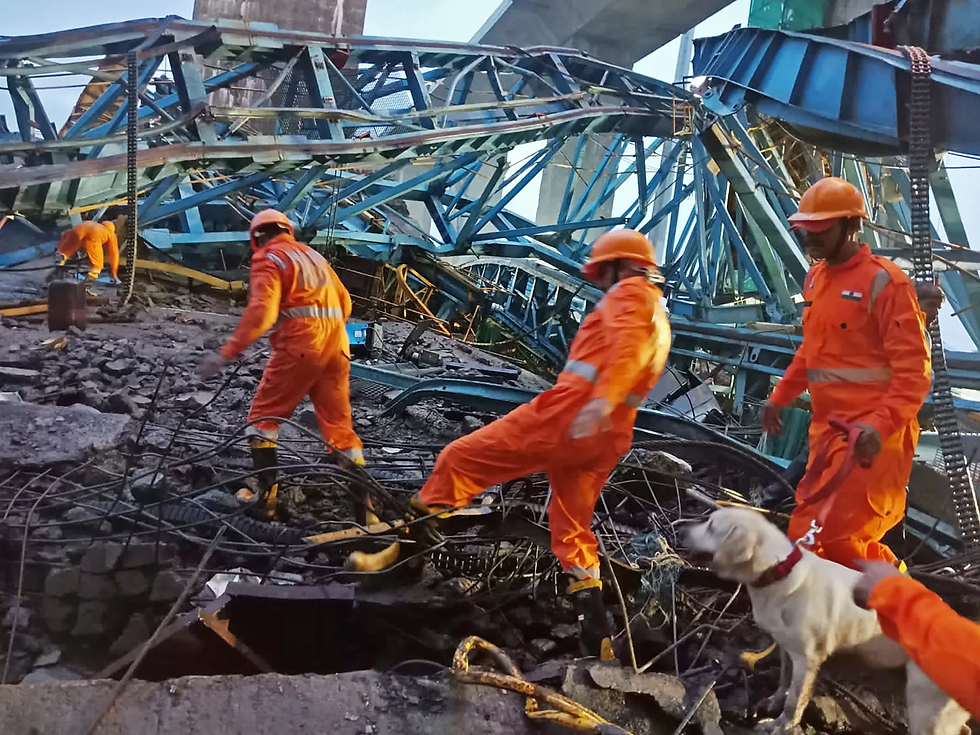
WHY COLLEGE BRAND MATTERS LESS OVER TIME
In the initial stage of a career, college brand may influence the first job opportunity. However, this advantage is temporary. Within a few years, experience and performance completely outweigh academic background.
Engineers who consistently deliver quality work, take responsibility, and show professionalism progress faster regardless of where they studied. Many engineers from lesser known colleges eventually surpass peers from reputed institutions because they focus more on learning and less on entitlement. In civil engineering, sustained effort replaces early privilege.
SITE EXPERIENCE CREATES EQUAL OPPORTUNITY
One of the strongest advantages for students from tier two and tier three colleges is their openness to starting from the ground level. Many such students actively seek site training, internships, and exposure to live projects. This hands on experience builds confidence and practical understanding that classroom learning alone cannot provide.
Site experience teaches engineers how materials behave, how teams function, and how decisions affect safety and quality. These lessons level the playing field and often give motivated students an edge over peers who rely only on theoretical knowledge.
SKILLS AND DISCIPLINE MATTER MORE THAN ACADEMIC PEDIGREE
Civil engineering success depends on the ability to understand construction processes, read drawings correctly, maintain quality standards, and coordinate with teams. These skills are developed through practice, observation, and consistent effort rather than college reputation.
Engineers who show discipline, punctuality, and accountability gain trust quickly. Over time, such professionals are given more responsibility and exposure, accelerating career growth. These qualities are independent of academic background and accessible to any committed individual.

ATTITUDE PLAYS A DECISIVE ROLE IN LONG TERM GROWTH
A major factor that differentiates successful engineers is attitude. Students from tier two and tier three colleges who approach work with humility and curiosity often progress faster. They are more willing to learn from seniors, accept feedback, and adapt to challenges.
Civil engineering rewards patience and persistence. Growth may be slow initially, but engineers who remain consistent eventually build strong professional identities. A positive learning mindset often matters more than initial advantages.
NATURAL ADVANTAGES OF NON ELITE COLLEGE BACKGROUNDS
Students from non elite institutions often develop resilience early in their careers. They tend to value opportunities deeply and are willing to put in effort without expecting immediate rewards. This resilience aligns well with the demands of construction projects, which require adaptability and perseverance.
Such students often become strong execution engineers because they are comfortable with ground realities. Over time, this adaptability becomes a major professional asset.
ROLE OF INTERNSHIPS AND PRACTICAL TRAINING
Quality site internships play a crucial role in bridging academic gaps. Students who spend meaningful time on construction sites develop clarity about their profession and confidence in their abilities.
Internships expose students to site discipline, safety culture, and professional expectations. Employers value candidates who demonstrate readiness to work in real conditions more than those with only academic achievements.
CAREER GROWTH IN CIVIL ENGINEERING IS GRADUAL BUT FAIR
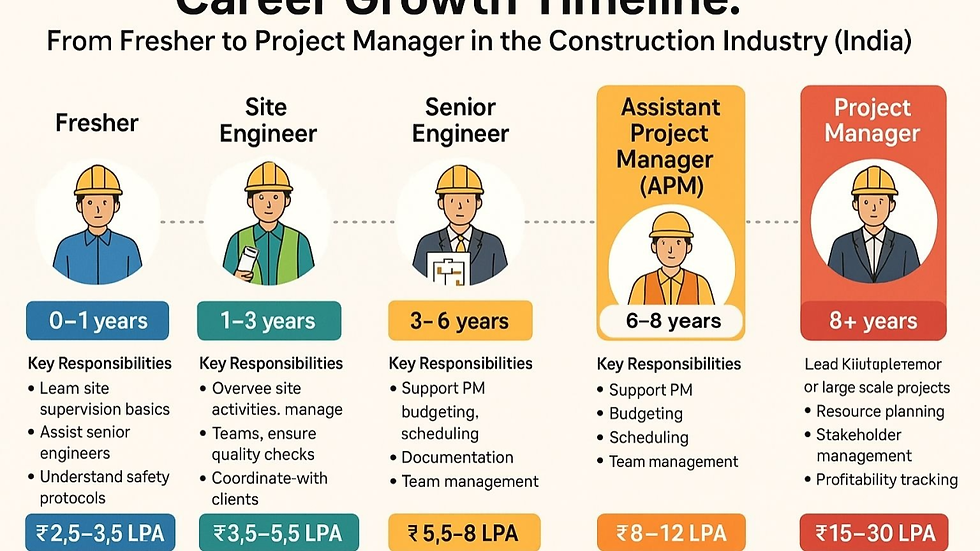
Civil engineering careers develop in stages. The early years focus on learning and execution, followed by coordination and responsibility, and eventually leadership and decision making. This progression applies to all engineers, regardless of academic background.
Students from tier two and tier three colleges may take longer to gain initial confidence, but once foundations are built, growth becomes steady and sustainable. The profession rewards those who stay consistent and committed.
INDUSTRY REALITY AND SUCCESS STORIES
Across India, numerous successful civil engineers, project managers, consultants, and entrepreneurs come from non elite colleges. Their success is rooted in years of site experience, ethical conduct, and continuous learning.
The construction industry values results and reliability above all else. These real world examples demonstrate that institutional background does not define professional destiny.
WHAT STUDENTS SHOULD FOCUS ON TO MAXIMIZE SUCCESS
Students from tier two and tier three colleges should focus on building strong fundamentals, gaining quality site exposure, improving communication skills, and maintaining professional discipline. These factors are fully within their control and have a direct impact on long term career outcomes.
Consistency in learning and behavior compounds over time and leads to professional credibility.
CONCLUSION
Students from tier two and tier three colleges can absolutely succeed in civil engineering. The profession rewards practical skills, discipline, and experience far more than academic branding. Civil engineering remains one of the most inclusive professions for individuals willing to learn and work consistently.
With the right mindset, site exposure, and professional conduct, students from any college background can grow into respected engineers and leaders. In civil engineering, it is not where you start, but how you build over time that determines success.


Comments