
Why Poor Waterproofing Causes Long-Term Damage in Buildings
- Anjali Regmi
- Mar 18
- 3 min read

Waterproofing is one of the most underestimated yet critical aspects of construction. While structural strength often gets the most attention, water leakage is one of the most common and costly problems in buildings. Many structures that are otherwise strong and well-designed suffer long-term damage simply because waterproofing was not done properly.
In real construction projects, waterproofing failures are not immediately visible. Problems usually appear months or even years after construction, making them difficult and expensive to repair. For civil engineers, understanding waterproofing is essential to ensure durability and long-term performance of buildings.
What Is Waterproofing in Construction?
Waterproofing refers to the process of making a structure resistant to water penetration. It is applied in areas that are exposed to moisture, such as:
Roof slabs
Bathrooms and toilets
Basements
External walls
The goal of waterproofing is to prevent water from entering the structure and causing damage over time.
Common Waterproofing Failures on Site
Waterproofing failures usually occur due to poor execution rather than material defects.
Common mistakes include:
Improper surface preparation before applying waterproofing layers
Incomplete coverage of waterproofing membranes
Poor sealing at joints and corners
Damage to waterproofing layers during construction
Even small gaps in waterproofing can allow water to seep into the structure.
Leakage in Roof Slabs
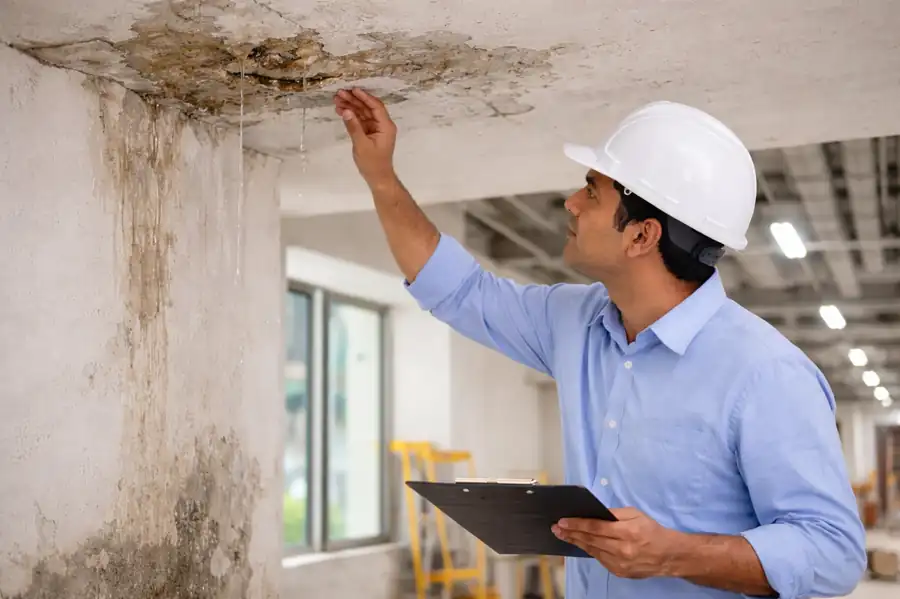
Roof slabs are directly exposed to rainwater and weather conditions. If waterproofing is not properly applied, water can penetrate through the slab and cause leakage inside the building.
Common problems caused by roof leakage include:
Damp patches on ceilings
Peeling paint and plaster
Growth of mold and fungus
Proper slope and drainage systems are also necessary to prevent water accumulation on roofs.
Bathroom and Toilet Leakage Issues
Bathrooms are one of the most vulnerable areas for water leakage due to constant exposure to water. Poor waterproofing in these areas can cause leakage to adjacent rooms or floors below.
Typical issues include:
Water seepage through floor slabs
Leakage through wall joints
Damage to tiles and finishes
Proper waterproofing membranes and sealing techniques are essential in wet areas.
Basement Water Seepage
Basements are below ground level and are constantly exposed to groundwater pressure. Without proper waterproofing, water can seep through basement walls and floors.
Consequences of basement leakage include:
Damp and unusable spaces
Structural damage over time
Corrosion of reinforcement
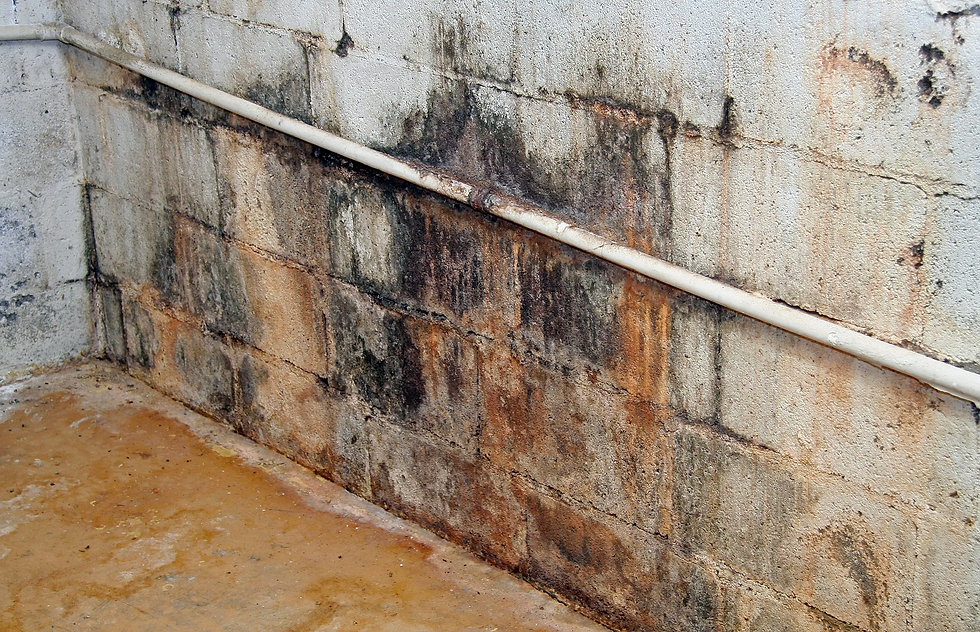
Special waterproofing systems such as membranes and drainage layers are required for basements.
Structural Damage Due to Water Ingress
Water entering a structure can cause serious long-term damage. When moisture reaches reinforcement bars, it can lead to corrosion.
Corrosion of reinforcement results in:
Expansion of steel bars
Cracking of concrete
Spalling of concrete surfaces
This reduces the strength and durability of the structure.
Importance of Surface Preparation
One of the most common reasons for waterproofing failure is improper surface preparation. Before applying waterproofing materials, surfaces must be:
Clean and free from dust
Smooth and properly leveled
Free from cracks and defects
If the surface is not prepared correctly, waterproofing layers may not adhere properly.
Role of Proper Drainage Systems
Waterproofing alone is not enough to prevent water damage. Proper drainage systems are necessary to direct water away from the structure.
Examples include:
Roof slope design for water drainage
Drain pipes and outlets
Surface drainage systems
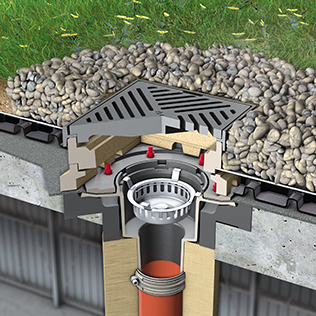
Without proper drainage, water may accumulate and increase the risk of leakage.
Lack of Supervision During Waterproofing Work
Waterproofing requires careful application, but it is often treated as a minor finishing activity. Lack of supervision can result in incomplete or incorrect application of waterproofing materials.
Site engineers must ensure:
Proper application techniques are followed
Waterproofing layers are not damaged during subsequent work
All joints and corners are sealed properly
High Cost of Repairing Waterproofing Failures
One of the biggest challenges with waterproofing problems is that they are difficult to repair after construction is completed.
Repair work may involve:
Removing tiles and finishes
Reapplying waterproofing layers
Repairing damaged structural elements
These repairs are expensive and time-consuming.
Conclusion
Waterproofing is a critical aspect of construction that directly affects the durability and usability of buildings. Poor waterproofing can lead to water leakage, structural damage, corrosion of reinforcement, and costly repairs.
Most waterproofing failures occur due to poor execution, lack of supervision, and improper surface preparation. Civil engineers must ensure that waterproofing work is carried out carefully and according to specifications.
In construction practice, preventing water leakage is always easier and more economical than repairing it later. Proper waterproofing and drainage systems are therefore essential for maintaining the long-term performance of buildings.


Comments