
Why Poor Plastering Work Leads to Cracks, Dampness, and Poor Finishing
- Anjali Regmi
- Mar 20
- 3 min read

Plastering is often considered a finishing activity in construction, but in reality, it plays a crucial role in both protection and aesthetics of a building. Good plastering not only gives a smooth surface but also protects walls from environmental effects like moisture and temperature changes.
However, in many construction projects, plastering is rushed or poorly executed. This leads to visible defects such as cracks, uneven surfaces, damp patches, and paint failure. These issues not only affect the appearance of the building but also increase maintenance costs.
For civil engineers, proper supervision of plastering work is essential to ensure long-term durability and quality.
What Is Plastering in Construction?
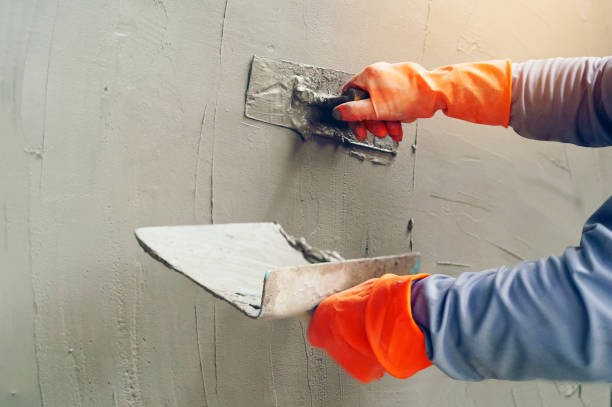
Plastering is the process of applying a layer of mortar (cement, sand, and water) over masonry or concrete surfaces to create a smooth and protective finish.
It serves multiple purposes:
Protects walls from moisture and weather
Provides a smooth surface for painting
Improves appearance of the structure
Despite being a finishing layer, plaster quality depends heavily on the base surface and workmanship.
Poor Surface Preparation Before Plastering
One of the most common causes of plaster failure is improper surface preparation.
Typical mistakes include:
Not cleaning dust and loose particles from walls
Not wetting the surface before plastering
Applying plaster on smooth concrete without proper bonding

Without proper preparation, plaster does not bond well and may peel off.
Incorrect Mortar Mix Proportion
The strength and durability of plaster depend on the correct mix ratio of cement and sand.
Common errors include:
Too much sand → weak plaster
Too much cement → shrinkage cracks
Excess water → reduced strength
Improper mix proportions lead to cracks and surface defects.
Uneven Thickness of Plaster
Plaster thickness must be uniform across the wall. If thickness varies, it can cause:
Cracks due to uneven drying
Poor surface finish
Increased material consumption
Thicker plaster areas tend to shrink more, leading to cracking.
Cracks in Plaster Surface
Cracks are one of the most common defects in plastering work.
Causes include:
Rapid drying of plaster
Improper curing
Movement in the underlying structure
Poor mortar quality
Even small cracks can allow water to penetrate and cause further damage.
Lack of Proper Curing
Plaster requires curing just like concrete. Without proper curing, the plaster loses moisture quickly and becomes weak.
Consequences include:
Reduced strength
Surface cracks
Poor durability
Regular curing ensures proper hydration of cement.
Dampness and Water Seepage
Poor plastering can allow water to penetrate walls, leading to dampness issues.
Problems include:
Damp patches on walls
Growth of mold and fungus
Peeling of paint
Proper plastering combined with waterproofing helps prevent seepage.
Poor Finishing and Aesthetic Issues
Plastering directly affects the visual appearance of a building. Poor workmanship results in:
Rough surfaces
Visible waves on walls
Uneven edges and corners

Good finishing improves the overall quality of construction.
Impact on Painting and Interior Work
Poor plaster quality affects subsequent finishing works such as painting.
Issues include:
Paint peeling due to weak plaster
Uneven paint finish
Additional surface preparation required
This increases time and cost of finishing work.
Role of Civil Engineers in Plastering Quality
Civil engineers must supervise plastering work carefully to maintain quality.
Their responsibilities include:
Ensuring proper surface preparation
Checking mortar proportions
Monitoring plaster thickness
Ensuring proper curing
Regular inspections help prevent defects.
Real Site Scenario
In many projects, plastering is completed quickly without proper curing. After a few months:
Cracks appear on walls
Paint starts peeling
Dampness develops
These issues often require rework, increasing maintenance costs.
Conclusion
Plastering is not just a finishing activity—it is a critical component that affects both durability and aesthetics of a building. Poor plastering practices can lead to cracks, dampness, weak surfaces, and increased maintenance.
Civil engineers must ensure proper surface preparation, correct mortar mix, uniform thickness, and adequate curing during plastering work. Attention to detail during this stage significantly improves the overall quality of construction.
In real construction practice, a well-finished building reflects the quality of plastering as much as the strength of its structure.


Comments