
Why Poor Masonry Work Leads to Cracks, Dampness, and Finishing Issues
- Anjali Regmi
- Mar 18
- 3 min read

Masonry work is one of the most visible and fundamental parts of any construction project. Whether it is brickwork or blockwork, masonry forms the walls that define the structure. While it may seem simple compared to structural concrete work, poor masonry execution can create long-term problems that affect both the durability and aesthetics of a building.
In real construction projects, many issues such as wall cracks, dampness, uneven plaster, and poor finishing originate from improper masonry work. These problems are often not immediately noticeable but become visible after plastering or occupancy.
For civil engineers, supervising masonry work properly is essential to ensure overall construction quality.
What Is Masonry Work?
Masonry involves the construction of walls using units such as bricks, concrete blocks, or stones bonded together with mortar. The quality of masonry depends on:
Alignment of units
Mortar quality and proportion
Joint thickness and bonding pattern
Proper curing
Even small deviations in these factors can lead to significant problems later.
Poor Alignment and Uneven Walls
One of the most common issues in masonry work is poor alignment. Walls that are not perfectly vertical or straight create problems during finishing stages.
Common causes include:
Lack of proper line and level checking
Rushed construction work
Inexperienced labor
Consequences include:
Thick and uneven plaster layers
Poor aesthetic appearance
Increased material consumption
Proper use of plumb lines and levels is essential during masonry work.
Incorrect Mortar Proportion
Mortar is the binding material that holds masonry units together. If the mortar mix is not prepared correctly, the strength of the wall may be compromised.
Typical mistakes include:
Using too much sand, reducing bonding strength
Adding excessive water, weakening the mortar
Inconsistent mixing of materials
Weak mortar can lead to cracks and reduced durability of walls.
Improper Joint Thickness
Joint thickness between masonry units must be uniform and within specified limits. If joints are too thick or uneven, they weaken the structural integrity of the wall.
Problems caused by improper joints include:
Weak bonding between bricks or blocks
Increased chances of cracking
Poor load distribution
Maintaining uniform joint thickness improves wall strength.
Lack of Proper Curing in Masonry
Just like concrete, masonry work also requires proper curing. Mortar needs moisture to gain strength.
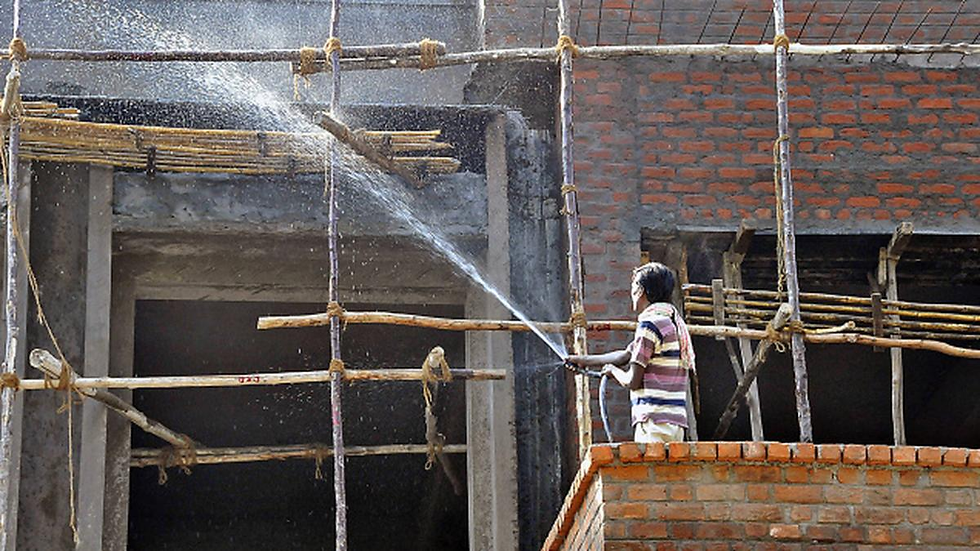
If curing is neglected:
Mortar dries too quickly
Bond strength reduces
Cracks may develop in walls
Regular water curing is essential for strong masonry.
Cracks in Masonry Walls
Cracks in walls are one of the most common problems observed in buildings. Poor masonry practices are often a major cause.
Common reasons include:
Weak mortar
Differential settlement
Improper bonding patterns
Lack of expansion joints
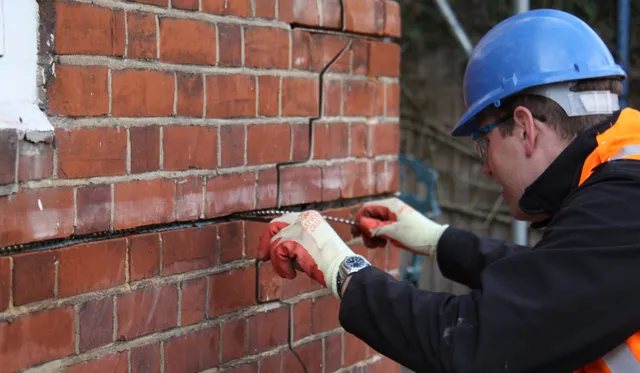
Early detection and correction help prevent further damage.
Dampness and Water Seepage
Improper masonry can create pathways for water to enter the building. Gaps, poor joints, and low-quality mortar increase permeability.
Consequences include:
Damp patches on walls
Growth of mold and fungus
Damage to interior finishes
Proper masonry techniques and waterproofing help prevent seepage.
Poor Bonding Between Bricks
Bonding refers to the arrangement of bricks in a pattern that ensures structural stability. Incorrect bonding patterns reduce the strength of walls.
Common bonding mistakes include:
Vertical joints aligned in consecutive layers
Lack of interlocking between bricks
Proper bonding improves load distribution and structural stability.
Impact on Plastering and Finishing
Masonry quality directly affects finishing work. Poorly constructed walls create challenges during plastering.
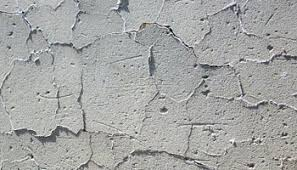
Issues include:
Uneven plaster surfaces
Increased plaster thickness
Higher material and labor costs
Good masonry reduces finishing work complexity.
Role of Civil Engineers in Masonry Supervision
Site engineers must ensure that masonry work is carried out according to standards.
Their responsibilities include:
Checking alignment and levels regularly
Verifying mortar proportions
Ensuring proper curing practices
Inspecting bonding patterns
Regular supervision helps maintain quality.
Long-Term Impact of Poor Masonry
Improper masonry can lead to several long-term problems:
Structural cracks
Water leakage and dampness
Reduced durability of walls
Increased maintenance costs
These issues affect both structural performance and building aesthetics.
Conclusion
Masonry work may appear simple, but it plays a crucial role in the overall quality and durability of a building. Poor masonry practices can lead to cracks, dampness, uneven finishes, and increased maintenance costs.
Civil engineers must ensure proper alignment, correct mortar proportions, uniform joints, and adequate curing during masonry construction. By maintaining strict quality control and supervision, engineers can prevent long-term defects and ensure durable construction.
In real construction practice, strong and well-finished buildings begin with high-quality masonry work and disciplined execution on site.


Comments