
Why Poor Formwork Removal Timing Leads to Cracks and Structural Failures
- Anjali Regmi
- Mar 18
- 3 min read

In reinforced concrete construction, formwork (shuttering) is used to support fresh concrete until it gains sufficient strength. While much attention is given to formwork design and alignment, one critical aspect that is often neglected on construction sites is the timing of formwork removal (de-shuttering).
Removing formwork too early or too late can both create serious problems. However, in real construction projects, early removal is a common issue due to pressure to speed up work. This can lead to cracks, deflection, and even structural failure.
For civil engineers, understanding proper de-shuttering timing is essential to ensure safety and structural performance.
What Is Formwork Removal (De-shuttering)?
Formwork removal refers to the process of removing temporary supports after concrete has hardened enough to support its own weight and applied loads.
Different structural elements require different de-shuttering times:
Vertical elements (columns, walls): 24–48 hours
Slabs (with props): 7–14 days
Beams and slabs (without props): 14–21 days (or more depending on span)
These durations vary depending on concrete strength, temperature, and site conditions.
Early Removal of Formwork
The most common site mistake is removing formwork before concrete gains sufficient strength. This usually happens due to tight project deadlines or pressure to reuse shuttering materials.
Real Problems Caused:
Cracks in slabs and beams
Excessive deflection (bending)
Weak structural elements
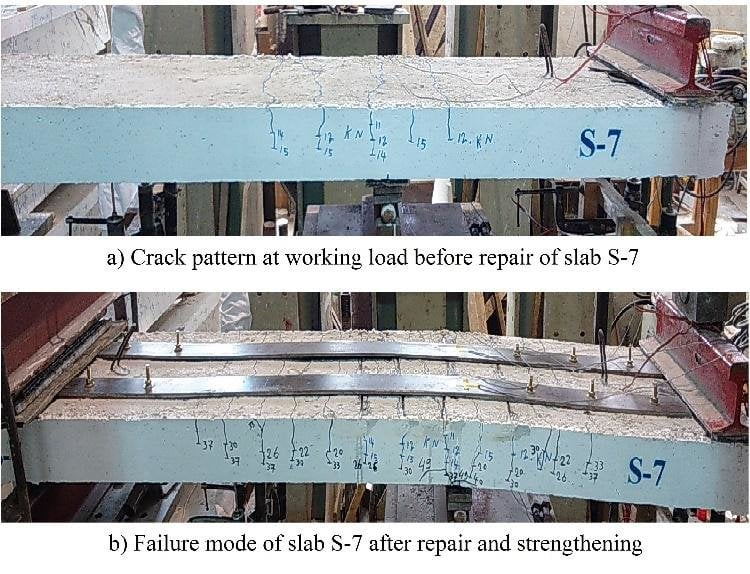
Concrete continues to gain strength over time, and early removal interrupts this process.
Structural Deflection in Slabs and Beams
If supports are removed too early, slabs and beams may sag under their own weight. This is called deflection.
Consequences include:
Uneven floors
Structural instability
Long-term performance issues
Even if collapse does not occur, deflection affects the usability and appearance of the structure.
Cracks Due to Insufficient Strength
Concrete gains strength gradually. If formwork is removed before adequate strength development, the structure may not be able to resist internal stresses.
This leads to:
Surface cracks
Structural cracks
Weak bonding between concrete and reinforcement
These cracks can reduce durability and allow water penetration.
Overloading After Early De-shuttering
Another common mistake is placing loads on slabs immediately after removing formwork.
Examples include:
Stacking construction materials
Movement of heavy equipment
Continued upper floor construction
If concrete has not achieved sufficient strength, these loads can cause structural damage.
Late Removal of Formwork (Less Common but Problematic)
While early removal is more dangerous, excessively delayed removal can also create issues such as:
Reduced construction speed
Increased project costs
Difficulty in reusing formwork
However, late removal is generally safer than early removal.
Factors Affecting Formwork Removal Time
De-shuttering time depends on several factors:
Type and grade of cement
Ambient temperature
Concrete mix design
Span of structural element
In colder conditions, concrete gains strength more slowly, requiring longer curing and support periods.
Role of Curing in Formwork Removal
Proper curing is essential before removing formwork. If curing is inadequate, concrete strength development is slower.
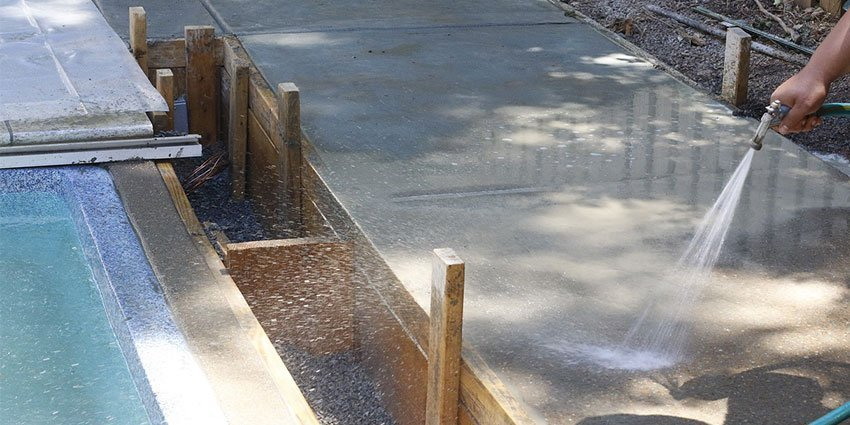
Removing formwork without proper curing increases the risk of structural damage.
Role of Civil Engineers in De-shuttering Decisions
Civil engineers must ensure that formwork is removed only after verifying concrete strength.
Their responsibilities include:
Checking curing duration
Reviewing concrete test results (cube strength)
Ensuring props are retained where required
Preventing early loading on slabs
Proper supervision helps avoid structural defects.
Real Site Scenario
In many projects, slabs are de-shuttered within 5–6 days to speed up construction. As a result:
Cracks appear within weeks
Floors develop uneven levels
Repairs become necessary
This is a common example of how poor decisions lead to long-term problems.
Preventive Measures
To avoid de-shuttering issues, engineers should:
Follow recommended time guidelines
Conduct strength tests before removal
Maintain proper curing practices
Avoid early loading on structures

These practices ensure structural safety.
Conclusion
Formwork removal is a critical step in concrete construction that directly affects the strength and stability of structural elements. Removing formwork too early can lead to cracks, deflection, and long-term structural problems, while improper supervision can worsen these issues.
Civil engineers must carefully evaluate concrete strength, curing conditions, and structural requirements before allowing de-shuttering. In construction practice, patience during early stages of concrete work ensures long-term durability and safety.
Ultimately, rushing formwork removal to save time can result in costly repairs and compromised structural performance, making proper timing essential in construction management.


Comments