
Why Poor Construction Scheduling Leads to Delays, Cost Overruns, and Site Chaos
- Anjali Regmi
- Mar 20
- 3 min read

In construction projects, technical execution is only one part of success. The other equally important aspect is construction scheduling—the planning of when and how each activity will be carried out. Even with good design, skilled labor, and quality materials, a project can fail if scheduling is poorly managed.
In real-world construction, poor scheduling is one of the biggest reasons behind project delays, cost overruns, idle resources, and site confusion. Many young engineers underestimate scheduling, treating it as paperwork rather than a core engineering responsibility.
For civil engineers, understanding construction scheduling is essential to manage projects efficiently.
What Is Construction Scheduling?
Construction scheduling is the process of planning, organizing, and controlling the sequence and timing of project activities. It defines:
When each activity will start and finish
Resource allocation (labor, materials, equipment)
Dependencies between tasks
Tools like Gantt charts and software such as Primavera or MS Project are commonly used.
Lack of Proper Activity Sequencing
One of the most common scheduling mistakes is improper sequencing of activities.
Examples include:
Starting plastering before electrical work is completed
Beginning finishing work before structural work is finalized
Installing tiles before waterproofing
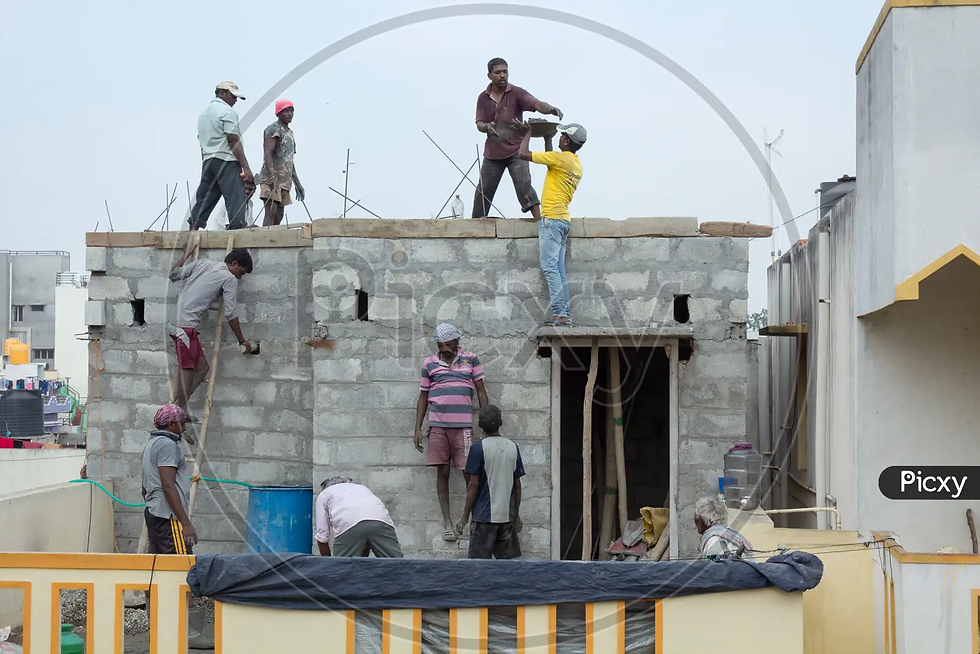
This leads to rework, delays, and increased costs.
Idle Labor and Equipment
Poor scheduling often results in labor and machinery remaining idle on site.
Common scenarios:
Workers waiting for materials to arrive
Equipment standing unused due to incomplete tasks
Teams unable to work due to dependency delays
Idle resources increase project costs without adding value.
Delays in Material Procurement
Scheduling must align with material procurement. If materials are not ordered in advance:
Work gets delayed
Labor productivity decreases
Project timelines extend
Proper planning ensures materials arrive exactly when needed.
Overlapping Activities Without Planning
While some activities can run simultaneously, improper overlapping creates conflicts.
Examples include:
Electrical work interfering with masonry
Painting started before plaster curing
Structural work overlapping with finishing work

This results in confusion, safety risks, and poor quality.
Failure to Identify Critical Activities
In every project, certain activities directly impact the completion timeline. These are known as critical activities.
If these are delayed:
Entire project gets delayed
Cost overruns increase
Young engineers often fail to identify and prioritize these activities.
Poor Coordination Between Teams
Construction scheduling requires coordination between multiple teams:
Structural team
MEP (Mechanical, Electrical, Plumbing) team
Finishing team
Without coordination:
Work clashes occur
Tasks are repeated
Delays increase

Good scheduling ensures smooth workflow.
Ignoring Buffer Time for Risks
Construction projects are unpredictable. Weather conditions, labor issues, and supply delays can affect progress.
If schedules do not include buffer time:
Small delays become major problems
Deadlines are missed
Risk-based scheduling helps manage uncertainties.
Lack of Monitoring and Updating Schedule
Creating a schedule is not enough—it must be regularly updated based on actual progress.
Common mistakes include:
Not tracking daily progress
Ignoring delays until they become critical
Failing to revise schedules
Regular monitoring helps keep the project on track.
Impact on Project Cost and Timeline
Poor scheduling directly affects both time and cost.
Consequences include:
Extended project duration
Increased labor and equipment costs
Delayed project delivery
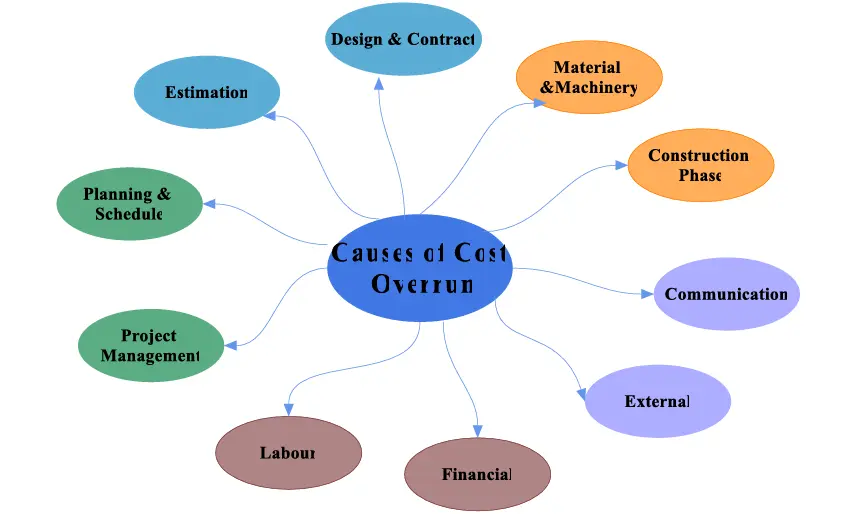
Efficient scheduling is key to project success.
Role of Civil Engineers in Scheduling
Civil engineers play a major role in planning and executing construction schedules.
Their responsibilities include:
Preparing realistic timelines
Coordinating between teams
Monitoring daily progress
Adjusting schedules as required
Good engineers treat scheduling as a core management skill.
Real Site Scenario
In many projects, finishing work is started early to meet deadlines. Later:
Electrical work damages finished walls
Rework is required
Costs increase
This is a direct result of poor scheduling.
Conclusion
Construction scheduling is not just a planning tool—it is the backbone of project execution. Poor scheduling leads to delays, idle resources, rework, and increased costs.
Civil engineers must focus on proper sequencing, coordination, and monitoring of activities to ensure smooth project execution. By identifying critical tasks, managing resources efficiently, and planning for uncertainties, engineers can significantly improve project outcomes.
In real construction practice, a well-planned schedule is as important as a well-designed structure.


Comments