
Why Poor Brick Quality Causes Cracks, Dampness, and Structural Issues
- Anjali Regmi
- Mar 20
- 3 min read

Bricks are one of the most commonly used construction materials in masonry work. While they may seem simple and uniform, the quality of bricks directly affects the strength, durability, and performance of a structure. In many real construction projects, poor-quality bricks are used either due to cost-cutting or lack of proper inspection.
Using substandard bricks can lead to cracks in walls, water seepage, weak bonding, and long-term maintenance problems. These issues often appear after construction is completed, making them expensive and difficult to fix.
For civil engineers, selecting and inspecting brick quality is a fundamental responsibility to ensure construction durability.
What Defines Good Quality Bricks?
Good quality bricks should meet certain standard requirements such as:
Uniform size and shape
High compressive strength
Low water absorption
Proper burning (not under-burnt or over-burnt)
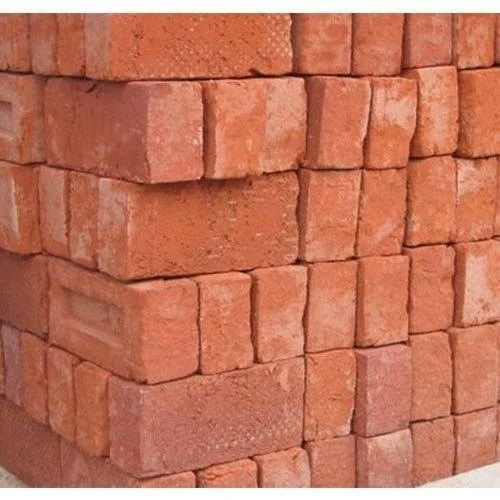
High-quality bricks provide strong bonding with mortar and improve wall stability.
Use of Under-Burnt Bricks
Under-burnt bricks are those that have not been fired properly in the kiln. These bricks are soft, porous, and have low strength.
Problems caused by under-burnt bricks include:
Easy breakage during handling
Weak load-bearing capacity
High water absorption
Such bricks are not suitable for structural work.
Use of Over-Burnt Bricks
Over-burnt bricks are excessively fired and become brittle. While they may appear strong, they are often irregular in shape and difficult to use in masonry.
Issues include:
Poor bonding with mortar
Irregular alignment in walls
Increased plaster thickness
Over-burnt bricks are generally used for non-structural purposes like soling.
High Water Absorption
Bricks with high water absorption can cause serious problems in construction. When bricks absorb too much water:
Mortar loses its moisture quickly
Bond strength between brick and mortar reduces
Dampness increases in walls
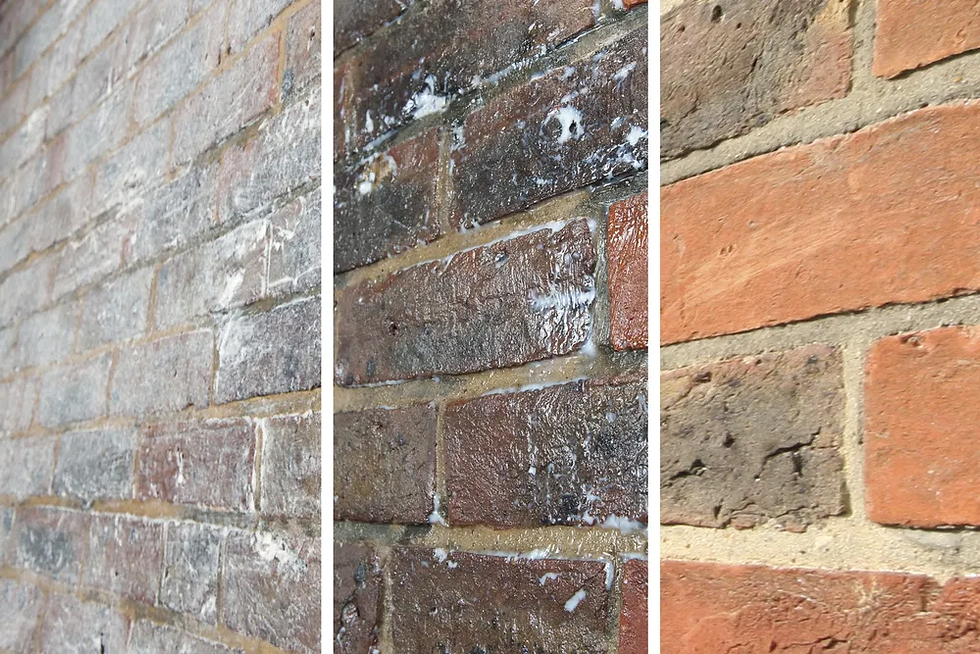
This leads to weak masonry and moisture-related issues.
Cracks in Masonry Walls
Poor-quality bricks often lead to cracks in walls due to their low strength and uneven behavior under load.
Common causes include:
Weak brick units breaking under stress
Uneven expansion and contraction
Poor bonding with mortar

These cracks may worsen over time and affect structural integrity.
Efflorescence in Brickwork
Efflorescence is the white powdery deposit that appears on brick surfaces due to soluble salts.
Causes include:
Poor-quality bricks with high salt content
Water movement through masonry

While it may not always affect strength, it reduces aesthetic quality and indicates moisture problems.
Poor Bonding with Mortar
Bricks must bond properly with mortar to form a strong wall. Poor-quality bricks often have smooth or dusty surfaces, reducing adhesion.
Consequences include:
Weak masonry structure
Increased chances of cracks
Reduced load-bearing capacity
Proper surface texture and preparation improve bonding.
Increased Maintenance Costs
Using poor-quality bricks may reduce initial construction cost, but it increases long-term maintenance expenses.
Common maintenance issues include:
Repairing cracks
Re-plastering walls
Fixing dampness problems
These costs often exceed the savings from using cheaper materials.
Role of Civil Engineers in Brick Quality Control
Civil engineers must ensure that only good-quality bricks are used in construction.
Their responsibilities include:
Inspecting bricks before use
Conducting simple field tests (soundness, water absorption)
Rejecting defective materials
Ensuring proper storage of bricks on site
Proper quality control prevents future defects.
Simple Field Tests for Brick Quality
Engineers can perform basic tests on site to check brick quality:
Sound test: Two bricks struck together should produce a clear ringing sound
Water absorption test: Bricks should not absorb more than specified limits
Visual inspection: Check for uniform shape and absence of cracks
These tests help identify poor-quality materials.
Conclusion
Brick quality plays a vital role in the strength, durability, and performance of masonry structures. Using poor-quality bricks can lead to cracks, dampness, weak bonding, and increased maintenance costs.
Civil engineers must ensure strict quality control during material selection and construction. Proper inspection, testing, and supervision can prevent long-term problems and ensure high-quality masonry work.
In real construction practice, strong walls are not just built with mortar—they depend on the quality of bricks used in construction.


Comments