
WHY MAINTENANCE IS AS IMPORTANT AS CONSTRUCTION IN CIVIL ENGINEERING
- Anjali Regmi
- Feb 2
- 4 min read

INTRODUCTION
Civil engineering is often celebrated for the act of building. New roads, bridges, buildings, and infrastructure projects receive attention, investment, and recognition. However, once construction is complete, the focus frequently shifts away from what happens next. In reality, the true performance of any civil engineering structure depends not only on how well it is built, but also on how well it is maintained over its entire life.
Maintenance is not a secondary activity or an optional expense. It is a core engineering responsibility that ensures safety, durability, and long term value. This blog explains why maintenance is as important as construction in civil engineering and why neglecting it leads to failures that could otherwise be prevented.
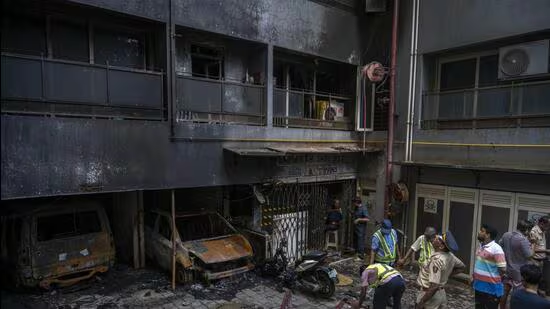
WHAT MAINTENANCE REALLY MEANS IN CIVIL ENGINEERING
Maintenance in civil engineering refers to the regular inspection, repair, and management of structures to keep them functioning as intended. It includes activities such as crack monitoring, drainage cleaning, surface repairs, corrosion control, and structural strengthening.
Unlike construction, maintenance focuses on gradual changes rather than immediate results. Structures age, materials deteriorate, and environmental conditions take their toll over time. Maintenance allows engineers to identify early signs of distress and address them before they escalate into serious problems.
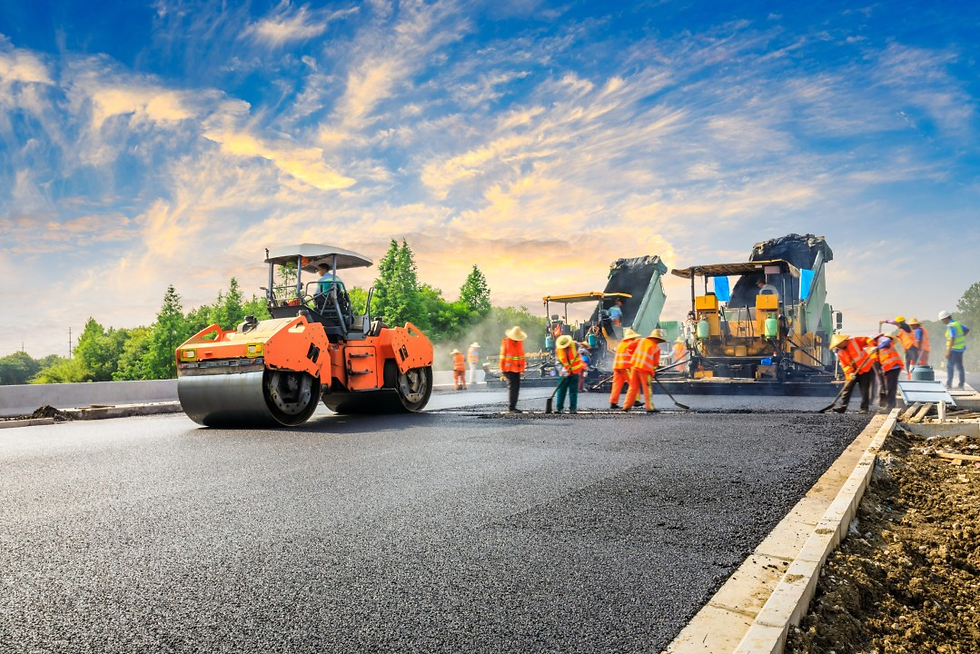
WHY STRUCTURES DETERIORATE OVER TIME
No structure remains in perfect condition forever. Concrete cracks due to shrinkage and temperature variation. Steel corrodes when exposed to moisture and pollutants. Foundations settle due to changes in soil conditions. Traffic loads increase beyond original assumptions.
These processes are natural and expected. Civil engineers design structures with durability in mind, but durability does not mean permanence. Maintenance works alongside design to manage deterioration and extend service life.
Ignoring deterioration does not stop it. It only hides it until failure becomes unavoidable.
MAINTENANCE AND PUBLIC SAFETY
Public safety is one of the strongest arguments for prioritizing maintenance. Bridges, buildings, roads, and public utilities are used daily by thousands of people. Small defects such as cracks, leakages, or joint failures can gradually reduce structural capacity.
Regular maintenance identifies these risks early. Engineers can take corrective action before safety is compromised. Many infrastructure failures around the world have occurred not because structures were poorly built, but because maintenance was neglected.
Maintenance protects lives just as much as design calculations do.
ECONOMIC VALUE OF MAINTENANCE
Maintenance is often viewed as a cost rather than an investment. This perception leads to deferred repairs and budget cuts. However, the economic reality is clear. Preventive maintenance costs far less than major repairs or reconstruction.
Timely maintenance extends the life of infrastructure and reduces long term expenditure. Repairing a small defect early prevents costly structural damage later. Countries and organizations that invest consistently in maintenance achieve better value from their infrastructure assets.
Neglecting maintenance increases total lifecycle cost.
MAINTENANCE VERSUS NEW CONSTRUCTION PRIORITIES
New construction projects attract political and public attention. Maintenance work is less visible and often overlooked. This imbalance creates infrastructure networks that expand rapidly but deteriorate quietly.
Civil engineers must advocate for balanced priorities. Building new infrastructure without maintaining existing assets weakens overall system performance. Sustainable development depends on caring for what already exists as much as creating what is new.
ROLE OF CIVIL ENGINEERS IN MAINTENANCE PLANNING
Civil engineers play a central role in maintenance planning and decision making. They assess structural condition, recommend repair methods, and prioritize interventions based on risk.
Maintenance planning requires judgment and experience. Engineers must decide which defects are critical and which can be monitored. This responsibility demands technical understanding and ethical commitment to safety.
Engineers who understand maintenance become better designers and planners.
INDIAN CONTEXT AND MAINTENANCE CHALLENGES
In India, maintenance faces challenges such as budget constraints, aging infrastructure, and rapid urban growth. Many structures are used beyond their original design life without adequate inspection.
Civil engineers must address these challenges through systematic inspection, documentation, and rehabilitation strategies. Improving maintenance culture is essential for sustainable infrastructure development in the country.
GLOBAL PRACTICES AND LESSONS
Globally, infrastructure owners increasingly adopt lifecycle based management approaches. Regular inspections, condition ratings, and maintenance schedules are standard practice.
These approaches reduce failures and optimize spending. Indian engineers who adopt similar practices improve both safety and global competitiveness.
WHY STUDENTS AND YOUNG ENGINEERS MUST UNDERSTAND MAINTENANCE
Engineering education often focuses on design and construction. Maintenance receives limited attention despite its importance.
Students and young engineers should observe how structures age and how repairs are carried out. Understanding maintenance builds respect for durability and long term performance. It also prepares engineers for leadership roles where asset management is critical.
MAINTENANCE AS A MARK OF PROFESSIONAL MATURITY
Engineers who value maintenance demonstrate maturity and responsibility. They think beyond project completion and consider the entire lifespan of infrastructure.
Maintenance oriented thinking leads to better decision making during design and construction. Engineers who plan for maintenance create structures that are easier and safer to manage over time.
CONCLUSION
Maintenance is as important as construction in civil engineering because it ensures safety, durability, and long term value. Structures are not static objects. They age, deteriorate, and respond to their environment. Maintenance manages this reality responsibly.
Civil engineers who prioritize maintenance protect public safety, reduce economic loss, and preserve infrastructure for future generations. In a profession defined by responsibility, caring for what is built is just as important as building it.


Comments