
Why Improper Tile Installation Leads to Cracks, Hollow Floors, and Costly Rework
- Anjali Regmi
- Mar 20
- 3 min read

Tile work is one of the final stages of construction, and it plays a major role in both the aesthetic appeal and functionality of a building. However, in many real construction projects, tile installation is rushed or poorly executed, leading to defects such as hollow sounds, cracked tiles, uneven surfaces, and water leakage.
These issues are often noticed only after completion, when repair becomes expensive and disruptive. For civil engineers, ensuring proper tile installation is critical to delivering a high-quality finished structure.
What Is Tile Installation in Construction?
Tile installation involves fixing tiles on floors or walls using adhesives or mortar to create a durable and smooth surface.
It is commonly used in:
Flooring areas
Bathrooms and kitchens
External cladding

Proper installation ensures long-lasting and visually appealing finishes.
Hollow Sound Under Tiles
One of the most common problems in tile work is the hollow sound when tiles are tapped. This occurs due to poor bonding between tile and substrate.
Causes:
Incomplete adhesive coverage
Air gaps beneath tiles
Improper pressing during installation
Consequences include:
Tiles becoming loose over time
Increased risk of tile breakage
Cracks in Tiles
Tile cracking is another frequent issue caused by improper installation.
Common reasons include:
Uneven base surface
Poor-quality adhesive or mortar
Movement or settlement of substrate
Cracked tiles affect both functionality and aesthetics.
Uneven Tile Surface
Tiles must be installed on a level surface. If the base is uneven or tiles are not aligned properly:
Lippage (height difference between tiles) occurs
Walking becomes uncomfortable
Water may accumulate in low spots
Proper leveling is essential before installation.
Poor Joint Alignment and Grouting
Tile joints must be uniform and properly filled with grout. Poor joint work leads to:
Uneven spacing
Water seepage through joints
Weak bonding between tiles
Grouting also protects tiles from moisture and dirt.
Lack of Proper Surface Preparation
Before tile installation, the base surface must be:
Clean and free from dust
Level and smooth
Properly cured
If preparation is poor:
Adhesion reduces
Tiles may loosen over time
Improper Adhesive Application
The method of applying adhesive is crucial for tile bonding.
Common mistakes include:
Applying adhesive only at corners
Using insufficient adhesive
Not using notched trowels
This results in weak bonding and hollow tiles.
No Expansion Joints in Large Areas
In large tiled areas, expansion joints are necessary to accommodate movement due to temperature changes.
Without joints:
Tiles may crack or lift
Surface may buckle
Proper spacing and joint design prevent such issues.
Water Leakage in Wet Areas
In bathrooms and kitchens, improper tile installation can lead to leakage.
Problems include:
Water seeping through joints
Damage to underlying structures
Dampness in adjacent areas
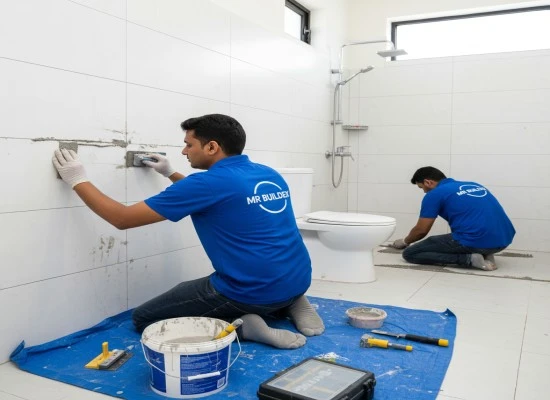
Waterproofing must be done before tile installation.
Rework and Increased Costs
Tile defects often require rework, which includes:
Removing damaged tiles
Reapplying adhesive
Reinstalling tiles
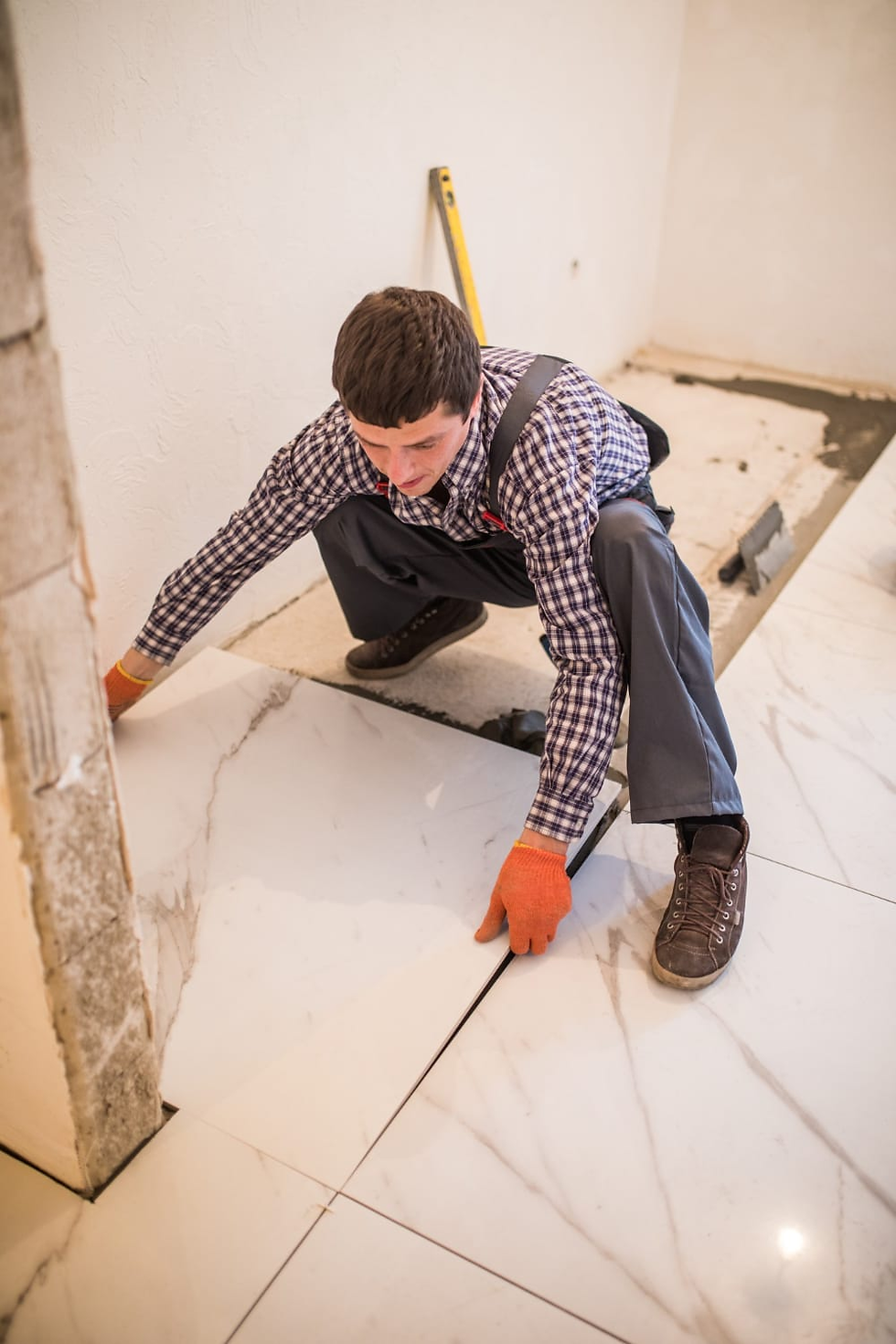
This increases project cost and delays completion.
Role of Civil Engineers in Tile Work
Civil engineers must ensure quality control during tile installation.
Their responsibilities include:
Checking surface preparation
Ensuring proper adhesive application
Verifying alignment and level
Inspecting grouting work
Supervision is key to avoiding defects.
Real Site Scenario
In many projects, tiles are installed quickly to meet deadlines. After a few weeks:
Tiles produce hollow sounds
Some tiles crack or loosen
Water leakage occurs in bathrooms
These are direct results of poor installation practices.
Conclusion
Tile installation is a critical finishing activity that affects both the appearance and functionality of a building. Improper installation can lead to hollow tiles, cracks, uneven surfaces, and water leakage.
Civil engineers must ensure proper surface preparation, correct adhesive application, and careful alignment during tile work. Attention to detail at this stage prevents costly rework and improves overall construction quality.
In real construction practice, a perfect finish is not achieved by materials alone—it depends on precision and care during execution.


Comments