
Why Improper Slab Reinforcement Leads to Cracks and Deflection
- Anjali Regmi
- Mar 20
- 3 min read

Slabs are one of the most critical structural elements in buildings, forming floors and roofs that carry loads and transfer them to beams and columns. While slabs may appear simple, their performance depends heavily on proper reinforcement placement and detailing.
In real construction projects, many slab-related issues such as cracks, deflection (sagging), and vibration occur due to improper reinforcement practices rather than design flaws. These mistakes are often made during execution and are difficult to correct later.
For civil engineers, ensuring correct slab reinforcement is essential for structural safety and long-term performance.
What Is Slab Reinforcement?
Slab reinforcement consists of steel bars placed within concrete to resist tensile stresses caused by bending. Typically, slabs include:
Main reinforcement (in shorter span direction)
Distribution reinforcement (in longer span direction)
Additional reinforcement at supports and openings
Correct placement ensures that the slab can safely carry loads.
Incorrect Placement of Reinforcement
One of the most common site issues is incorrect positioning of reinforcement bars.
Typical mistakes include:
Bars placed too close to the bottom or top
Missing top reinforcement over supports
Improper spacing between bars
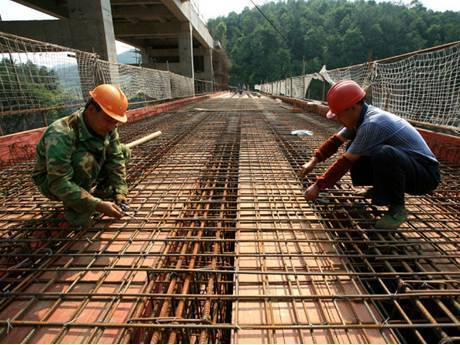
Improper placement reduces the slab’s ability to resist bending moments.
Insufficient Reinforcement at Supports
Slabs experience maximum negative bending moments at supports. If adequate top reinforcement is not provided in these areas:
Cracks develop near supports
Structural weakness occurs
Long-term durability reduces
This is a very common mistake in site execution.
Reinforcement Displacement During Concreting
During concrete pouring, reinforcement bars may shift if not properly secured.
Causes include:
Workers walking directly on reinforcement
Lack of proper chairs and spacers
Improper tying of bars
Displacement changes the effective depth of the slab, reducing strength.
Improper Spacing of Reinforcement Bars
Spacing between reinforcement bars must follow design specifications.
Common issues include:
Bars placed too far apart → weak slab
Bars placed too close → congestion
Consequences include:
Reduced load distribution
Cracks in slab
Difficulty in concrete compaction
Lack of Proper Cover in Slabs
Concrete cover protects reinforcement from environmental exposure. If cover is insufficient:
Reinforcement gets exposed
Corrosion starts
Cracks and spalling occur
Proper use of cover blocks is essential in slab construction.
Deflection (Sagging) of Slabs
Improper reinforcement can lead to slab deflection under load.

Causes include:
Insufficient reinforcement
Incorrect bar placement
Early removal of formwork
Deflection affects both safety and usability of the structure.
Cracks in Slabs
Cracks are one of the most visible problems in slab construction.
Common causes include:
Poor reinforcement detailing
Lack of temperature and shrinkage reinforcement
Improper curing
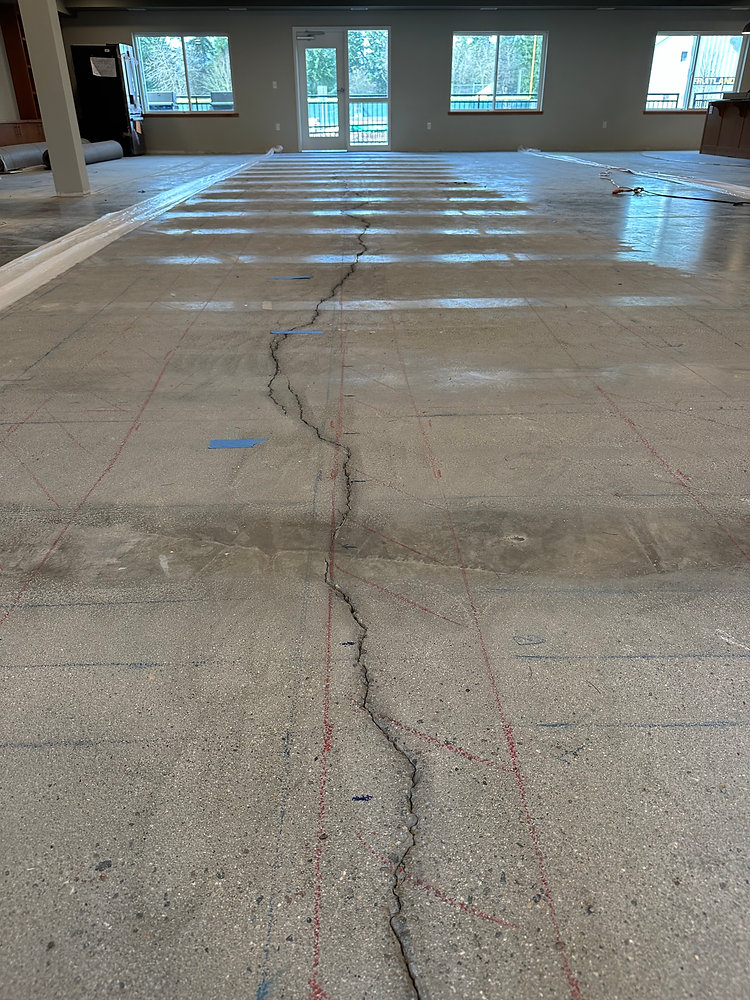
These cracks can lead to water leakage and long-term damage.
Lack of Supervision During Reinforcement Work
Reinforcement work requires careful inspection before concreting. If supervision is weak:
Bars may not follow drawings
Spacing errors go unnoticed
Missing reinforcement may not be detected
Once concrete is poured, these errors cannot be corrected easily.
Impact on Structural Performance
Improper slab reinforcement can lead to:
Reduced load-carrying capacity
Increased cracking and deflection
Shortened lifespan of structure
These issues compromise both safety and durability.
Role of Civil Engineers in Slab Reinforcement
Civil engineers must ensure that reinforcement is placed exactly as per design.
Their responsibilities include:
Checking bar size, spacing, and placement
Ensuring proper use of chairs and spacers
Verifying reinforcement at supports
Inspecting before concreting
Attention to detail is critical at this stage.
Real Site Scenario
In many projects, workers adjust reinforcement spacing to save time or material. Later:
Cracks appear in slabs
Water leakage occurs
Repair work becomes necessary
These problems are direct results of poor reinforcement practices.
Conclusion
Slab reinforcement is a critical aspect of structural construction that directly affects strength, durability, and performance. Improper placement, spacing, or supervision can lead to cracks, deflection, and long-term structural issues.
Civil engineers must ensure strict adherence to design drawings and conduct thorough inspections before concreting. Proper execution of reinforcement work is essential for safe and durable construction.
In real construction practice, the strength of a slab depends not just on concrete, but on how accurately the reinforcement is placed within it.


Comments