
Why Improper Expansion Joints Lead to Cracks and Structural Damage
- Anjali Regmi
- Mar 18
- 3 min read

In construction, materials like concrete, steel, and masonry are constantly subjected to changes in temperature, moisture, and loading conditions. These changes cause expansion and contraction in structural elements. To accommodate this movement, engineers provide expansion joints in buildings and infrastructure.
However, in many real-world construction projects, expansion joints are either ignored, poorly designed, or improperly executed. This leads to cracks, structural stress, and long-term damage. For civil engineers, understanding the importance of expansion joints is essential to ensure durability and performance of structures.
What Are Expansion Joints?
Expansion joints are intentional gaps provided in structures to allow movement due to:
Temperature variations
Shrinkage and creep in concrete
Seismic movements
Settlement differences

These joints prevent stress buildup within structural elements.
Why Expansion Joints Are Often Ignored
In many small and medium construction projects, expansion joints are neglected due to:
Lack of awareness
Cost-cutting measures
Poor design coordination
Assumption that joints are unnecessary
Since expansion joints are not visually prominent, their importance is often underestimated.
Cracks Due to Thermal Expansion
Concrete expands when temperature rises and contracts when it cools. If there is no provision for this movement, internal stresses develop within the structure.
This leads to:
Surface cracks in slabs and walls
Structural cracks over time
Reduced durability
Expansion joints absorb these movements and prevent cracking.
Stress Concentration in Structural Elements
Without expansion joints, stress accumulates in specific areas of the structure. These stress concentrations can weaken structural components.
Consequences include:
Cracking at beam-column junctions
Failure of masonry walls
Distortion of structural elements
Proper joint placement distributes stress evenly.
Problems in Long Structures
Expansion joints are especially important in long structures such as:
Bridges
Long buildings
Pavements and roads
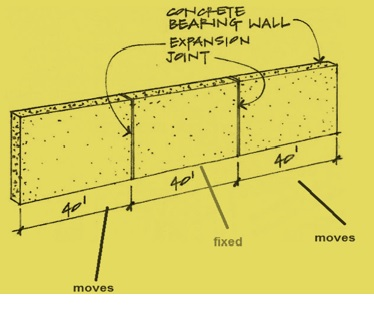
Without joints, these structures experience:
Continuous cracking
Buckling or deformation
Structural instability
Longer structures require more frequent expansion joints.
Water Leakage Through Improper Joints
Improperly designed or poorly sealed expansion joints can allow water to enter the structure.
This leads to:
Dampness in walls and slabs
Corrosion of reinforcement
Damage to finishes
Proper sealing materials such as joint fillers and sealants are necessary to prevent leakage.
Incorrect Placement of Expansion Joints
Even when expansion joints are provided, incorrect placement can reduce their effectiveness.
Common mistakes include:
Placing joints too far apart
Ignoring critical stress zones
Misalignment of joints in different structural elements
Correct positioning is essential to ensure proper movement accommodation.
Lack of Maintenance of Expansion Joints
Expansion joints require periodic maintenance to remain effective. Over time, sealants may deteriorate due to weather exposure.
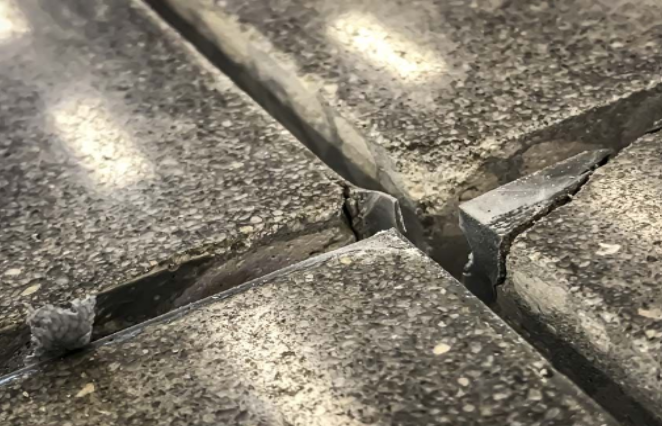
Without maintenance:
Joints lose flexibility
Water ingress occurs
Structural damage increases
Regular inspection is necessary.
Impact on Structural Durability
Improper or missing expansion joints can significantly reduce the lifespan of structures.
Long-term effects include:
Progressive cracking
Increased maintenance costs
Structural weakening
Providing proper joints improves durability and performance.
Role of Civil Engineers in Expansion Joint Design
Civil engineers must ensure that expansion joints are properly designed and executed.
Their responsibilities include:
Determining correct spacing of joints
Selecting appropriate joint materials
Supervising installation
Ensuring proper sealing
Proper design prevents long-term issues.
Real Site Scenario
In many buildings, expansion joints are not provided in long walls. Over time:
Cracks develop along wall length
Plaster starts peeling
Repair work becomes frequent
These problems could have been avoided with proper joint design.
Preventive Measures
To avoid expansion joint problems, engineers should:
Provide joints at regular intervals
Use high-quality joint fillers and sealants
Ensure proper installation and alignment
Conduct regular maintenance checks

These measures help maintain structural integrity.
Conclusion
Expansion joints are essential components of construction that allow structures to accommodate movement caused by temperature changes and other factors. Ignoring or improperly executing expansion joints can lead to cracks, stress buildup, and long-term structural damage.
Civil engineers must prioritize proper design, placement, and maintenance of expansion joints to ensure durability and performance. In real construction practice, allowing controlled movement in structures is key to preventing uncontrolled damage.


Comments