
Why Improper Concrete Cover Leads to Corrosion and Structural Damage
- Anjali Regmi
- Mar 20
- 3 min read

In reinforced concrete structures, steel reinforcement is embedded inside concrete to provide tensile strength. However, for reinforcement to perform effectively and remain durable, it must be protected from environmental exposure. This protection is provided by concrete cover.
Concrete cover is one of the most critical yet frequently neglected aspects of construction. Improper cover—either too little or too much—can lead to serious issues such as corrosion, cracking, and reduced structural life.
For civil engineers, ensuring proper concrete cover is essential for long-term durability and safety of structures.
What Is Concrete Cover?
Concrete cover is the distance between the surface of the concrete and the outer surface of the reinforcement bars. It acts as a protective layer that shields steel from moisture, air, and chemical exposure.
Typical cover requirements vary depending on the structural element:
Slabs: 15–25 mm
Beams: 25–40 mm
Columns: 40–50 mm
Footings: 50–75 mm
Proper cover ensures both durability and fire resistance.
Insufficient Concrete Cover
One of the most common site issues is providing less cover than required. This often happens due to:
Missing or improper use of cover blocks
Movement of reinforcement during concreting
Poor supervision
Consequences:
Exposure of reinforcement to air and moisture
Rapid corrosion of steel
Cracks and spalling of concrete

Corrosion is one of the biggest threats to reinforced concrete structures.
Excessive Concrete Cover
While insufficient cover is dangerous, excessive cover can also create problems.
Common issues include:
Reduced effective depth of structural elements
Decreased load-carrying capacity
Increased chances of cracking
Too much cover means reinforcement is not positioned optimally to resist tensile forces.
Corrosion of Reinforcement
When concrete cover is inadequate, moisture and oxygen reach the reinforcement, causing corrosion.
Corrosion leads to:
Expansion of steel bars
Cracking of surrounding concrete
Spalling (breaking off of concrete surface)
This weakens the structure over time.
Cracking and Spalling of Concrete
As corroded steel expands, it creates internal pressure within the concrete. This results in:
Surface cracks
Flaking of concrete
Exposure of reinforcement
Once spalling begins, the structure becomes more vulnerable to further damage.
Reduced Fire Resistance
Concrete cover also protects reinforcement from high temperatures during fire exposure. If cover is insufficient, steel heats up quickly and loses strength.
This can lead to:
Reduced structural stability during fire
Increased risk of collapse
Proper cover improves fire resistance of structures.
Causes of Improper Concrete Cover
Several practical issues lead to incorrect cover on site:
Not using cover blocks or using broken ones
Workers stepping on reinforcement cages
Improper fixing of reinforcement
Poor formwork alignment
These are common site-level mistakes that can have long-term consequences.
Role of Cover Blocks and Spacers
Cover blocks and spacers are used to maintain proper distance between reinforcement and formwork.
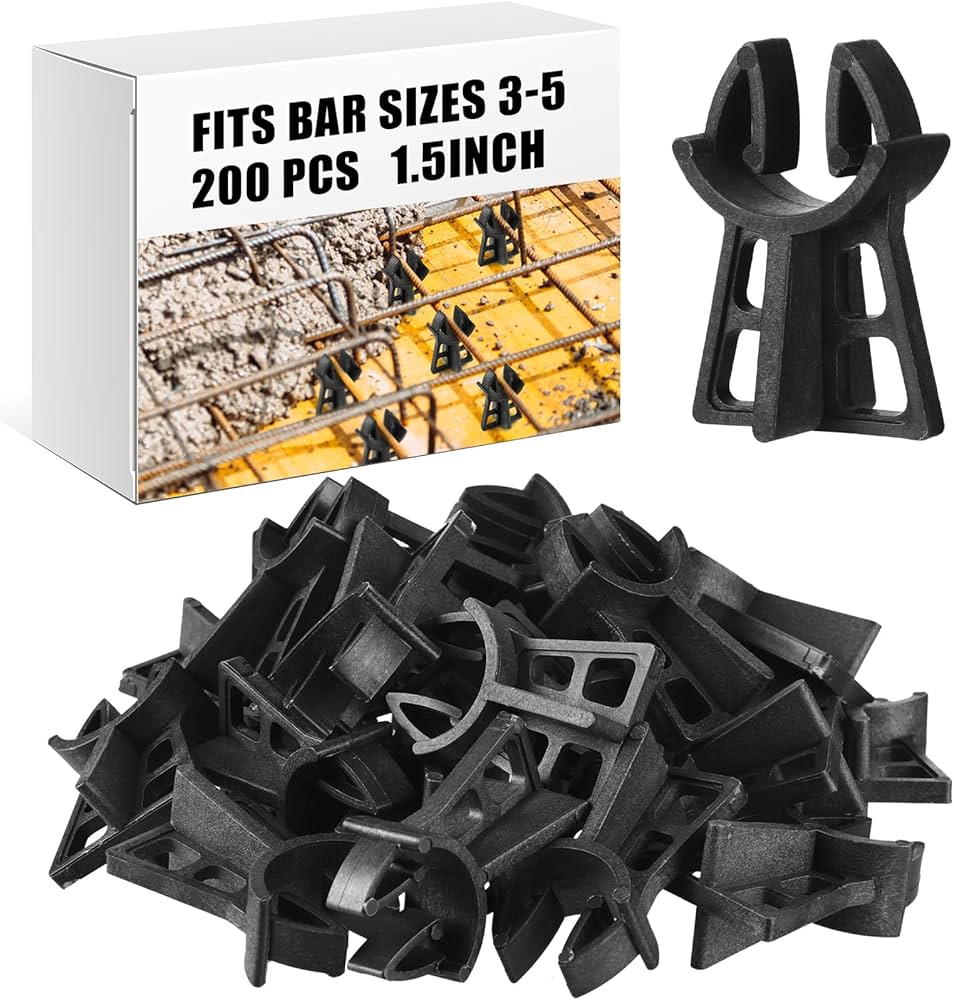
Types include:
Concrete cover blocks
Plastic spacers
Chairs for slab reinforcement
Proper use of these ensures uniform cover.
Importance of Pre-Concreting Inspection
Before pouring concrete, engineers must inspect reinforcement placement carefully.
Checklist includes:
Verifying cover distance
Checking placement of cover blocks
Ensuring reinforcement is properly tied
Skipping this inspection can result in permanent defects.
Real Site Scenario
In many projects, cover blocks are either not used or displaced during concreting. After a few years:
Rust stains appear on concrete surface
Cracks develop
Concrete starts breaking off
These problems often require expensive repairs.
Preventive Measures
To ensure proper concrete cover, engineers should:
Use correct size and quality cover blocks
Fix reinforcement securely to prevent movement
Inspect reinforcement before concreting
Avoid walking directly on reinforcement cages
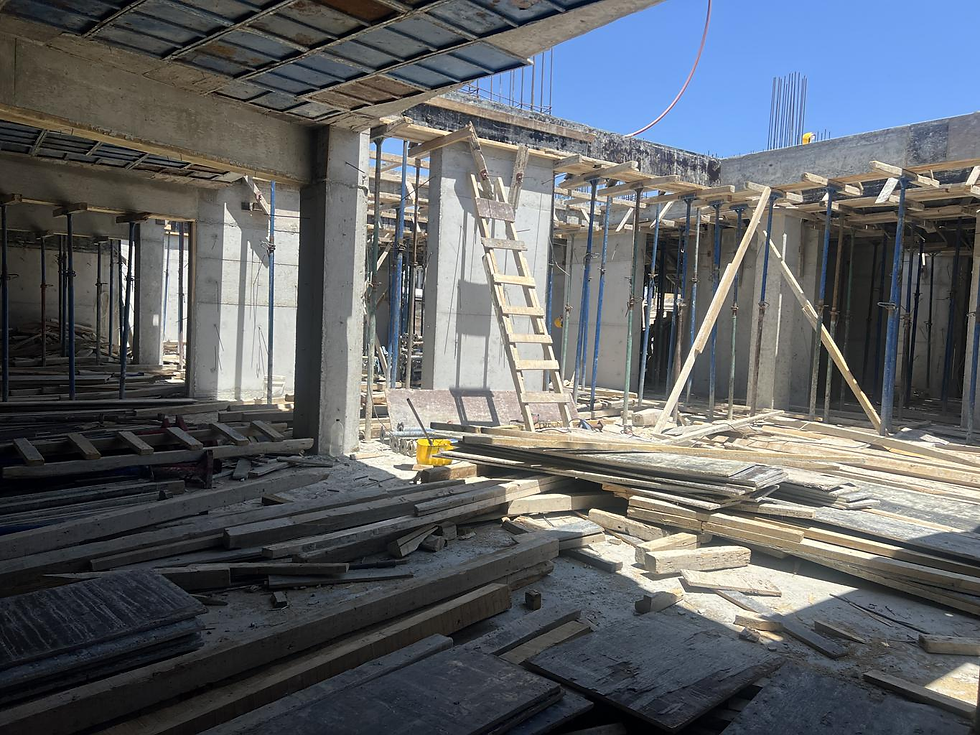
These practices improve durability and performance.
Conclusion
Concrete cover is a small but critical factor in reinforced concrete construction. Improper cover can lead to corrosion, cracking, reduced strength, and long-term structural damage.
Civil engineers must ensure that reinforcement is properly positioned and protected with adequate concrete cover. Attention to this detail during construction can significantly increase the lifespan and safety of structures.
In real construction practice, protecting reinforcement through proper concrete cover is essential for building durable and long-lasting structures.


Comments