
Why Improper Compaction of Soil Leads to Foundation Failure
- Anjali Regmi
- Mar 18
- 3 min read

In construction projects, a strong foundation is essential for the stability and durability of any structure. While much attention is given to concrete and reinforcement, one critical aspect that is often underestimated is soil compaction.
Improper compaction of soil is one of the leading causes of foundation problems in real-world construction. Even if the structure is well-designed, weak or poorly compacted soil can lead to settlement, cracks, and long-term structural damage.
For civil engineers, understanding soil compaction is essential to ensure that foundations perform as intended.
What Is Soil Compaction?
Soil compaction is the process of increasing the density of soil by reducing air voids through mechanical means such as rollers, rammers, or vibratory compactors. Proper compaction improves the load-bearing capacity of soil and reduces its compressibility.
Compacted soil provides a stable base for foundations, roads, and pavements.
Why Soil Compaction Is Often Ignored
In many construction projects, compaction is treated as a routine or minor activity. Common reasons for poor compaction include:
Lack of proper equipment
Time pressure to complete work quickly
Inadequate supervision
Untrained labor
Unlike concrete defects, compaction problems are not immediately visible, making them easy to overlook.
Settlement of Foundations
One of the most serious consequences of poor compaction is settlement. When soil is not properly compacted, it contains air voids that compress under load over time.
This leads to:
Uneven settlement of foundations
Cracks in walls and structural elements
Structural instability
Settlement problems are difficult and expensive to repair.
Reduced Soil Bearing Capacity
Properly compacted soil has higher bearing capacity, meaning it can support greater loads. Poor compaction reduces this capacity, making the foundation less stable.
Consequences include:
Overloading of soil
Excessive deformation
Risk of structural failure
Engineers must ensure that soil is compacted to the required density before construction.
Formation of Voids and Weak Zones
If soil is not compacted uniformly, it may contain weak zones or voids. These areas behave differently under load, leading to uneven support for the structure.
This can result in:
Differential settlement
Localized structural damage
Cracks in slabs and beams
Uniform compaction is essential to avoid such issues.
Impact on Pavements and Roads
Poor compaction also affects roads and pavements. Weak subgrade layers lead to surface failures over time.
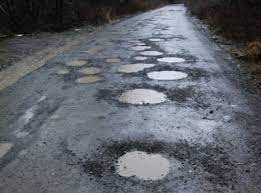
Common problems include:
Formation of potholes
Surface cracks
Uneven road surfaces
Proper compaction ensures durability of pavements.
Improper Moisture Content During Compaction
Soil compaction is most effective at an optimum moisture content (OMC). If the soil is too dry or too wet, compaction efficiency decreases.
Problems include:
Dry soil → poor binding and low density
Wet soil → reduced strength and instability
Controlling moisture content is essential during compaction.
Lack of Compaction Testing
In many projects, compaction is done without proper testing to verify results.
Common tests include:
Proctor test (for optimum moisture and density)
Field density test (sand cone or core cutter method)
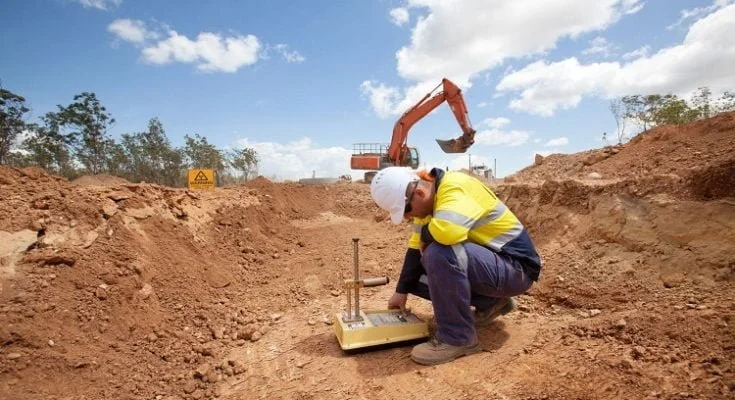
Without testing, engineers cannot confirm whether compaction meets required standards.
Role of Civil Engineers in Soil Compaction
Civil engineers must ensure that compaction is carried out properly before foundation work begins.
Their responsibilities include:
Selecting appropriate compaction equipment
Ensuring correct layer thickness during compaction
Monitoring moisture content
Conducting compaction tests
Proper supervision ensures a stable foundation base.
Real Site Scenario
In many small projects, backfilled soil around foundations is not compacted properly. Over time:
Soil settles unevenly
Plinth beams develop cracks
Floor levels become uneven
These issues often appear months after construction is completed.
Preventive Measures
To ensure proper soil compaction, engineers should:
Compact soil in layers (not in one thick layer)
Use appropriate compaction equipment
Maintain optimum moisture content
Perform regular compaction tests
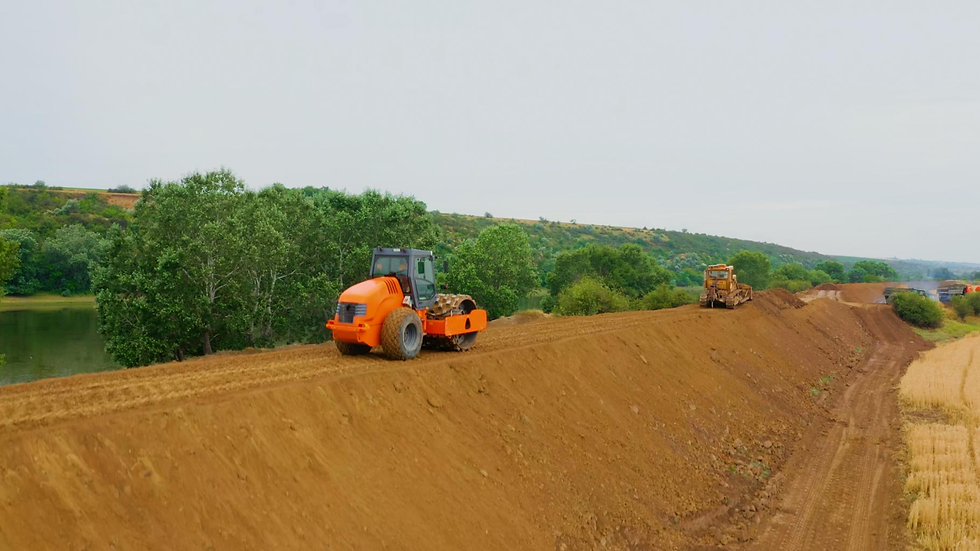
These practices improve foundation stability.
Conclusion
Soil compaction is a fundamental step in construction that directly affects the stability and performance of foundations. Poor compaction can lead to settlement, reduced bearing capacity, and long-term structural problems.
Civil engineers must treat compaction as a critical activity rather than a routine task. Proper equipment, testing, and supervision are essential to ensure that soil is compacted to required standards.
In real construction practice, a strong structure begins with properly compacted soil, making compaction one of the most important steps in foundation construction.


Comments