
Why Improper Bar Bending and Cutting Leads to Structural Weakness
- Anjali Regmi
- Mar 18
- 3 min read

In reinforced concrete construction, steel reinforcement bars (rebars) play a critical role in providing tensile strength to structural elements such as beams, columns, slabs, and footings. While much attention is given to reinforcement placement and detailing, one crucial aspect that is often overlooked on construction sites is bar bending and cutting accuracy.
Improper bar bending and cutting can lead to incorrect reinforcement geometry, weak connections, and structural inefficiencies. These errors may not be immediately visible but can significantly affect the long-term performance of a structure.
For civil engineers, ensuring proper bar bending and cutting is essential for maintaining structural integrity.
What Is Bar Bending and Cutting?
Bar bending and cutting involve shaping reinforcement bars according to design specifications before placing them in structural elements. These processes are typically carried out using Bar Bending Schedules (BBS), which provide detailed instructions for:
Length of bars
Bending angles
Hook lengths
Lap and anchorage details
Accurate execution of BBS ensures that reinforcement fits correctly within structural members.
Incorrect Bar Length Cutting
One of the most common mistakes on site is cutting reinforcement bars to incorrect lengths. This may happen due to:
Misreading the Bar Bending Schedule
Manual measurement errors
Lack of supervision
If bars are cut too short:
Proper lap length cannot be achieved
Anchorage becomes insufficient
Load transfer between bars is weakened
If bars are too long, they may create congestion and difficulty in placement.
Improper Bending Angles
Reinforcement bars are often bent at specific angles to form hooks, stirrups, or anchorage bends. Incorrect bending angles can affect how forces are transferred within the structure.
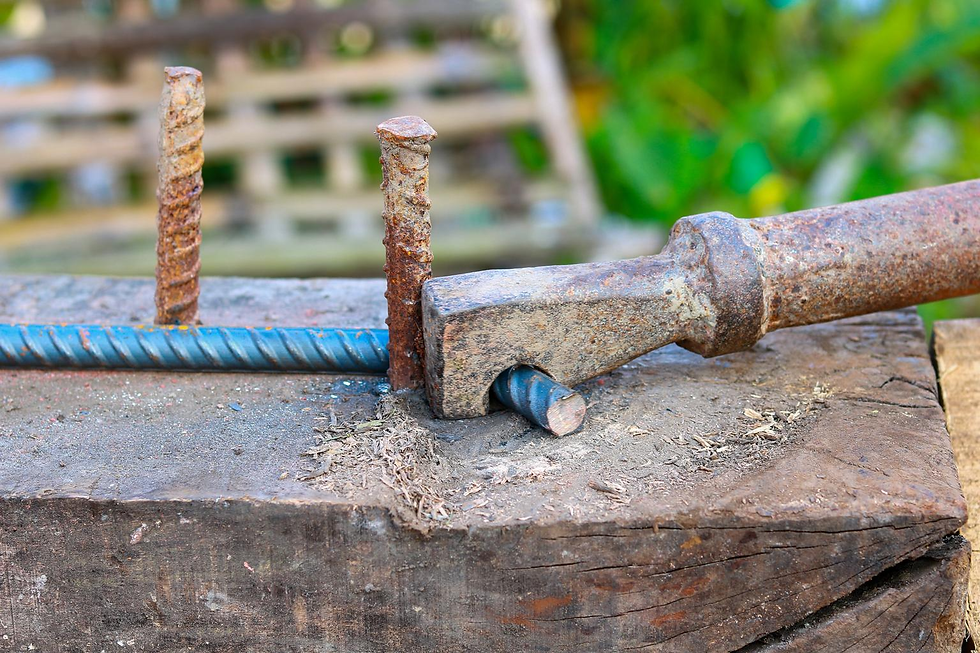
Common issues include:
Hooks not forming proper anchorage
Stirrups not fitting correctly around reinforcement cages
Bent bars not aligning with design geometry
This reduces the effectiveness of reinforcement in resisting loads.
Weak Anchorage Due to Improper Bending
Anchorage is the mechanism by which reinforcement bars transfer stress to concrete. Proper hooks and bends are essential to ensure that bars are securely anchored.
If anchorage is insufficient:
Bars may slip under load
Cracks may develop in structural elements
Structural strength may be reduced
Correct bending ensures that reinforcement remains firmly embedded within concrete.
Reinforcement Congestion Problems
Incorrect bending or cutting can lead to congestion of reinforcement bars, especially in critical areas such as beam-column junctions.
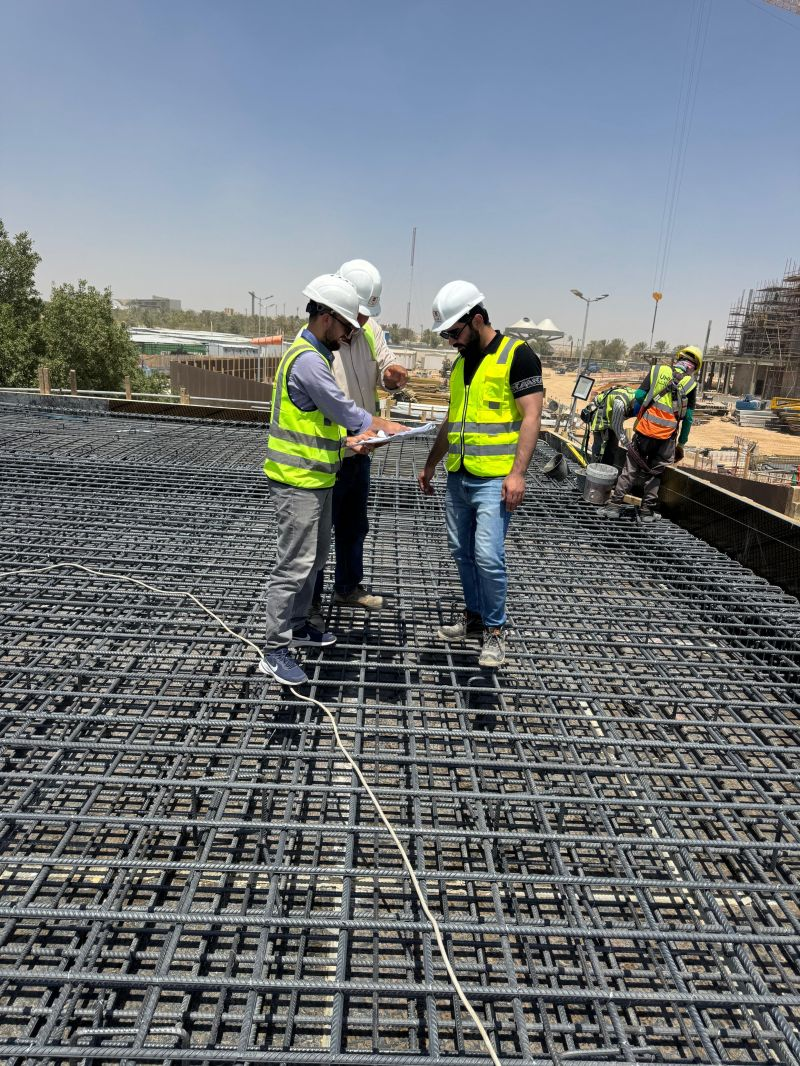
Congestion creates problems such as:
Difficulty in placing concrete
Poor compaction around reinforcement
Increased risk of honeycombing
Proper bar shaping helps maintain adequate spacing between reinforcement bars.
Increased Material Wastage
Improper cutting of reinforcement bars often leads to significant material wastage. Steel is one of the most expensive materials in construction, and wastage increases project costs.
Examples include:
Cutting bars too short and discarding them
Incorrect bending requiring rework
Excessive off-cuts that cannot be reused
Efficient bar cutting practices help reduce material waste.
Poor Coordination Between Design and Execution
Sometimes bar bending schedules prepared by design engineers may not be clearly understood by workers on site. Lack of coordination can result in incorrect bending and cutting.
To avoid this:
Engineers must explain BBS clearly to workers
Sample bars should be checked before bulk bending
Regular inspections should be conducted
Clear communication improves accuracy in reinforcement preparation.
Lack of Skilled Labor in Bar Bending
Bar bending requires skilled workers who understand reinforcement detailing and construction requirements. In many cases, untrained workers perform bending operations, leading to errors.
Proper training and supervision are necessary to ensure accurate work.
Role of Civil Engineers in Bar Bending Supervision
Site engineers must closely monitor bar bending and cutting activities to ensure compliance with design specifications.
Their responsibilities include:
Verifying bar lengths before cutting
Checking bending angles and hook details
Inspecting reinforcement cages before placement
Ensuring proper storage and handling of steel
Regular checks help prevent errors from reaching construction stages.
Long-Term Impact on Structural Performance
Improper bar bending and cutting can cause several long-term problems in structures:
Cracks in beams and columns
Weak load transfer between structural elements
Reduced structural durability

These issues may not be visible immediately but can affect the structure over time.
Conclusion
Bar bending and cutting are fundamental processes in reinforced concrete construction that directly influence structural performance. Even small errors in these processes can lead to weak reinforcement connections, material wastage, and long-term structural defects.
Civil engineers must ensure that bar bending schedules are followed accurately and that all reinforcement work is carefully inspected before placement. Proper training, supervision, and coordination between design and execution teams are essential to maintain construction quality.
In real construction practice, precision in small activities like bar bending can make a significant difference in the strength and durability of structures.


Comments