
Why Construction Projects Go Over Budget: Real Problems Civil Engineers Face
- Anjali Regmi
- Mar 17
- 3 min read

Construction projects are usually planned with detailed cost estimates before work begins. Engineers and project managers prepare budgets based on material quantities, labor costs, equipment expenses, and project timelines. Despite this careful planning, many construction projects still end up exceeding their original budgets.
Cost overruns are one of the biggest challenges in the construction industry. These overruns occur when the actual cost of completing a project becomes higher than the estimated cost. In most cases, this happens due to operational problems during construction rather than mistakes in engineering design.
Understanding the real reasons behind construction budget overruns can help civil engineers manage projects more efficiently and reduce financial risks.
Poor Project Planning
One of the most common reasons for construction budget overruns is weak project planning. If the project schedule, resource requirements, and work sequences are not carefully planned, unexpected expenses may arise during construction.
For example:
Construction activities may overlap inefficiently
Materials may be ordered at the wrong time
Labor teams may remain idle while waiting for other tasks to finish
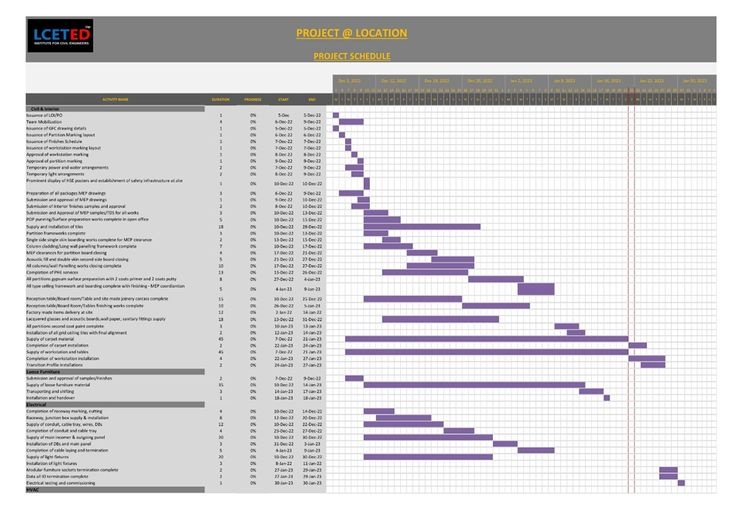
Detailed planning helps ensure that resources are used efficiently throughout the project.
Frequent Design Changes
Design changes during construction are another major cause of cost overruns. Sometimes clients request modifications after construction has already begun. These changes may involve adjusting layouts, adding new features, or upgrading materials.
Such modifications can lead to:
Demolition of previously completed work
Additional material requirements
Increased labor costs
Design changes often disrupt construction schedules and increase project expenses.
Material Price Fluctuations
Construction materials such as steel, cement, and fuel often experience price fluctuations due to market conditions. If material prices increase during the project timeline, the overall project cost may exceed the original estimate.
Large infrastructure projects that last several years are especially vulnerable to such price changes.
Poor Material Management
Improper storage or handling of construction materials can lead to wastage and financial losses.
Examples include:
Cement bags damaged by moisture
Steel reinforcement exposed to rust
Tiles or bricks broken during transportation
Efficient material storage and inventory management help reduce unnecessary expenses.
Construction Delays
Project delays are one of the most significant contributors to budget overruns. When construction takes longer than planned, additional costs accumulate for labor, equipment rental, and site operations.
Common causes of delays include:
Labor shortages
Equipment breakdowns
Weather disruptions
Delayed material deliveries

Managing construction schedules carefully helps minimize these financial impacts.
Rework Due to Construction Errors
Rework occurs when completed construction work must be corrected or repeated due to mistakes. Rework consumes additional materials, labor, and time.
Examples include:
Breaking concrete slabs to relocate pipes
Reconstructing walls due to alignment errors
Reinstalling incorrectly placed reinforcement bars
Preventing construction errors through proper supervision reduces rework costs.
Lack of Skilled Labor
The construction industry often faces shortages of skilled workers such as steel fixers, carpenters, and masons. When experienced workers are unavailable, productivity decreases and construction quality may suffer.
Lower productivity can extend project timelines and increase labor costs.
Poor Communication Between Project Teams
Construction projects involve collaboration between many professionals including engineers, architects, contractors, and suppliers. If communication between these teams is weak, misunderstandings can lead to costly mistakes.

Clear communication channels help ensure that all teams work toward the same project objectives.
Equipment and Machinery Costs
Construction equipment such as cranes, excavators, and concrete mixers often operate on rental contracts. If construction activities slow down or face delays, equipment rental costs continue to accumulate.
Efficient equipment management helps control these expenses.
Inadequate Risk Management
Construction projects always involve risks such as weather disruptions, labor disputes, and unexpected site conditions. If these risks are not identified during project planning, they may cause unexpected costs later.
Project managers must evaluate potential risks and prepare contingency plans to handle them.
Conclusion
Budget overruns are a common challenge in construction projects. Although engineering designs and cost estimates may be carefully prepared, real-world construction environments introduce many unpredictable factors.
Poor planning, design changes, material price fluctuations, construction delays, and communication failures are some of the most common causes of cost overruns. Civil engineers and project managers must therefore focus on effective planning, supervision, and coordination to maintain financial control.
By identifying potential risks early and maintaining strict project management practices, engineers can minimize budget overruns and ensure successful completion of construction projects.


Comments