
WHY CONSERVATIVE DESIGN IS A SIGN OF ENGINEERING INTELLIGENCE
- Anjali Regmi
- Feb 4
- 2 min read

INTRODUCTION
In an era that celebrates optimization and efficiency, conservative design is often misunderstood. Some view it as outdated or inefficient. In reality, conservative design reflects deep engineering intelligence and responsibility.
Civil engineering deals with uncertainty, variability, and public safety. Conservative design acknowledges these realities and incorporates margins that protect against unforeseen conditions. This blog explains why conservative design is not a weakness but a hallmark of professional engineering judgment.
WHAT CONSERVATIVE DESIGN REALLY MEANS
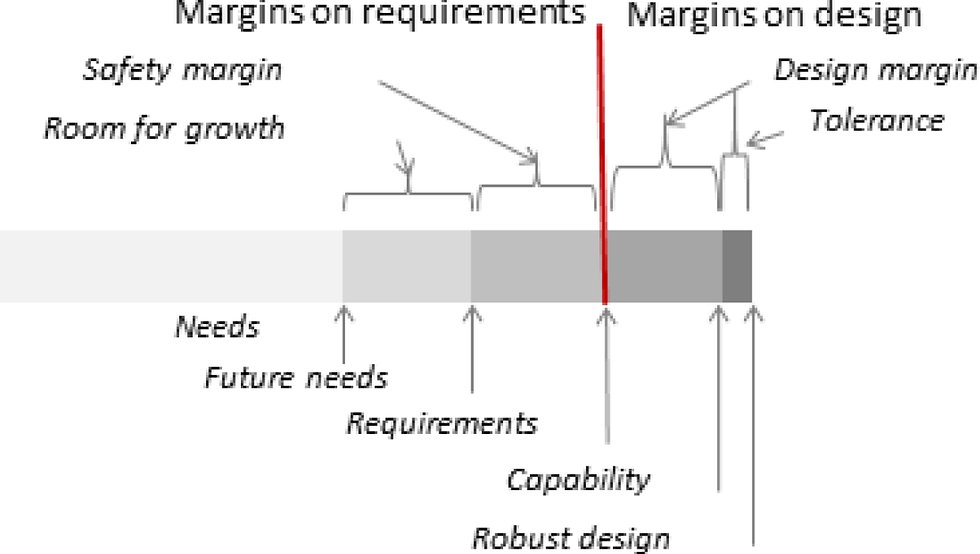
Conservative design does not mean excessive overdesign. It means using sound assumptions, safety factors, and proven practices to manage uncertainty.
It reflects awareness that calculations rely on assumptions and that real world conditions vary. Conservative design creates resilience rather than fragility.
UNCERTAINTY IS INEVITABLE IN CIVIL ENGINEERING
Materials vary. Loads change. Execution differs. Environmental conditions evolve. Conservative design absorbs these uncertainties.
Ignoring uncertainty increases failure risk. Conservative design respects reality rather than theoretical perfection.
SAFETY AND PUBLIC RESPONSIBILITY
Civil engineers design for people, not just calculations. Conservative design protects users who trust infrastructure daily.
Safety margins are ethical commitments. They reflect respect for human life and long term performance.
CONSERVATIVE DESIGN AND LONG TERM PERFORMANCE
Structures must perform for decades. Conservative design reduces fatigue, deterioration, and unexpected distress.
Engineers who design conservatively reduce maintenance burden and extend service life.

MISUNDERSTANDING CONSERVATIVE DESIGN AS INEFFICIENCY
Some confuse conservative design with waste. True conservative design balances safety and economy.
It avoids risky optimization that reduces robustness.
WHY EXPERIENCED ENGINEERS VALUE CONSERVATISM
Experience teaches that failures often occur at limits. Conservative engineers plan for extremes.
This mindset comes from responsibility, not fear.

INDIAN CONTEXT AND PRACTICAL IMPORTANCE
Indian conditions involve high variability. Conservative design improves reliability under such conditions.
Engineers who adopt it protect projects and reputations.
CONCLUSION
Conservative design reflects engineering intelligence, maturity, and ethics. It acknowledges uncertainty and prioritizes safety.
In civil engineering, the smartest designs are often the most resilient ones.


Comments