
WHY CIVIL ENGINEERS MUST THINK LIKE PLANNERS NOT JUST BUILDERS
- Anjali Regmi
- Feb 2
- 3 min read

INTRODUCTION
Civil engineering is often viewed as a profession focused on execution, supervision, and construction activities. While building structures is a core responsibility, limiting the role of civil engineers to execution alone is a narrow interpretation of the profession. In reality, the most effective civil engineers think beyond immediate construction tasks and adopt a planning oriented mindset.
Planning allows engineers to foresee challenges, manage resources efficiently, and align construction activities with long term objectives. Engineers who think like planners contribute more strategically to projects and progress faster in their careers. This blog explains why civil engineers must move beyond the builder mindset and develop planning based thinking to succeed in modern construction environments.
DIFFERENCE BETWEEN A BUILDER MINDSET AND A PLANNER MINDSET
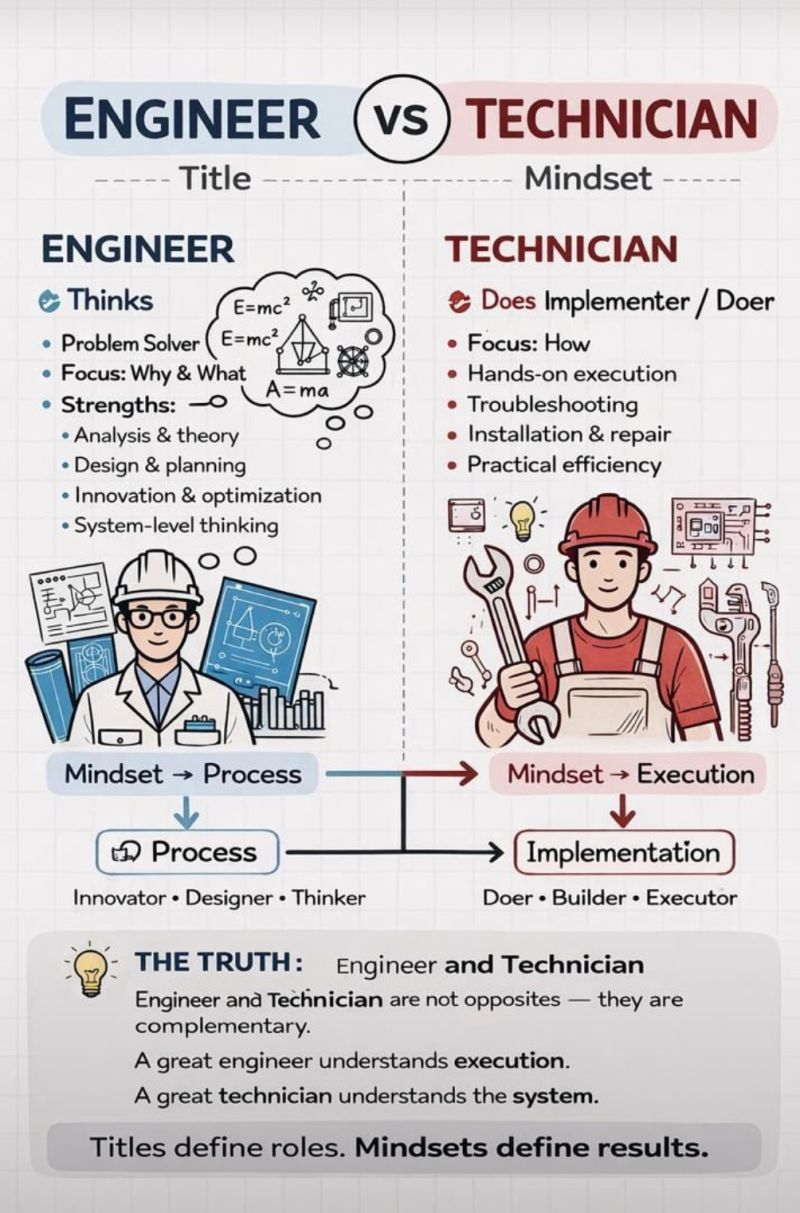
A builder mindset focuses on completing tasks assigned for the day. It prioritizes execution, manpower coordination, and immediate problem solving. While this approach is necessary on site, it is reactive in nature.
A planner mindset looks ahead. It considers sequencing of activities, availability of materials, dependency between trades, and potential risks before work begins. Engineers who think like planners anticipate issues rather than respond to them. This proactive approach reduces delays, rework, and stress on site.
WHY PLANNING THINKING IMPROVES PROJECT OUTCOMES
Projects succeed when activities flow smoothly with minimal interruption. Planning oriented engineers understand how delays in one activity affect others. They coordinate with procurement teams, subcontractors, and consultants to maintain continuity.

Planning thinking improves cost control, quality, and safety. Engineers who understand sequencing ensure that work is executed under suitable conditions. This reduces rushed decisions and compromises. Planning transforms construction from firefighting into controlled execution.
ROLE OF CIVIL ENGINEERS AS COORDINATORS
Civil engineers act as the connecting link between design, execution, and management. To perform this role effectively, they must understand the broader project plan.
Engineers who think like planners communicate more effectively with different teams. They explain priorities clearly and align daily tasks with project milestones. This coordination builds trust and improves teamwork across the project.
PLANNING MINDSET AND RISK MANAGEMENT
Construction projects involve uncertainty. Weather, supply chain disruptions, design changes, and manpower issues create risk. Engineers with a planning mindset identify these risks early.
By anticipating potential disruptions, engineers can suggest alternative sequences, buffer times, or temporary measures. Risk aware planning reduces crisis situations and protects project schedules. This ability is highly valued by project leadership.
WHY MANY ENGINEERS REMAIN ONLY BUILDERS
Many engineers remain stuck in execution roles because they focus only on immediate tasks. They complete work efficiently but do not engage with planning discussions or understand the bigger picture.
This limits growth. Engineers who do not develop planning skills often struggle to move into senior roles where strategic thinking is required. Planning ability distinguishes future leaders from routine executors.
HOW STUDENTS AND YOUNG ENGINEERS CAN DEVELOP PLANNING THINKING
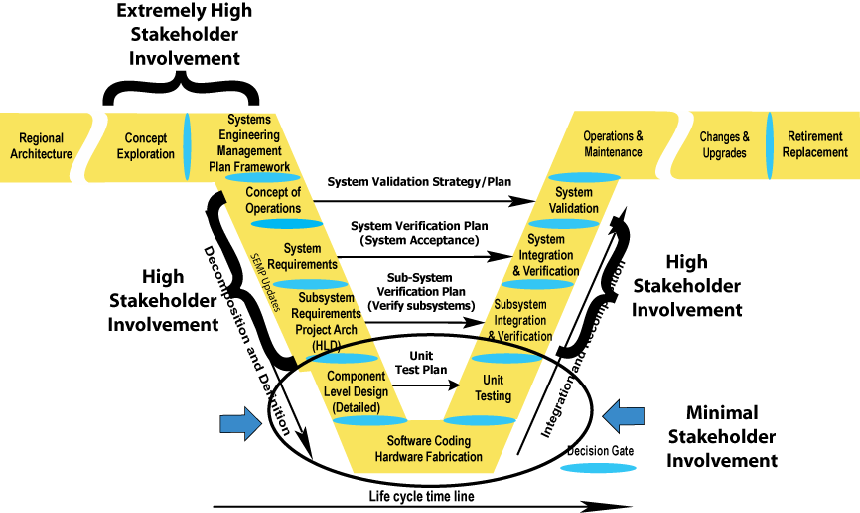
Planning skills can be developed early. Students should try to understand how projects are phased and why activities are sequenced in certain ways. During internships, observing schedules and coordination meetings provides valuable exposure.
Young engineers should ask questions about upcoming activities rather than only current tasks. Understanding why certain decisions are made builds planning awareness. Over time, this mindset becomes natural.
PLANNING THINKING IN THE INDIAN CONTEXT
In India, construction projects often face tight timelines, resource constraints, and complex approvals. Planning thinking becomes even more important under such conditions.
Engineers who can balance flexibility with foresight perform better in challenging environments. Indian engineers with strong planning skills are also well suited for global projects, where structured planning is a core expectation.
CAREER ADVANTAGE OF THINKING LIKE A PLANNER
Engineers who think like planners gain visibility and trust. They are involved in decision making and gradually move into planning, management, and leadership roles.
Planning thinking increases professional value beyond technical execution. It allows engineers to influence outcomes rather than simply follow instructions. This shift accelerates career growth.
PLANNING DOES NOT MEAN AVOIDING EXECUTION
Thinking like a planner does not mean avoiding site work. It means executing with awareness of the bigger picture. The best civil engineers combine strong execution skills with planning clarity.
This balance creates engineers who deliver results consistently and responsibly.
CONCLUSION
Civil engineering is not only about building structures. It is about planning how those structures come together safely, efficiently, and sustainably. Engineers who think like planners anticipate challenges, manage risk, and coordinate teams more effectively.
In modern construction environments, the planner mindset is no longer optional. It is essential for professional growth and project success. Civil engineers who adopt this mindset move beyond execution and become true leaders of infrastructure development.


Comments