
WHY CIVIL ENGINEERS MUST LEARN TO THINK IN SYSTEMS NOT COMPONENTS
- Anjali Regmi
- Feb 6
- 4 min read

INTRODUCTION
Civil engineering is often taught through individual subjects such as structures, geotechnical engineering, transportation, and water resources. While this approach helps students master fundamentals, it can unintentionally create a fragmented way of thinking. In real projects, components never exist in isolation. Every element interacts with others to form a system. Engineers who fail to recognize these interactions often create technically correct designs that perform poorly in reality.

Systems thinking is the ability to understand how parts connect, influence each other, and behave together over time. Civil engineers who think in systems design infrastructure that works reliably under real world conditions. This blog explains why systems thinking is essential in civil engineering and how moving beyond component based thinking defines professional maturity.
WHAT SYSTEMS THINKING MEANS IN CIVIL ENGINEERING
Systems thinking means viewing a project as a network of interdependent parts rather than isolated components. A foundation affects structural behavior. Drainage influences pavement life. Construction sequencing impacts safety and quality. No decision exists in isolation.
In civil engineering, systems include physical elements, construction processes, human behavior, environmental conditions, and maintenance practices. Engineers who understand systems anticipate how changes in one area affect others. This awareness prevents unintended consequences.
LIMITATIONS OF COMPONENT BASED THINKING
Component based thinking focuses on optimizing individual elements without considering broader impact. An engineer may design a strong beam without considering constructability. A drainage system may meet calculations but ignore maintenance access.

Such designs often appear correct on paper but struggle during execution or operation. Problems arise when components compete rather than cooperate. Component optimization without system awareness increases risk of failure.
WHY REAL PROJECTS DEMAND SYSTEMS THINKING
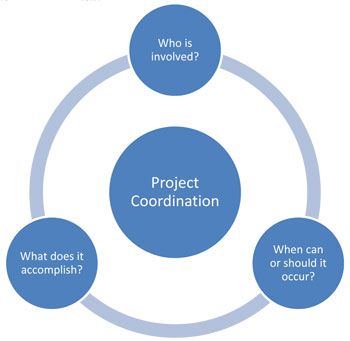
Real projects involve multiple disciplines working simultaneously. Structural, electrical, plumbing, and architectural systems interact continuously. Decisions made by one team affect others.
Systems thinking allows engineers to coordinate effectively. It helps identify conflicts early and resolve them before they reach site. Engineers who think in systems reduce rework, delays, and disputes.
SYSTEMS THINKING AND CONSTRUCTION SEQUENCING
Construction is a process, not just a final product. Temporary works, partial loading, and sequencing create conditions that differ from final design assumptions.
Systems thinking considers how structures behave at each stage. Engineers who ignore construction stages often face instability, safety incidents, or quality defects. Thinking in systems ensures that designs remain safe throughout execution.
SYSTEMS THINKING AND HUMAN FACTORS
Engineering systems include people. Workers interpret drawings, supervisors make decisions, and users interact with infrastructure daily. Human behavior affects outcomes as much as technical design.
Engineers who think in systems design details that are easy to understand and execute. Clear load paths, simple details, and logical layouts reduce error. Systems thinking aligns design with human capability.
LONG TERM PERFORMANCE AND SYSTEMS VIEW
Infrastructure exists for decades. Over time, maintenance practices, environmental exposure, and usage patterns influence performance. Systems thinking extends beyond construction to operation and maintenance.
A pavement design that ignores drainage may fail early. A building that neglects access for repairs becomes expensive to maintain. Engineers who consider lifecycle behavior deliver sustainable solutions.
INDIAN CONTEXT AND NEED FOR SYSTEMS THINKING
In India, infrastructure operates under high load, dense usage, and variable maintenance. Systems thinking is critical in such environments.
Urban flooding often results from disconnected drainage planning. Traffic congestion worsens when road design ignores pedestrian movement. Engineers who adopt systems thinking address root causes rather than isolated symptoms.
WHY EXPERIENCED ENGINEERS THINK DIFFERENTLY
Experience teaches engineers that failures rarely stem from one component. They result from interactions gone wrong. Senior engineers instinctively ask how elements affect each other.
They consider constructability, maintenance, and user behavior alongside calculations. This holistic view develops through exposure to real outcomes. Systems thinking is a hallmark of experienced professionals.
HOW STUDENTS AND YOUNG ENGINEERS CAN DEVELOP SYSTEMS THINKING
Students should connect subjects rather than treat them separately. Understanding how soil behavior affects structural design builds integration.
Young engineers should observe projects end to end. Asking how design decisions influence execution and maintenance strengthens systems awareness. Site exposure accelerates this learning.
SYSTEMS THINKING AND ENGINEERING JUDGMENT
Judgment improves when engineers see the whole picture. Systems thinking helps prioritize decisions based on overall impact rather than local optimization.
Engineers who think in systems make fewer reactive changes. They anticipate consequences and design flexibility into projects. This foresight improves reliability and trust.
WHY SYSTEMS THINKING DEFINES PROFESSIONAL MATURITY
Professional maturity in civil engineering is marked by the ability to balance competing needs across a project. Systems thinkers understand that success is collective, not individual.
They design solutions that work together rather than excel in isolation. This mindset distinguishes professionals from technicians.
CONCLUSION
Civil engineering is not the sum of individual components. It is a complex system shaped by interactions between design, construction, people, and environment. Engineers who focus only on components risk creating fragile solutions.
Systems thinking enables civil engineers to design infrastructure that performs reliably from construction through operation. It reduces failure, improves safety, and enhances sustainability. In a profession defined by long term impact, thinking in systems is not optional. It is essential


Comments