
WHY CIVIL ENGINEERS MUST LEARN TO SAY NO ON UNSAFE SITES
- Anjali Regmi
- Feb 2
- 4 min read

INTRODUCTION
Civil engineering is a profession built on responsibility toward public safety and human life. Yet, on construction sites, engineers are often placed in difficult situations where safety standards are compromised due to time pressure, cost constraints, or poor planning. In such moments, the most important skill a civil engineer can possess is the ability to say no.
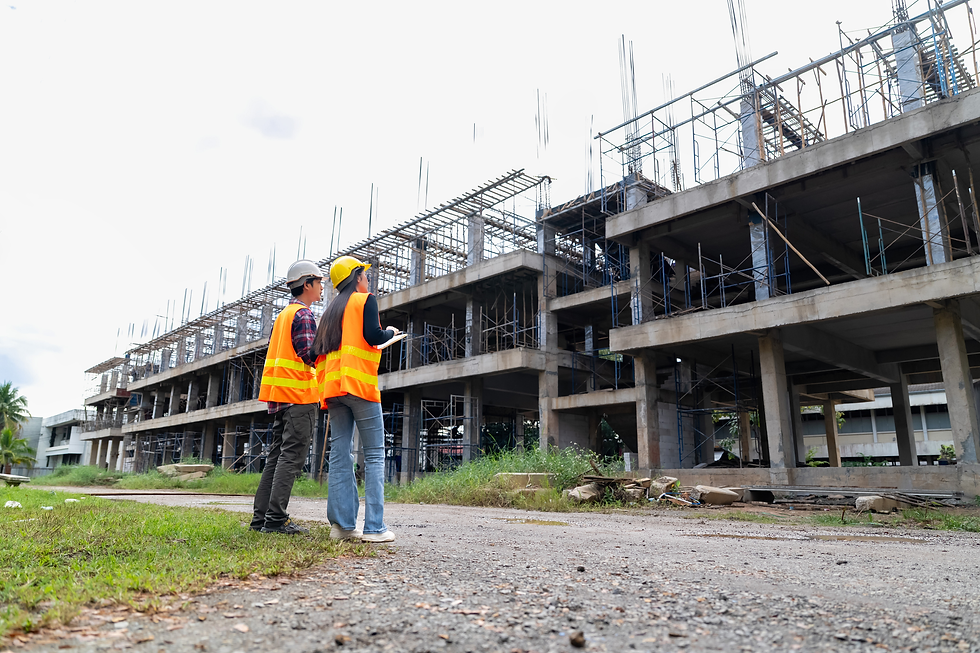
Saying no on an unsafe site is not an act of defiance. It is an act of professional integrity. Engineers who fail to speak up when conditions are unsafe risk far more than project delays. They risk lives, careers, and the credibility of the profession itself. This blog explains why civil engineers must learn to say no on unsafe sites and how this ability defines professional maturity.
REALITY OF UNSAFE CONDITIONS ON CONSTRUCTION SITES
Unsafe conditions on construction sites are more common than many students expect. These may include inadequate scaffolding, lack of protective equipment, improper excavation support, unsafe lifting practices, or working under partially completed structures.

Such conditions often arise due to rushed schedules, poor supervision, or cost cutting. Engineers on site may feel pressured to allow work to continue despite obvious risks. Understanding that unsafe conditions are a reality is the first step toward addressing them responsibly.
WHY ENGINEERS HESITATE TO SAY NO
Many young engineers hesitate to say no due to fear. Fear of losing their job, fear of displeasing seniors, or fear of being labeled uncooperative often overrides safety concerns. Some engineers assume that responsibility lies elsewhere or that accidents are unlikely.
This hesitation is dangerous. Silence in the face of unsafe practices does not remove responsibility. Engineers are still accountable for the consequences of decisions made under their supervision. Learning to overcome this fear is essential for professional survival and ethical practice.
LEGAL AND PROFESSIONAL CONSEQUENCES OF IGNORING SAFETY

When accidents occur, investigations focus on who knew about the risk and who allowed work to proceed. Engineers are often held accountable even if unsafe practices were instructed by others.
Legal action, professional suspension, and reputational damage are real consequences of ignoring safety. Saying yes to unsafe work may appear easier in the moment, but the long term impact can be devastating. Saying no protects not only workers but also the engineer’s career and conscience.
ETHICAL RESPONSIBILITY OF CIVIL ENGINEERS
Civil engineering ethics place public safety above all other considerations. Engineers are trusted by society to make decisions that protect lives. This trust demands courage.
Saying no on an unsafe site is a moral obligation, not a personal preference. Engineers who uphold safety even under pressure honor the core values of the profession. Ethical engineers understand that no deadline or cost saving justifies endangering human life.

HOW TO SAY NO PROFESSIONALLY ON SITE
Saying no does not mean confrontation or disrespect. Professional refusal involves clear communication and documentation. Engineers should identify the specific safety concern, explain the risk, and propose corrective measures.
Using objective language and referencing standards strengthens credibility. Documenting concerns in writing ensures transparency and protects the engineer. Professional communication turns refusal into responsible leadership rather than defiance.
ROLE OF ORGANIZATIONAL CULTURE
Site safety is influenced by organizational culture. Companies that encourage open communication and prioritize safety empower engineers to act responsibly. Unfortunately, not all environments are supportive.
Engineers must recognize that unsafe cultures are warning signs. Working in environments where safety concerns are consistently ignored increases risk. Engineers should align themselves with organizations that respect professional judgment and safety standards.
INDIAN CONTEXT AND SITE SAFETY CNHALLEGES
In India, construction sites often operate under intense pressure due to labor shortages, regulatory complexity, and aggressive timelines. Safety awareness is improving, but gaps remain.
Civil engineers in India play a critical role in strengthening safety culture. Engineers who speak up influence teams and set examples. Each refusal to allow unsafe work contributes to gradual improvement across the industry.
IMPACT OF SAYING NO ON CAREER GROWTH
Many engineers fear that saying no will harm career growth. In reality, responsible engineers earn long term trust. Seniors and organizations value engineers who protect projects from accidents and legal trouble.
Engineers who demonstrate safety leadership are often entrusted with greater responsibility. Professional courage becomes a career asset, not a liability.
WHAT STUDENTS AND YOUNG ENGINEERS MUST LEARN EARLY
Engineering education rarely prepares students for ethical pressure. Young engineers must understand that safety decisions will test their confidence and values.
Learning to say no early builds professional backbone. Students should observe how safety decisions are handled during internships and ask questions. Awareness prepares them for real world responsibility.
CONCLUSION
Saying no on unsafe sites is one of the most important skills a civil engineer must develop. It requires courage, clarity, and ethical commitment. Engineers who remain silent in unsafe conditions risk lives and careers.
Civil engineering is a profession of trust. Upholding safety is not optional. It is the foundation of professional integrity. Engineers who learn to say no when required protect workers, projects, and the dignity of the profession itself.


Comments