
Why Civil Engineering Is Still a High-Demand Career in 2026
- Anjali Regmi
- Jan 20
- 3 min read

In recent years, many students have begun questioning the relevance of traditional engineering branches, especially when compared to fast-growing fields like software development, data science, and artificial intelligence. Civil engineering is often wrongly perceived as outdated or slow-growing. However, this perception is far from reality.
In 2026 and beyond, civil engineering continues to remain one of the most in-demand and future-proof careers, driven by infrastructure growth, urbanization, sustainability goals, and the irreplaceable need for physical development. While technology evolves rapidly, the need for safe, efficient and resilient infrastructure will never diminish.
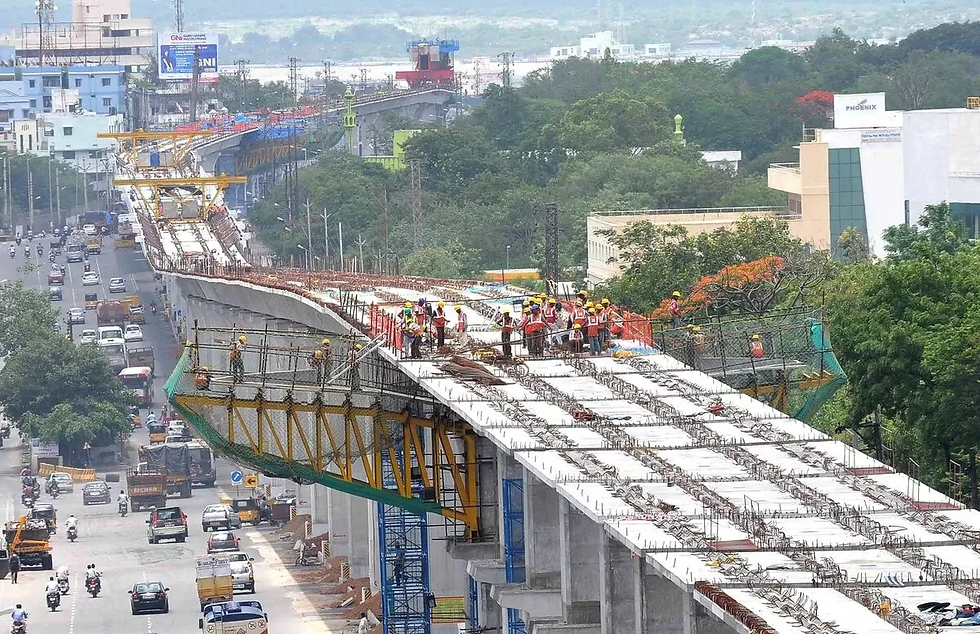
Infrastructure Development: The Backbone of Economic Growth
Every nation’s economic progress is closely tied to the strength of its infrastructure. Roads, railways, ports, airports, power plants, industrial parks and housing projects are essential for trade, mobility, and quality of life. None of these can exist without civil engineers.
Governments across the world are investing heavily in:
Expressways and highways
Metro rail and rapid transit systems
Airports and logistics hubs
Affordable housing projects
Industrial corridors and smart cities
Unlike IT services, infrastructure projects are location-specific and cannot be outsourced, ensuring sustained demand for civil engineers at local, national, and international levels.
Rapid Urbanization and Population Pressure
By 2026, a significant portion of the global population lives in urban areas. Cities are expanding rapidly, placing immense pressure on existing infrastructure. This creates a constant need for:
New residential and commercial buildings
Upgraded water supply and sewage systems
Improved traffic and transportation planning
Sustainable waste management systems
Civil engineers play a central role in managing this urban growth efficiently. Without proper planning and execution, urbanization can lead to congestion, pollution, flooding, and unsafe living conditions.
Civil Engineering Jobs Offer Long-Term Stability
One of the strongest advantages of civil engineering is career stability. Infrastructure projects are long-term by nature, often spanning several years. Once employed, civil engineers gain continuous exposure to projects, experience, and responsibility.
Unlike some industries that are highly sensitive to market trends, civil engineering careers tend to be more stable because:
Infrastructure development is a necessity, not a luxury
Governments continue spending even during slowdowns
Maintenance and rehabilitation work never stops
While entry-level salaries may be modest, civil engineering careers offer steady growth over time, with experienced professionals enjoying strong job security and authority.

Global Demand and International Opportunities
Civil engineering is a globally transferable profession. Countries in the Middle East, Southeast Asia, Africa, and parts of Europe continuously require skilled civil engineers for large-scale infrastructure projects.
Professionals with strong fundamentals, site experience, and project management skills often find opportunities in:
High-rise construction
Oil & gas infrastructure
Transportation and logistics projects
Industrial and power sector construction
International exposure not only improves earning potential but also enhances technical expertise and career growth.
Integration of Technology in Civil Engineering
Modern civil engineering is no longer limited to bricks, concrete and steel. Technology has transformed how projects are planned, executed, and monitored.
Key technological advancements include:
Building Information Modeling (BIM)
Drones for surveying and inspection
AI-based project planning and risk analysis
Digital monitoring of construction progress
Advanced construction materials and methods
Civil engineers who combine traditional engineering knowledge with modern tools are in exceptionally high demand.
Growing Importance of Sustainable and Green Construction
Climate change, environmental regulations, and sustainability goals have reshaped civil engineering priorities. Today’s engineers are expected to design infrastructure that is not only strong and cost-effective but also environmentally responsible.
High-demand areas include:
Green buildings and energy-efficient design
Sustainable water management systems
Climate-resilient infrastructure
Use of recycled and eco-friendly materials
This shift ensures that civil engineering remains future-oriented and socially relevant.
Wide Range of Career Roles Within Civil Engineering
Civil engineering offers more diversity than most students realize. Depending on skills and interests, professionals can work as:
Site Engineers
Planning Engineers
Structural Designers
Quality Control Engineers
Project Managers
Consultants
Government Engineers
This flexibility allows engineers to transition between technical, managerial, and entrepreneurial roles over time.
Why Civil Engineering Cannot Be Replaced by Automation
While automation and AI are transforming many industries, civil engineering cannot be fully automated. Construction projects require:
Human judgment and decision-making
On-site supervision and coordination
Adaptability to real-world conditions
Compliance with safety and legal standards
Technology supports civil engineers, it does not replace them. This makes the profession resilient to job displacement.
Is Civil Engineering a Smart Career Choice in 2026?
Civil engineering is an excellent choice for students who:
Prefer practical, real-world work
Want to build tangible assets
Are interested in infrastructure and urban development
Seek long-term career stability
Are willing to learn and adapt to new technologies
It may not offer instant rewards, but it offers lasting growth, respect, and professional satisfaction.

Conclusion
Civil engineering remains a high-demand, high-impact career in 2026 and beyond. As long as societies need roads, buildings, water, transportation, and sustainable development, civil engineers will remain indispensable.
For students who invest in strong fundamentals, field training and modern tools, civil engineering offers not just a job but a career that shapes the future.


Comments