
WHY CALM ENGINEERS PERFORM BETTER THAN BRILLIANT ONES ON SITE
- Anjali Regmi
- Feb 6
- 3 min read

INTRODUCTION
Civil engineering sites are environments of constant movement, pressure, and uncertainty. Decisions are made in real time while work continues around them. In such conditions, technical brilliance alone does not guarantee good outcomes. In fact, many experienced professionals agree that calm engineers consistently outperform brilliant but reactive ones on site.
Calmness allows engineers to think clearly, communicate effectively, and make balanced decisions under stress. Brilliance without composure often leads to rushed judgments and conflict. This blog explains why calm engineers perform better on site, how calmness influences engineering outcomes, and why this trait is essential for professional maturity.

THE REALITY OF SITE CONDITIONS
Construction sites are unpredictable. Weather changes, material delays, workforce issues, and design clarifications occur simultaneously. Engineers must process information quickly while coordinating multiple teams.
In such environments, overthinking or reacting emotionally reduces effectiveness. Calm engineers absorb information without panic. They assess situations objectively and prioritize actions logically. This steadiness stabilizes the site and reassures teams.
WHY BRILLIANCE ALONE CAN BECOME A LIABILITY
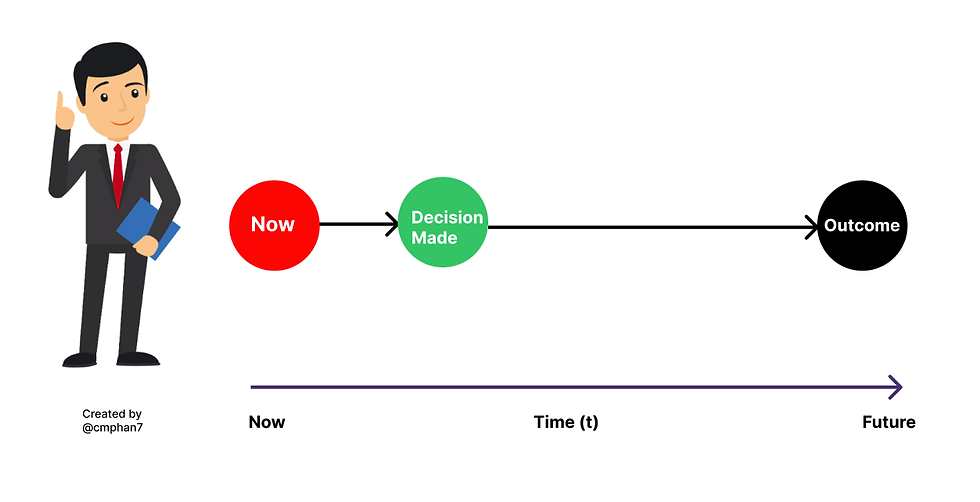
Highly intelligent engineers often rely on quick mental processing and confidence in their knowledge. On site, this can translate into rapid decisions without sufficient verification. Under pressure, brilliance may turn into overconfidence.
Reactive decisions amplify risk. When something goes wrong, brilliant but impatient engineers may push harder rather than pause. Calm engineers, in contrast, slow the moment down. They recognize that a brief pause prevents long term damage.
CALMNESS AND DECISION QUALITY
Decision quality improves when engineers remain calm. Calmness allows engineers to separate facts from noise. They listen fully before responding. They identify root causes rather than reacting to symptoms.
Calm engineers also know when not to decide immediately. They seek clarification, consult seniors, or request additional checks. This patience reduces errors and rework.
COMMUNICATION IMPROVES WITH CALMNESS
Communication on site often happens during stress. Raised voices and hurried instructions increase confusion. Calm engineers communicate clearly and concisely.
Their tone sets the emotional temperature of the site.
Teams respond better to calm leadership. Workers are more likely to ask questions and report issues. Contractors respect engineers who remain composed under pressure. Calmness builds authority without aggression.
CALM ENGINEERS MANAGE CONFLICT BETTER
Conflicts are common on construction sites. Disagreements over scope, quality, or timelines can escalate quickly. Brilliant but reactive engineers may argue facts aggressively. Calm engineers focus on resolution.
By staying composed, calm engineers prevent conflicts from becoming personal. They frame discussions around solutions rather than blame. This approach preserves working relationships and keeps projects moving.
CALMNESS AND SAFETY ON SITE
Safety decisions require clarity. Panic and haste increase accident risk. Calm engineers notice unsafe conditions and stop work without hesitation or drama.
They create environments where safety concerns can be raised without fear. This culture reduces incidents. Calmness is not passive. It is controlled awareness applied to safety critical situations.
INDIAN CONTEXT AND THE VALUE OF CALMNESS
In India, construction sites often operate under intense time pressure and resource constraints. Multiple languages, varying skill levels, and informal coordination add complexity.
Calm engineers perform better in such environments because they adapt rather than
react. They earn respect across teams by remaining steady. Calm leadership becomes a powerful tool in managing diversity and pressure.
CALMNESS IS A LEARNED SKILL NOT A PERSONALITY TRAIT
Many assume calmness is innate. In reality, it is developed through experience and self control. Engineers learn to regulate responses by reflecting on past mistakes and observing seniors.
Preparation also contributes to calmness. Engineers who understand systems deeply feel less threatened by uncertainty. Confidence rooted in preparation enables calm behavior.
WHY CALM ENGINEERS GROW INTO LEADERS
Leadership on site is less about giving orders and more about guiding decisions. Calm engineers naturally move into leadership roles because teams trust their judgment.
Clients and management rely on engineers who do not escalate problems unnecessarily. Calm engineers become stabilizing forces on long term projects. This trust accelerates career growth.
WHAT STUDENTS AND YOUNG ENGINEERS SHOULD PRACTICE
Young engineers should focus on developing emotional control alongside technical skills. Pausing before responding, listening actively, and avoiding defensive reactions are practical habits.
Exposure to site realities builds resilience. Over time, engineers learn that most problems are manageable if approached calmly.
CALMNESS DOES NOT MEAN LACK OF ASSERTIVENESS
Calm engineers are not passive. They take firm decisions when required. The difference lies in delivery. Calm assertiveness commands respect without creating fear.
Engineers who combine firmness with composure create balanced leadership styles.
CONCLUSION
On construction sites, calm engineers consistently outperform brilliant but reactive ones. Calmness improves decision quality, communication, safety, and leadership effectiveness. It transforms pressure into manageable challenge.
Civil engineering demands not only intelligence but emotional control. Engineers who cultivate calmness build safer projects, stronger teams, and more sustainable careers. In the long run, calm judgment matters more than quick brilliance.


Comments