
What Civil Engineering Interns Should Observe on Site but Usually Ignore
- Anjali Regmi
- Feb 12
- 3 min read

Introduction
For many civil engineering students, internships are the first real exposure to construction sites. However, most interns treat site training as a passive experience standing near engineers, watching work from a distance, and waiting for instructions. By the end of the internship, they often feel they “did not learn much.” The problem is not the site; it is what they fail to observe. Construction sites offer immense technical learning opportunities, but only for those who know where to look. This article explains what civil engineering interns should actively observe on site but usually ignore.

Understanding Work Sequence Instead of Just Watching Work
Most interns watch isolated activities reinforcement tying, concreting, brickwork without understanding the sequence behind them. Real learning happens when interns ask: What happened before this? What will happen next?
For example, before slab concreting, reinforcement inspection and shuttering alignment take place. After concreting, curing and quality checks follow. Observing the full sequence of activities builds execution logic. Without understanding sequencing, construction appears random rather than systematic.
How Engineers Check Work Before Approval
Interns often focus on labor activities but ignore what engineers are checking. Before concreting, engineers verify bar spacing, cover blocks, lap lengths, shuttering alignment, and cleanliness. Observing these checks teaches quality control far more effectively than classroom lectures.
Understanding why engineers reject certain work is equally important. These corrections reveal practical quality standards and site expectations.
Communication Between Engineers and Contractors
Construction is not just technical it is coordination-driven. Interns should observe how site engineers communicate with contractors, supervisors, and labor teams. Notice how instructions are given clearly, how conflicts are resolved, and how responsibilities are assigned.
Effective communication is a core engineering skill rarely taught in college. Observing professional communication styles prepares interns for leadership roles later.
Real Problem-Solving on Site
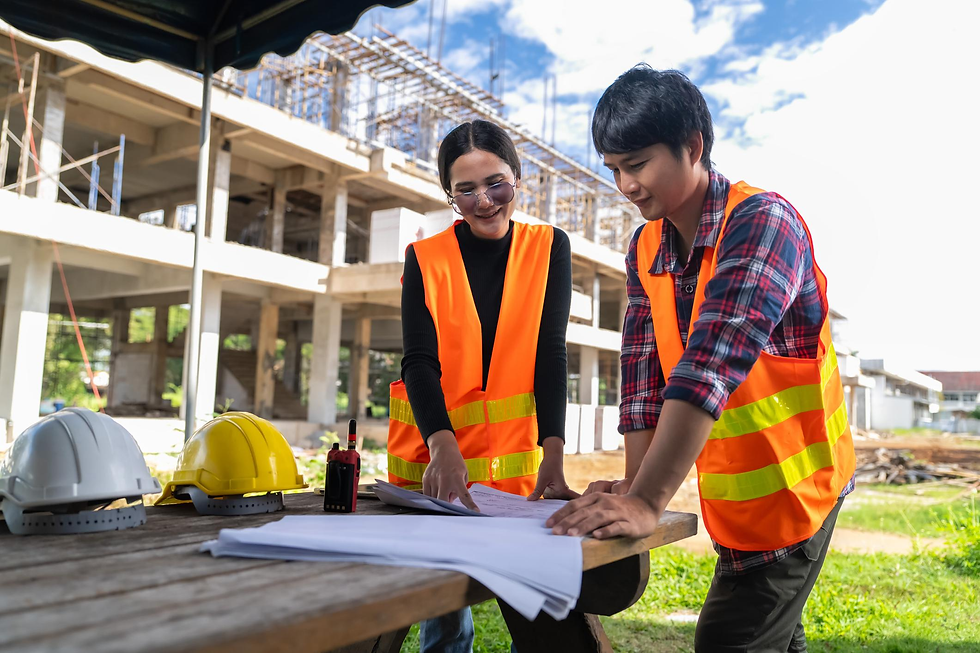
Sites face daily challenges material shortages, drawing discrepancies, weather interruptions, and labor issues. Interns usually ignore these moments, assuming they are management problems. In reality, these situations are powerful learning opportunities.
Watching how senior engineers analyze a drawing error, adjust layout, or reschedule work teaches practical engineering decision-making. These real-time solutions are more valuable than textbook case studies.
Material Handling and Storage Practices
Interns often walk past stacked materials without observing how they are stored. Notice how cement is covered, how steel is segregated, and how aggregates are protected from contamination. Material handling affects quality and durability.
Understanding why improper storage leads to strength loss or corrosion builds practical material knowledge that theory alone cannot provide.
Measurement and Layout Verification
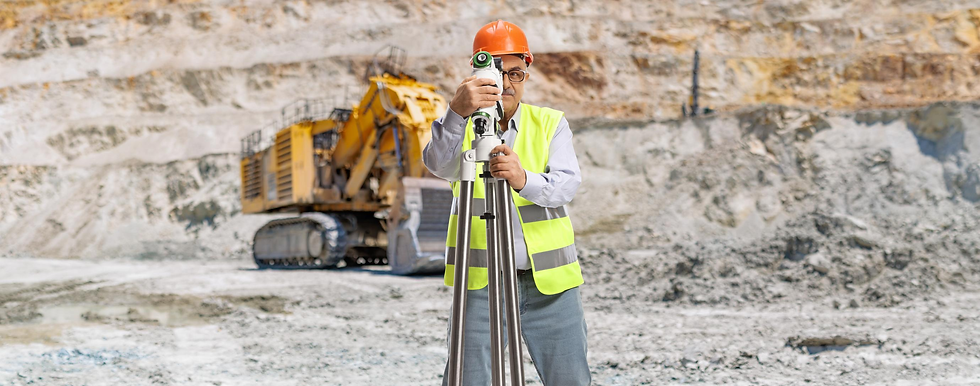
Surveying and measurement tasks are frequently assigned to junior engineers. Interns should observe how benchmarks are transferred, how grids are marked, and how levels are verified. Watching measurement errors being corrected demonstrates the importance of precision.
Ignoring layout processes means missing one of the most critical aspects of construction control.
Safety Practices and Risk Awareness
Interns often focus only on technical work and overlook safety systems. Observe how safety briefings are conducted, how hazards are identified, and how protective equipment is enforced. Notice what happens when safety rules are ignored.
Understanding safety culture prepares interns to act responsibly in their future roles.
Documentation and Reporting Systems
Construction sites generate daily reports, checklists, inspection records, and material test results. Interns rarely pay attention to documentation. However, documentation protects projects legally and technically.
Observing how engineers maintain records, update drawings, and track progress teaches accountability and professionalism.
Time Management and Work Planning
Interns usually see daily activities but not weekly or monthly planning. Observing site schedules, activity sequencing, and coordination meetings reveals how projects stay on track. Understanding planning logic prepares students for project management roles later.
Ignoring planning discussions limits learning to labor-level observation rather than engineering-level understanding.
Professional Behavior and Leadership
Internships also provide lessons in professional conduct. Notice how engineers remain calm under pressure, handle conflicts, and maintain discipline. Leadership is often visible in behavior rather than instructions.
Students who observe and adopt professional habits grow faster than those who focus only on technical details.
Why Most Interns Fail to Learn Effectively
Many interns hesitate to ask questions, rely on casual observation, or treat internships as attendance requirements. Without active observation and note-taking, site exposure becomes superficial. Real learning requires curiosity, patience, and attention to detail.
Internships reward proactive students who observe beyond what is shown to them.
Conclusion
A construction site is a live engineering classroom, but only for those who observe intelligently. Civil engineering interns should look beyond visible labor work and focus on sequencing, quality checks, communication, problem-solving, measurement, safety, and documentation. The difference between an average intern and a highly prepared fresher lies in observation depth. Internships are not about being present they are about learning what others overlook.


Comments