
Waterproofing Failures in Buildings: Why Leakage Problems Occur in Civil Engineering Projects
- Anjali Regmi
- Mar 6
- 3 min read

Waterproofing is one of the most critical yet frequently neglected aspects of construction. While structural strength is often prioritized during building construction, inadequate attention to waterproofing can lead to long-term problems such as water leakage, dampness, mold growth, and structural deterioration.
In real construction projects, waterproofing failures are one of the most common complaints from building owners after project completion. These problems not only affect the durability of structures but also damage finishes, reduce property value, and increase maintenance costs.
Why Waterproofing is Essential in Construction
Water is one of the most destructive elements for buildings. Continuous exposure to moisture can penetrate concrete, corrode reinforcement, weaken plaster, and damage finishing materials.
Proper waterproofing protects critical areas such as:
Roof slabs
Basements
Bathrooms and wet areas
Water tanks
External walls
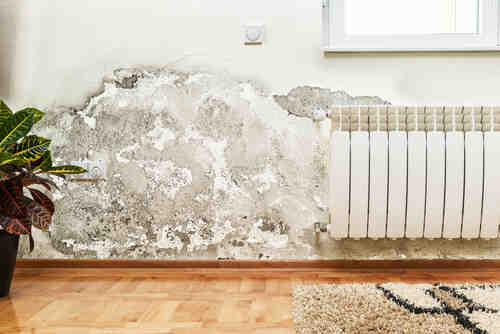
Common Waterproofing Failures on Construction Sites
Poor Surface Preparation
Waterproofing materials require a clean and properly prepared surface. Dust, loose particles, or uneven concrete surfaces reduce bonding effectiveness.
Improper Application of Waterproofing Materials
Incorrect thickness, uneven coating, or skipping critical areas leads to leakage points.
Lack of Proper Slope on Roofs and Wet Areas
Without proper slope, water accumulates on surfaces, increasing seepage risk.
Real Site Causes of Leakage Problems
Cracks in concrete slabs
Inadequate curing before waterproofing application
Poor quality waterproofing materials
Mechanical damage to membranes during construction
Improper joint sealing
Roof Waterproofing Failures
Flat roofs are highly vulnerable to water leakage if waterproofing layers are not applied correctly. Accumulated rainwater increases pressure on weak points in the waterproofing system.
Common issues include:
Improper drainage systems
Cracked waterproofing membranes
Poor sealing around pipes and joints
Basement Waterproofing Challenges
Basements face constant pressure from groundwater. If waterproofing is not properly executed, water infiltration can cause dampness and structural deterioration.
Common basement issues include:
Water seepage through foundation walls
Cracks in retaining walls
Inadequate drainage systems

Waterproofing in Bathrooms and Wet Areas
Bathrooms are frequent sources of leakage due to constant water exposure. Poor waterproofing beneath tiles allows water to seep into concrete slabs and walls.
Typical problems include:
Water leakage to lower floors
Damp patches on ceilings
Mold growth in walls
Proper waterproofing must be applied before tile installation.
Structural Risks Caused by Water Leakage
Continuous water exposure can cause:
Reinforcement corrosion
Concrete deterioration
Plaster damage
Paint peeling
Mold and fungal growth
These issues compromise both structural durability and indoor living conditions.
Role of Civil Engineers in Waterproofing Quality
Site engineers must ensure:
Proper surface preparation before waterproofing
Correct application thickness of membranes
Inspection of joints and corners
Water ponding tests before finishing works
Active supervision significantly reduces leakage risks.
Types of Waterproofing Systems Used in Construction
Common waterproofing materials include:
Bituminous membranes
Cementitious waterproofing coatings
Liquid waterproofing membranes
Polyurethane coatings
PVC or HDPE sheet membranes
Selection depends on the structure type and exposure conditions.
Importance of Water Ponding Tests
Before completing roof or bathroom finishes, engineers perform water ponding tests to check waterproofing performance. The area is filled with water and monitored for leakage.
This test helps identify weak points before construction is finalized.
Preventive Measures for Effective Waterproofing
Use high-quality waterproofing materials
Ensure proper surface cleaning and preparation
Maintain correct slope for drainage
Seal all joints and pipe penetrations carefully
Conduct water testing before finishing works
Proper planning and supervision are essential for long-term waterproofing performance.
Financial Impact of Waterproofing Failures
Leakage problems often lead to:
Costly repair works
Replacement of finishes and tiles
Tenant complaints and disputes
Reduced building value
Preventive waterproofing is far more economical than repair after construction.
Conclusion: Waterproofing Determines Building Durability
Waterproofing failures are among the most common problems in civil engineering projects. Most leakage issues arise from poor workmanship, lack of supervision, improper material application, and inadequate planning rather than design flaws.
Civil engineers who prioritize waterproofing quality, conduct proper inspections, and ensure correct material application significantly improve building durability and user satisfaction. In real construction practice, effective waterproofing reflects professional discipline, technical awareness, and commitment to delivering long-lasting structures.


Comments