
Waterproofing Failures in Basements and Roof Slabs: Real Causes and Engineering Fixes
- Anjali Regmi
- Feb 8
- 4 min read

Introduction
Waterproofing failure is one of the most frequent and expensive defects in civil engineering projects. Unlike structural failures, waterproofing issues may not cause immediate collapse, but they slowly destroy a building’s durability, usability, and value. Basements and roof slabs are especially vulnerable because they are constantly exposed to water pressure, weather cycles, and construction imperfections. In real projects, most waterproofing failures occur not because of wrong materials, but because of poor detailing, execution errors, and lack of engineering coordination.

Why Waterproofing Is Critical in Basements and Roof Slabs
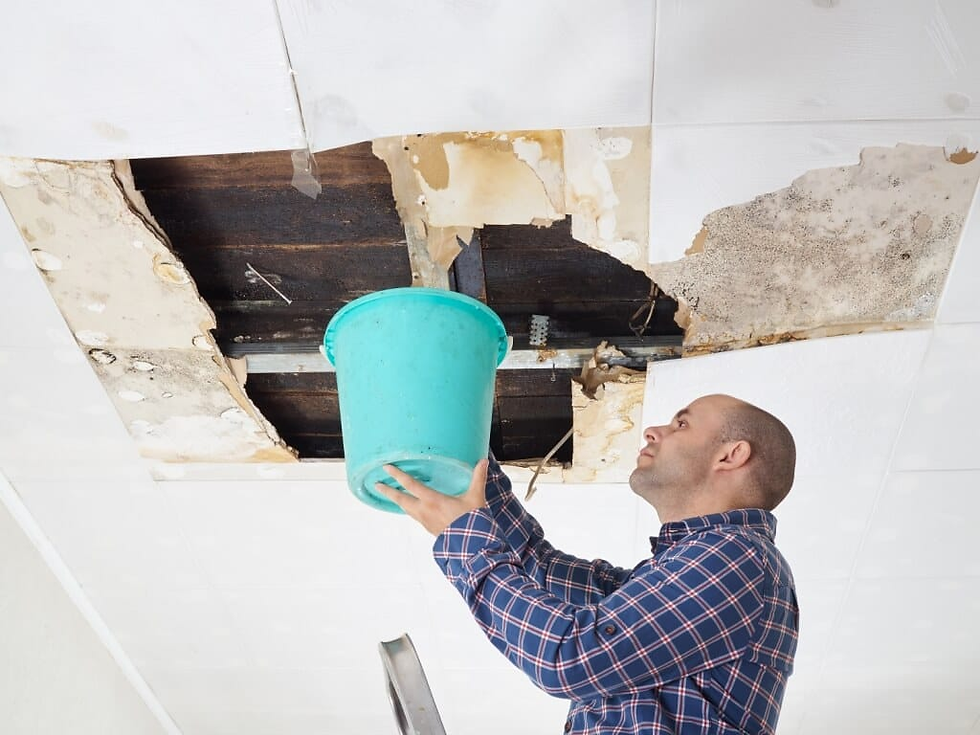
Basements are subjected to hydrostatic pressure from surrounding soil and groundwater, while roof slabs face direct exposure to rain, heat, and thermal movement. Waterproofing systems in these areas must resist water ingress while accommodating structural movement. When waterproofing fails, water penetrates concrete, corrodes reinforcement, damages finishes, and creates long-term maintenance issues. Unlike visible structural defects, waterproofing failures often remain hidden until damage becomes extensive.
Common Waterproofing Failures in Basements
Incorrect Assessment of Groundwater Conditions
One of the biggest mistakes in basement waterproofing is underestimating groundwater pressure. Soil investigation reports may not reflect seasonal groundwater variations. As a result, waterproofing systems are designed for mild conditions but fail when water levels rise. Negative-side pressure causes seepage through construction joints, cracks, and pores in concrete.
Poor Treatment of Construction and Expansion Joints
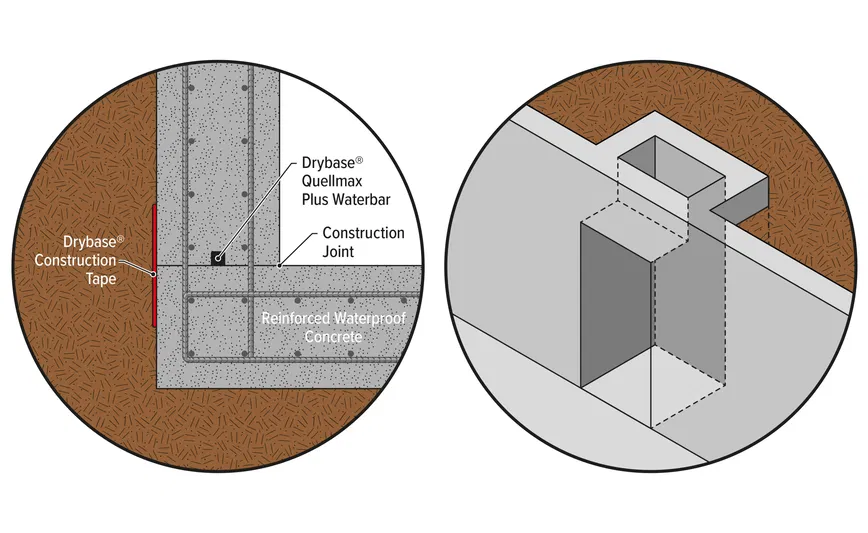
Basement leakage frequently originates at construction joints. In many projects, water bars are missing, improperly positioned, or damaged during concreting. Expansion joints are often treated as architectural elements rather than critical waterproofing zones. Once water finds a joint path, leakage becomes continuous and difficult to stop.
Honeycombing and Porous Concrete
Waterproofing membranes cannot compensate for poor concrete quality. Honeycombing, voids, and inadequate compaction create direct pathways for water ingress. Applying waterproof coatings over defective concrete only masks the problem temporarily. Water eventually bypasses the membrane through internal defects.
Common Waterproofing Failures in Roof Slabs
Improper Slope and Drainage Design
One of the most overlooked causes of roof leakage is incorrect slope. Even the best waterproofing system fails when water stagnates. Flat or uneven roof slopes lead to ponding, which increases water penetration risk and accelerates membrane deterioration. Blocked or poorly placed rainwater outlets worsen the situation.
Poor Detailing at Parapets, Pipe Penetrations, and Upstands
Most roof slab leakages originate not from the slab surface but from detailing zones. Inadequate flashing at parapets, poor sealing around pipes, and improper treatment of upstands allow water to bypass membranes. These detailing failures are execution-related rather than material-related.
Thermal Movement and Cracking
Roof slabs undergo repeated expansion and contraction due to temperature changes. If waterproofing systems lack flexibility or movement joints are ignored, cracks develop in the membrane. Rigid waterproofing layers fail prematurely when subjected to thermal stress.
Material Selection Errors in Waterproofing Systems
Selecting waterproofing materials without understanding site conditions is a common engineering mistake. Bituminous membranes, cementitious coatings, polyurethane systems, and crystalline waterproofing each have limitations. Using the same system for basements and roofs without considering pressure conditions, exposure, and movement leads to failure. Waterproofing is not a one-material-fits-all solution.
Execution-Level Mistakes That Cause Waterproofing Failure
Waterproofing work is often treated as a finishing activity rather than an engineering process. Lack of surface preparation, incorrect mixing ratios, inadequate curing, and application under unsuitable weather conditions reduce system effectiveness. Untrained labor applying complex waterproofing systems further increases failure risk.
Lack of Coordination Between Structural and Waterproofing Design
Structural detailing directly affects waterproofing performance. Sharp corners, unsealed construction joints, improper reinforcement cover, and uncontrolled cracking compromise waterproofing systems. When waterproofing consultants are involved late or ignored during structural design, systems fail due to incompatibility with actual site conditions.
How Engineers Diagnose Waterproofing Failures
Engineers diagnose waterproofing failures through visual inspection, moisture mapping, water ponding tests, and pressure testing. Identifying the exact leakage source is critical, as water often travels far from the entry point. Treating visible damp patches without tracing the root cause leads to repeated failures.
Engineering Solutions to Prevent Waterproofing Failure
Effective waterproofing begins at the design stage. Accurate groundwater assessment, proper joint detailing, slope planning, and compatible material selection are essential. Quality concrete, proper curing, and strict inspection during waterproofing application significantly improve performance. For basements, combining external waterproofing with drainage layers and protection boards reduces pressure on membranes. For roofs, ensuring slope correction, flexible membranes, and proper detailing extends service life.
Role of Civil Engineers in Waterproofing Success
Civil engineers must treat waterproofing as a structural durability issue, not a cosmetic concern. Site engineers should inspect substrate quality, verify detailing, and ensure that waterproofing work follows manufacturer guidelines. Ignoring early seepage signs often leads to extensive damage and disputes later.
Conclusion
Waterproofing failures in basements and roof slabs are rarely due to material defects alone. They are the result of poor assessment, weak detailing, execution shortcuts, and lack of engineering ownership. Waterproofing systems succeed when design intent, material selection, and site execution work together. For civil engineers, mastering waterproofing principles is essential to delivering durable, serviceable, and complaint-free buildings.


Comments