
Understanding Soil Mechanics and Foundation Engineering from Classroom to Construction Site
- Anjali Regmi
- Mar 22
- 4 min read

Introduction to Soil Mechanics and Foundation Engineering
Soil mechanics and foundation engineering form the base of every civil engineering structure. Before any building, bridge, or road is constructed, engineers must understand the behavior of soil beneath it.
For students, this subject often feels theoretical with equations and lab tests. However, in real construction, it directly determines whether a structure will stand safely or develop cracks and failures over time.
A strong foundation is not just about concrete. It begins with understanding soil.

Basic Properties of Soil
Soil is not a uniform material. It varies in composition, texture, and strength. Basic properties include grain size, moisture content, density, and permeability.
In textbooks, soil is classified into types such as clay, sand, silt, and gravel. Each type behaves differently under load.
On site, engineers must identify soil type through visual inspection and testing. This helps in deciding the design and type of foundation.
Soil Classification and Its Importance
Soil classification is essential for understanding its engineering properties. Systems like the Unified Soil Classification System are used to categorize soil based on particle size and plasticity.
This classification helps engineers predict how soil will behave under loading conditions.
For example, clay soils tend to retain water and undergo significant settlement, while sandy soils offer better drainage but lower cohesion.
Bearing Capacity of Soil
Bearing capacity refers to the ability of soil to support loads without failure. It is one of the most critical factors in foundation design.
In theory, bearing capacity is calculated using formulas that consider soil properties and foundation dimensions.
On site, engineers rely on soil tests and field data to estimate safe bearing capacity. If the load exceeds this capacity, the structure may settle unevenly or fail.
Shear Strength and Stability of Soil
Shear strength determines the resistance of soil against sliding or failure. It depends on cohesion and internal friction.
In practical situations, shear strength is important for designing slopes, retaining walls, and foundations.
Low shear strength can lead to landslides or foundation instability, making it essential to assess before construction.
Settlement of Foundations
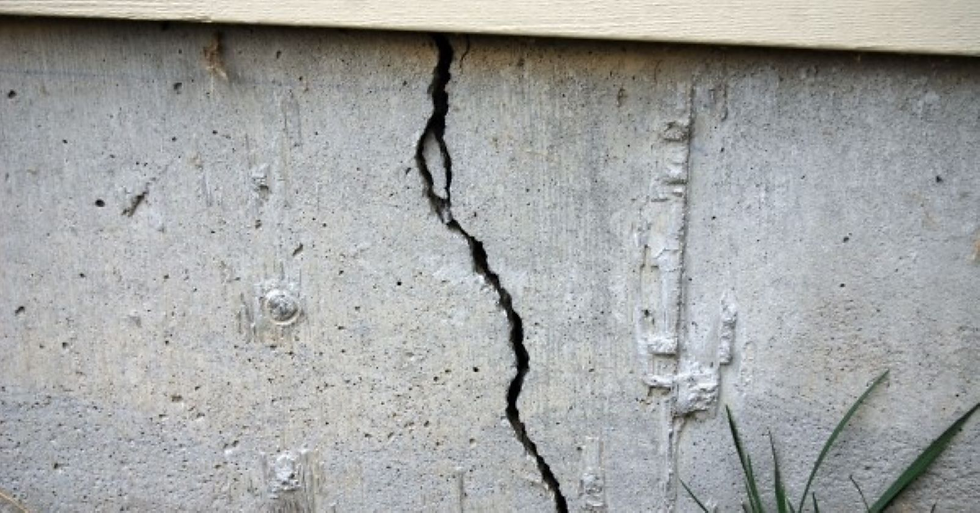
Settlement refers to the downward movement of a structure due to soil compression.
There are different types of settlement including immediate settlement and consolidation settlement.
On site, uneven settlement is a major concern as it leads to cracks and structural damage. Proper soil analysis and foundation design help minimize this risk.
Types of Foundations

Foundations are broadly classified into shallow and deep foundations.
Shallow foundations such as isolated footings and raft foundations are used when soil near the surface has adequate strength.
Deep foundations like pile foundations are used when surface soil is weak and loads need to be transferred to deeper layers.
Choosing the right foundation type is a critical decision based on soil conditions and structural requirements.
Soil Testing in Laboratory and Field
Soil testing is essential for determining its properties and suitability for construction.
In laboratories, tests such as sieve analysis, Atterberg limits, and compaction tests are conducted.
On site, tests like Standard Penetration Test and plate load test provide real time data.
These tests help engineers make informed decisions about foundation design and construction methods.
Excavation and Foundation Preparation
Excavation is the first step in foundation construction. It involves removing soil to the required depth.
Proper excavation ensures that the foundation rests on stable ground.
On site, engineers must check soil conditions, maintain correct dimensions, and ensure safety during excavation.
Poor excavation practices can lead to collapse or weak foundations.
Ground Improvement Techniques
In many cases, natural soil conditions are not suitable for construction. Ground improvement techniques are used to enhance soil properties.
Methods include compaction, soil stabilization, and use of geotextiles.
These techniques increase bearing capacity and reduce settlement, making construction possible on weak soils.
Challenges in Foundation Engineering on Site
Real world conditions often differ from theoretical assumptions. Soil may vary across the site, water table levels may change, and unexpected conditions may arise.
For example, encountering soft soil layers during excavation can delay construction and require redesign.
Engineers must adapt quickly and make decisions based on both technical knowledge and practical experience.
Integration of Theory and Field Practice
Soil mechanics is a perfect example of how theory and practice must work together.
Concepts like bearing capacity and settlement are learned in classrooms. On site, these concepts guide decisions during excavation, foundation design, and construction.
Engineers who understand both aspects can handle challenges effectively and ensure safe construction.
Skills Required for Geotechnical Understanding
To work effectively in this domain, engineers need strong analytical skills and practical awareness.
They must interpret soil test results, understand field conditions, and make design decisions accordingly.
Attention to detail is critical, as small mistakes in soil assessment can lead to major structural problems.
Conclusion
Soil mechanics and foundation engineering form the base of all civil engineering projects.
For students and freshers, mastering these concepts is essential for understanding how structures interact with the ground.
By combining theoretical knowledge with field experience, engineers can design safe and stable foundations that ensure long term performance of structures.


Comments