
UNDERSTANDING FAILURE MODES IN CIVIL ENGINEERING AND WHY ENGINEERS STUDY FAILURES
- Anjali Regmi
- Jan 29
- 4 min read

INTRODUCTION
Civil engineering is a profession built on responsibility, where mistakes can have serious consequences. While engineers aim to design and construct structures that perform safely for decades, failures still occur across the world. These failures are not always dramatic collapses. Many begin quietly as cracks, excessive deflections, settlements, or serviceability issues. Understanding failure modes is therefore a critical part of becoming a mature civil engineer.
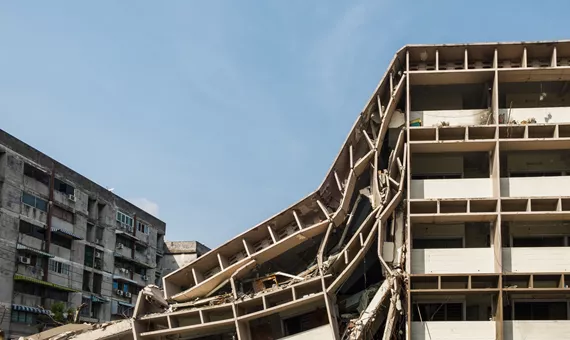
Studying failures is not about assigning blame. It is about learning how and why structures stop performing as intended. Engineers who understand failure modes develop better judgment, design safer systems, and prevent repetition of past mistakes. This blog explains what failure modes mean in civil engineering and why studying failures is essential for professional growth.
WHAT FAILURE MODES MEAN IN CIVIL ENGINEERING
A failure mode describes the specific way in which a structure or component stops performing its intended function. Failure does not always mean collapse. It may involve excessive cracking, unacceptable vibration, leakage, loss of strength, or long term deterioration.

In civil engineering, failure modes can be structural, geotechnical, material related, or execution related. A beam may fail due to bending or shear. A foundation may fail due to settlement or bearing capacity issues. Pavements may fail through cracking or rutting. Each failure mode has distinct causes and warning signs.
Recognizing these modes helps engineers anticipate problems before they become critical.
WHY STRUCTURES FAIL DESPITE CALCULATIONS
Many students assume that failures occur only when calculations are incorrect. In reality, most failures result from a combination of factors. Incorrect assumptions, poor workmanship, material variability, design changes, lack of maintenance, or misuse of structures all contribute to failure.
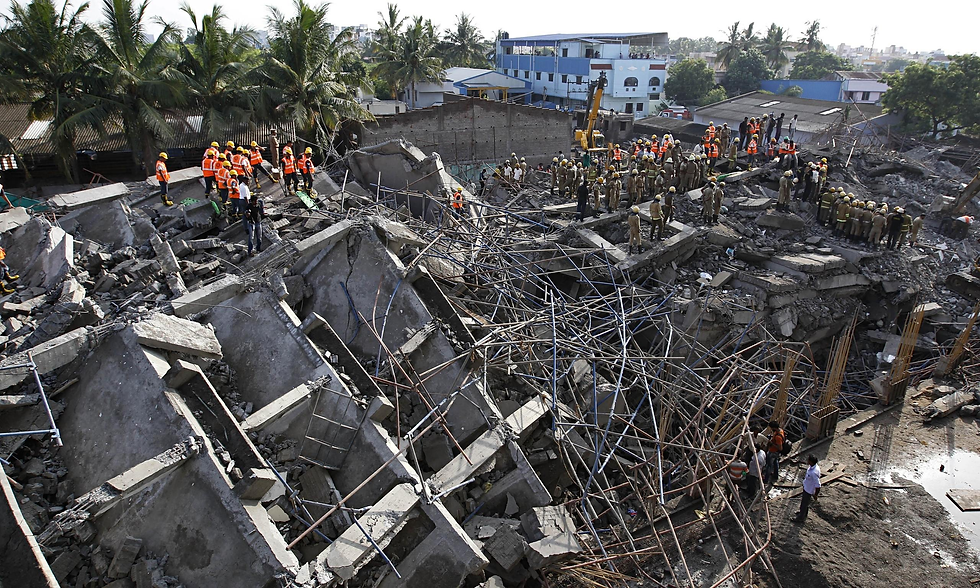
Calculations are based on assumptions about loads, materials, and behavior. When real conditions deviate significantly from these assumptions, failure risks increase. Engineers must therefore understand not only how to design, but also how designs can be compromised during execution and service life.
Failures remind engineers that calculations alone cannot guarantee safety.
COMMON FAILURE MODES CIVIL ENGINEERS MUST UNDERSTAND
Some failure modes appear repeatedly across projects. Structural cracking may indicate overstress, shrinkage, or poor detailing. Excessive deflection may result from inadequate stiffness. Foundation settlement often occurs due to incorrect soil assessment or drainage issues.
Material related failures include corrosion of reinforcement, concrete deterioration, and fatigue in steel structures. Execution related failures arise from poor compaction, incorrect curing, or deviation from drawings.
Engineers who recognize early signs of these failure modes can intervene before serious damage occurs.
WHY ENGINEERS STUDY FAILURES INTENTIONALLY
Failure studies are a cornerstone of engineering education and professional development. Each documented failure adds to collective knowledge. Design codes evolve because engineers study what went wrong in past projects.
By analyzing failures, engineers learn how small oversights escalate into major problems. They understand which assumptions are most sensitive and which details are critical. Failure studies also reinforce humility, reminding engineers that no design is immune to error.
Studying failures is a proactive step toward safer engineering.
FAILURE MODES AND ENGINEERING JUDGMENT
Understanding failure modes sharpens engineering judgment. Engineers learn to identify weak points in designs and execution. They become cautious about changes, shortcuts, and unverified assumptions.
Judgment improves when engineers understand consequences. Knowing how failures develop over time helps engineers prioritize inspections, maintenance, and monitoring. This awareness separates experienced professionals from inexperienced decision makers.
ROLE OF FAILURE STUDIES IN PUBLIC SAFETY
Civil engineering failures directly affect public safety. Bridge collapses, building failures, and infrastructure breakdowns result in loss of life and economic damage.
By studying failures, engineers protect future users. Lessons learned influence design standards, construction practices, and inspection protocols. Each failure studied contributes to preventing many more.
Public safety depends on engineers learning from past mistakes.
FAILURE MODES IN INDIAN AND GLOBAL CONTEXT
In India, failures often occur due to rapid construction, variable site conditions, and maintenance challenges. Engineers develop adaptability but must also strengthen documentation and quality control.
Globally, failure investigations are systematic and transparent. Reports are shared to improve industry wide practices. Indian engineers who understand global approaches to failure analysis gain professional maturity and international readiness.
FAILURE DOES NOT MEAN ENGINEERING HAS FAILED
It is important to understand that failure analysis is not an admission of incompetence. It is evidence of a learning profession. Every engineering discipline evolves through experience, testing, and correction.
Engineers who fear failure studies often repeat mistakes. Engineers who study failures prevent them.
INTERVIEW AND CAREER RELEVANCE
Interviewers often ask about failure scenarios to assess judgment and ethics. Engineers who discuss failures analytically rather than emotionally demonstrate maturity.
Understanding failure modes also prepares engineers for leadership roles, where risk assessment and prevention are critical responsibilities.
HOW STUDENTS AND YOUNG ENGINEERS SHOULD APPROACH FAILURE STUDIES
Students should view failure case studies as learning tools rather than negative stories. Understanding why structures failed deepens conceptual clarity.
Young engineers should observe site issues carefully and learn from defects and repairs. Everyday failures teach as much as major collapses.
CONCLUSION
Understanding failure modes is fundamental to responsible civil engineering practice. Failures reveal weaknesses in design assumptions, execution practices, and judgment. Studying them transforms mistakes into lessons that improve safety and reliability.
Civil engineers who respect failure studies develop stronger judgment, ethical awareness, and professional confidence. In a profession where public safety is paramount, learning from failure is not optional. It is a duty.


Comments