
UNDERSTANDING CONSTRUCTION DELAYS CAUSES RESPONSIBILITIES AND ENGINEER ROLE
- Anjali Regmi
- Jan 27
- 4 min read

Construction delays are one of the most common and challenging issues in civil engineering projects. Almost every engineer, at some point in their career, faces a delayed project. Delays affect not only project timelines but also cost, quality, client relationships, and professional credibility. For civil engineers, understanding construction delays is not just academic knowledge. It is a critical professional skill.
In interviews and real projects alike, engineers are often assessed on how well they understand delays, their causes, and their role in preventing or managing them. This blog explains construction delays in a clear and practical manner, focusing on causes, responsibilities, and the role of civil engineers in minimizing and managing delays.
WHAT CONSTRUCTION DELAYS MEAN IN PRACTICAL TERMS
A construction delay occurs when a project or activity does not progress according to the approved schedule. Delays may affect individual activities or the entire project. In real site conditions, delays rarely have a single cause. They usually result from a combination of technical, managerial, and external factors.
Delays increase project costs, create disputes between stakeholders, and put pressure on engineers working on site. Understanding delays requires engineers to look beyond daily execution and see the project as a coordinated system.
COMMON CAUSES OF CONSTRUCTION DELAYS
Construction delays can arise from multiple sources. One of the most frequent causes is poor planning. When project schedules are unrealistic or not properly coordinated with site conditions, delays become inevitable.
Material related issues such as late deliveries, shortages, or quality rejections also contribute significantly. Inadequate manpower availability, equipment breakdowns, and inefficient subcontractor performance further slow progress.
External factors such as weather conditions, design changes, approval delays, and regulatory issues often lie outside the direct control of site teams but still impact timelines. Understanding these factors helps engineers respond professionally rather than emotionally.
ROLE OF PLANNING AND COORDINATION IN DELAYS

Planning plays a central role in delay prevention. Engineers must understand activity sequencing and dependencies to ensure smooth progress. Poor coordination between different trades often leads to idle time and rework.
Civil engineers who understand planning concepts can identify potential delays early and communicate risks to management. Even site engineers benefit from planning awareness, as it helps them prioritize activities and allocate resources effectively.
RESPONSIBILITIES OF DIFFERENT STAKEHOLDERS
Construction delays are rarely caused by one party alone. Owners, consultants, contractors, and engineers all share responsibility.
Owners may delay approvals or change project scope. Consultants may take time to revise drawings or issue clarifications. Contractors may face resource constraints or coordination issues. Engineers act as the link between all parties and play a key role in managing information flow.
Understanding shared responsibility is essential for professional maturity. Blaming one party without analysis rarely solves delay issues.
ROLE OF CIVIL ENGINEERS IN PREVENTING DELAYS
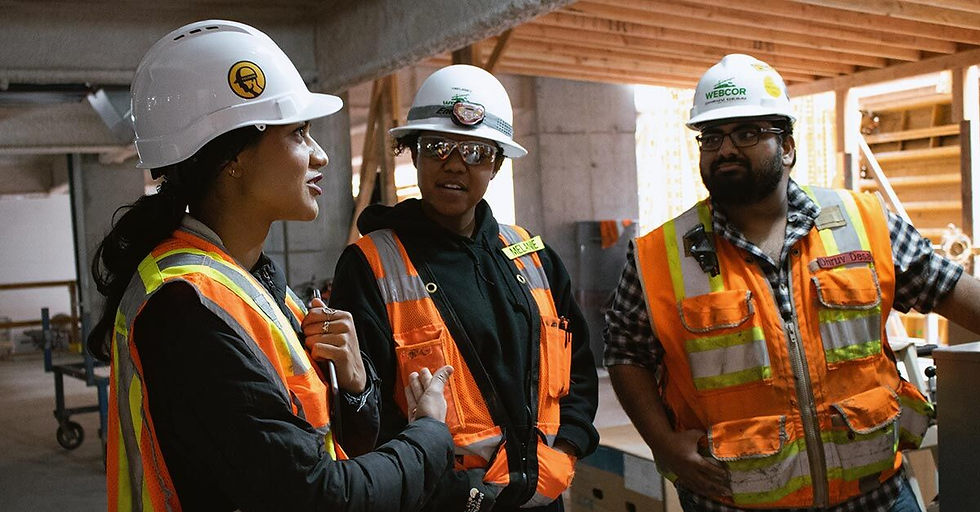
Civil engineers influence delays through daily decisions and actions. Proper supervision, timely reporting, and coordination with teams help maintain progress.
Engineers must ensure work follows drawings and specifications to avoid rework.
Identifying site constraints early and escalating issues professionally reduces future delays. Engineers who maintain discipline and communication create stable work environments even under pressure.
ROLE OF DOCUMENTATION IN DELAY MANAGEMENT
Documentation plays a critical role in delay analysis and resolution. Maintaining records of progress, instructions, approvals, and site conditions helps identify delay causes accurately.
Engineers who document issues clearly protect themselves and their organizations during delay discussions or claims. Proper documentation also supports corrective planning and recovery strategies.
DELAY ANALYSIS AND ENGINEER MATURITY
Professional engineers approach delays analytically rather than emotionally. They focus on identifying root causes and solutions rather than assigning blame.
Delay analysis involves understanding what was planned, what actually happened, and why deviations occurred. Engineers who develop this mindset contribute more effectively to project recovery and decision making.
CONSTRUCTION DELAYS IN INTERVIEWS

Interviewers often ask questions related to delays to assess practical understanding and maturity. Candidates may be asked about reasons for delays, how they handled them, or what actions they would take in similar situations.
Engineers who explain delays calmly, acknowledge shared responsibility, and focus on solutions demonstrate professionalism. Interviewers look for problem solvers, not blame assigners.
INDIAN CONTEXT AND GLOBAL PRACTICES
In India, delays are common due to complex approvals, resource constraints, and site challenges. Engineers often learn to adapt and manage under pressure.
Globally, projects place greater emphasis on planning, documentation, and contractual clarity. Indian engineers working on international projects must upgrade these aspects to handle delays professionally.
Understanding both contexts improves career flexibility.
COMMON MISTAKES ENGINEERS MAKE WHEN DEALING WITH DELAYS
Some engineers ignore early warning signs and hope issues will resolve themselves. Others fail to communicate delays clearly or document site constraints.
Avoiding responsibility or reacting emotionally damages credibility. Professional engineers address delays proactively and transparently.
HOW YOUNG ENGINEERS CAN DEVELOP DELAY MANAGEMENT SKILLS
Young engineers should observe how senior engineers handle delays. Understanding planning documents, attending coordination meetings, and learning reporting formats builds competence.
Asking questions and learning from past delays improves professional judgment over time.
LONG TERM CAREER IMPACT OF HANDLING DELAYS WELL
Engineers who manage delays professionally earn trust from management and clients. They are seen as reliable under pressure and suitable for higher responsibility roles.
Poor delay management leads to conflicts, stress, and stalled careers. Professional handling of delays supports long term growth.
CONCLUSION
Construction delays are an inevitable part of civil engineering projects, but how engineers respond to them defines professional maturity. Understanding causes, responsibilities, and preventive actions enables engineers to contribute positively even in challenging situations.
Civil engineers who approach delays analytically, communicate clearly, and focus on solutions become valuable assets to any project team. In construction, delays test not just schedules, but also professionalism.


Comments