
Underground Engineering: The Hidden World Beneath Modern Cities

Modern cities are often admired for their towering skyscrapers, expansive highways, and stunning architectural landmarks. However, beneath the visible beauty of urban development lies an equally fascinating and complex world that remains largely unnoticed by the public the world of underground engineering. From subway systems and utility tunnels to deep foundations and underground water networks, underground engineering forms the invisible backbone of modern civilization. Without it, cities would struggle to function efficiently, safely, and sustainably.
What is Underground Engineering?
Underground engineering is a branch of civil engineering focused on the planning, design, construction, and maintenance of structures built below the Earth’s surface. It involves creating spaces and systems underground for transportation, utilities, storage, water management, and even habitation in certain cases.
As urban populations continue to grow, cities face increasing pressure on land availability. Building downward has become a practical solution to overcome space limitations while maintaining functionality above ground. Underground engineering helps maximize land use while supporting the infrastructure required for modern urban life.
Projects in underground engineering include tunnels, underground parking, metro rail systems, sewage systems, pipelines, stormwater drainage systems, underground reservoirs, and deep building foundations.
Why Cities Depend on Underground Infrastructure?
The modern city depends heavily on infrastructure hidden beneath its streets. Electricity cables, internet fiber networks, gas pipelines, sewage systems, and water supply lines all operate underground, ensuring uninterrupted daily life.
One major reason cities move infrastructure underground is space efficiency. Instead of occupying valuable land on the surface, essential systems can be safely installed below ground. This leaves more room for roads, parks, residential buildings, and commercial spaces.
Another benefit is protection. Underground systems are less vulnerable to weather conditions such as storms, extreme heat, heavy rainfall, or strong winds. Buried infrastructure is also better protected from accidental damage and vandalism.
In highly populated cities like Tokyo, Singapore, and London, underground infrastructure has become essential to support millions of residents while conserving limited land resources.
Underground Transportation Networks
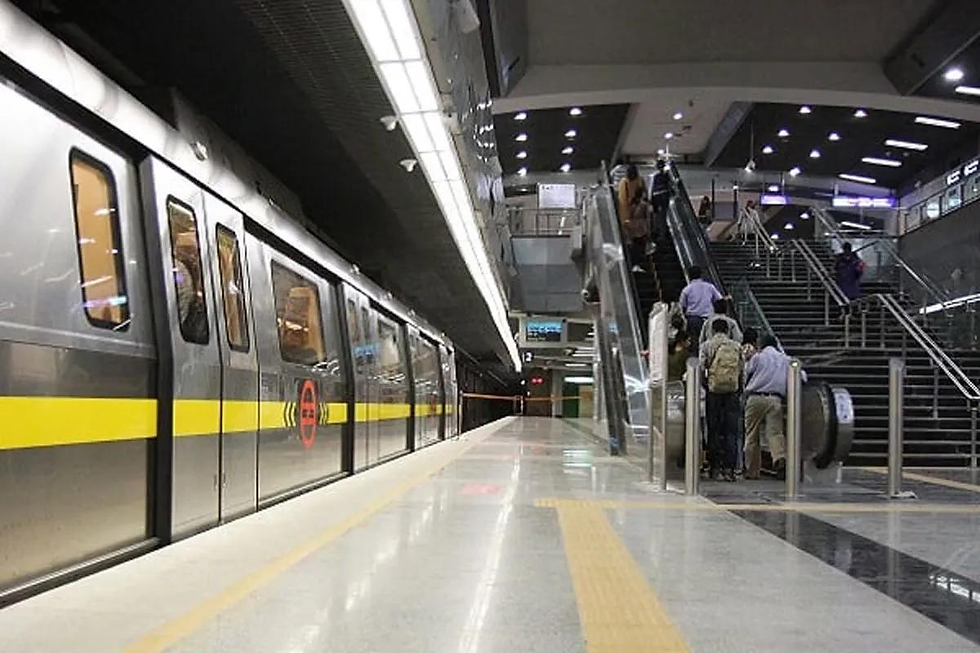
One of the most visible applications of underground engineering is urban transportation. Metro rail systems have revolutionized city commuting by moving large numbers of passengers quickly while reducing traffic congestion on roads.
Systems such as the London Underground, Delhi Metro, and New York City Subway demonstrate how underground transportation improves mobility in densely populated urban centers.
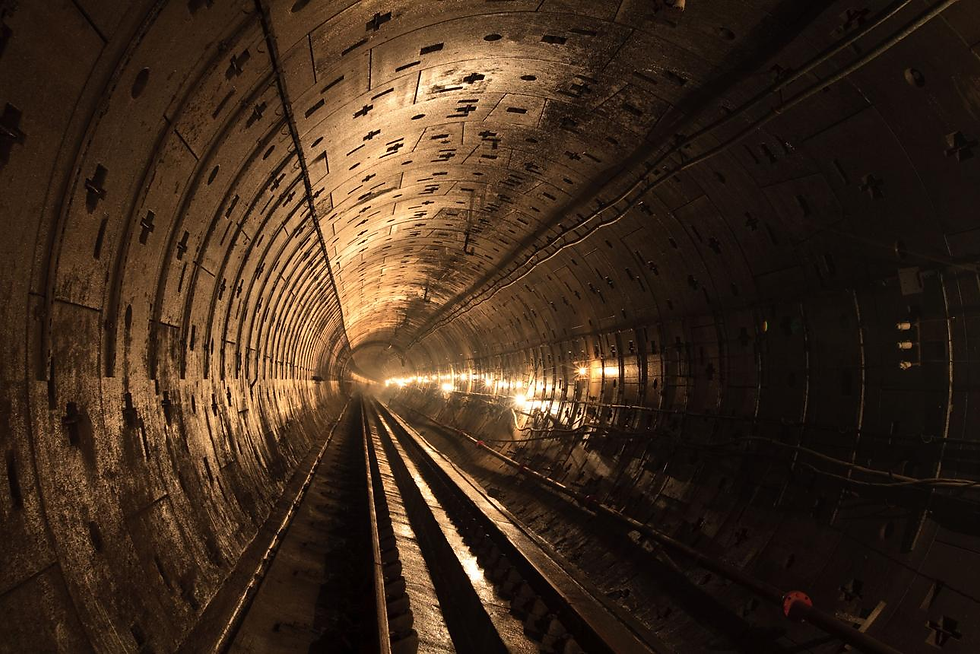
Constructing these systems requires careful planning. Engineers must consider soil conditions, groundwater pressure, nearby building foundations, seismic activity, and long-term maintenance requirements. Tunnel excavation often uses Tunnel Boring Machines (TBMs), massive machines designed to drill through soil and rock while maintaining structural stability.
These transportation systems reduce pollution, save travel time, and make cities more efficient.
Utility Tunnels: The Invisible Lifelines

Beneath every city lies a network of utility systems that residents rarely think about. Water pipes deliver clean drinking water, sewer networks remove waste, electrical cables power homes and businesses, and communication cables enable internet connectivity.
In many advanced cities, engineers now build dedicated utility tunnels called “service tunnels” or “utility corridors.” These tunnels allow workers to inspect, repair, and upgrade infrastructure without digging up roads repeatedly.
This approach reduces maintenance costs and minimizes traffic disruption. Instead of excavating roads each time repairs are needed, technicians can simply enter underground service tunnels and access the infrastructure directly.
Cities increasingly adopt this method as part of smart urban planning.
Deep Foundations and Structural Support
Modern skyscrapers rely heavily on underground engineering. Tall buildings require strong foundations capable of transferring massive structural loads deep into the ground.
Engineers often use pile foundations, drilled shafts, and retaining walls to ensure stability. Structures like Burj Khalifa or supertall towers in global financial centers depend on sophisticated underground engineering before visible construction even begins.
In many projects, the underground work can take months or even years before above-ground construction starts.
A building’s strength is not determined only by what people see above ground but also by the hidden engineering below the surface.
Challenges in Underground Construction
Underground engineering is among the most difficult areas of civil engineering because conditions below ground are unpredictable.
Soil composition varies significantly even within small areas. Engineers may encounter soft clay, hard rock, groundwater pockets, unstable soil, or unexpected underground obstacles.
Water infiltration is another major challenge. Underground structures must be carefully waterproofed to prevent leakage and structural deterioration.
Ventilation also becomes critical in underground spaces. Tunnels and underground stations require systems that ensure continuous airflow and maintain safe oxygen levels.
Safety risks are higher during excavation. Tunnel collapses, gas leaks, flooding, and structural instability require constant monitoring throughout construction.
Because mistakes underground are harder and more expensive to fix, engineers rely heavily on geological surveys and advanced monitoring systems.
Underground Engineering and Sustainability
Sustainable city development increasingly depends on underground engineering solutions.
Underground reservoirs help store rainwater for reuse. Stormwater drainage tunnels reduce urban flooding during heavy rainfall. Underground transport systems lower vehicle emissions by reducing traffic congestion.
Some countries even experiment with underground data centers, underground farms, and underground energy storage systems.
In places where land is limited, building underground preserves surface areas for parks, green spaces, and public use.
As climate change increases pressure on cities, underground engineering offers innovative solutions that support long-term environmental sustainability.
The Future of Underground Cities
The future of urban development may extend far below the surface. Engineers are already exploring multi-level underground cities where transportation, shopping centers, storage systems, and utility networks operate in interconnected underground spaces.
Countries such as Japan and Finland are investing heavily in underground infrastructure planning for future resilience.
Autonomous maintenance robots, AI-powered monitoring systems, smart sensors, and advanced excavation technologies are transforming how underground structures are built and maintained.
As surface space becomes increasingly limited, cities of the future may grow downward as much as upward.
Conclusion
Underground engineering is one of the most critical yet least visible parts of modern civilization. While people admire skyscrapers, roads, and modern architecture above ground, the systems beneath cities quietly support everyday life.
From metro systems and utility tunnels to foundations and flood control networks, underground engineering enables cities to function efficiently, safely, and sustainably.
As urban populations continue expanding, civil engineers will increasingly focus not just on building upward into the sky, but downward into the hidden world beneath our feet.
The future of smart cities will not only be defined by what we see above ground but by the extraordinary engineering hidden below it.


Comments