
Transportation Engineering Basics Road Design Traffic Analysis and Real World Applications
- Anjali Regmi
- Mar 23
- 2 min read

Introduction to Transportation Engineering
Transportation engineering is a vital branch of civil engineering that focuses on the planning, design, construction, and maintenance of transportation systems such as roads, highways, railways, and airports.
For students and freshers, this subject combines theoretical concepts like traffic flow and pavement design with practical field applications like road construction and maintenance.
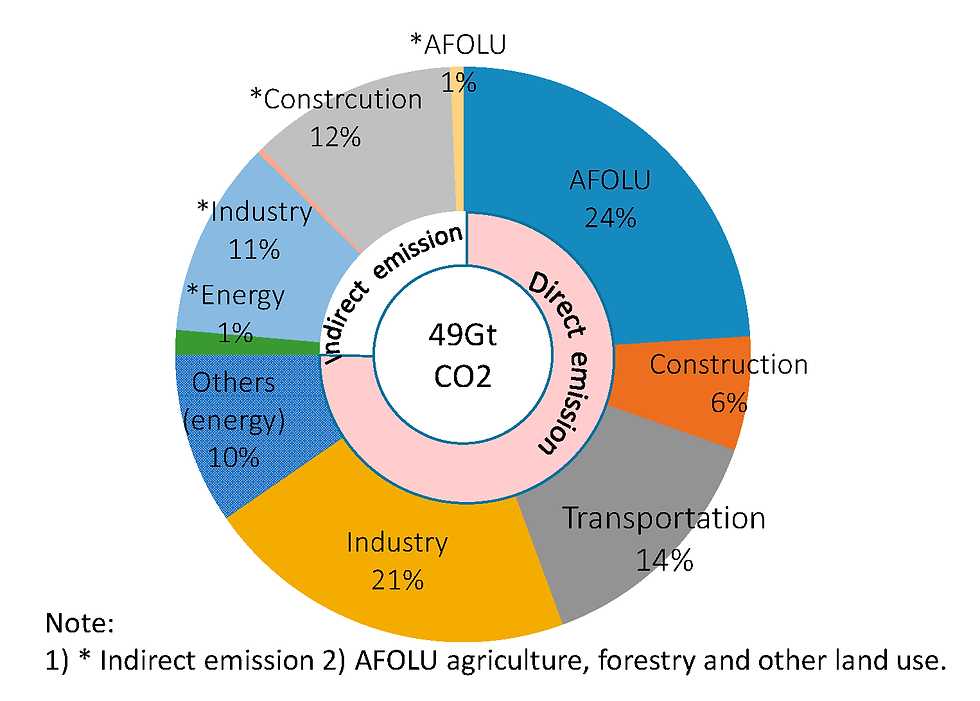
Components of Transportation Systems
Transportation systems consist of infrastructure, vehicles, and users.
Infrastructure includes roads, bridges, and highways. Vehicles include cars, buses, and trucks. Users are the people utilizing these systems.
Understanding the interaction between these components helps engineers design efficient and safe transportation networks.
Traffic Engineering and Flow Characteristics
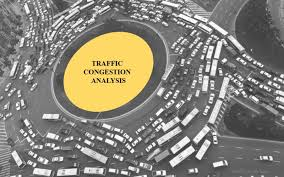
Traffic engineering deals with the movement of vehicles on roads.
Key parameters include speed, density, and flow. These are interrelated and used to analyze traffic conditions.
In theory, these relationships are expressed through graphs and equations. On site, traffic surveys and data collection help engineers understand real conditions.
Road Geometric Design
Geometric design involves designing the physical layout of roads.
It includes elements such as alignment, gradients, curves, and sight distance.
Proper geometric design ensures safety and comfort for road users.
In real projects, engineers must consider terrain, traffic volume, and environmental conditions while designing roads.
Pavement Design and Layers

Pavement design is a key aspect of transportation engineering.
Roads are constructed in layers such as subgrade, sub base, base course, and surface course.
Flexible pavements use asphalt, while rigid pavements use concrete.
In theory, pavement thickness is calculated based on load and soil conditions. On site, proper compaction and material quality are critical.
Traffic Surveys and Data Collection
Traffic surveys are conducted to collect data on vehicle movement.
Methods include manual counting, automatic sensors, and video analysis.
This data is used for planning road capacity and improving traffic flow.
Accurate data collection is essential for effective transportation planning.
Road Construction Process
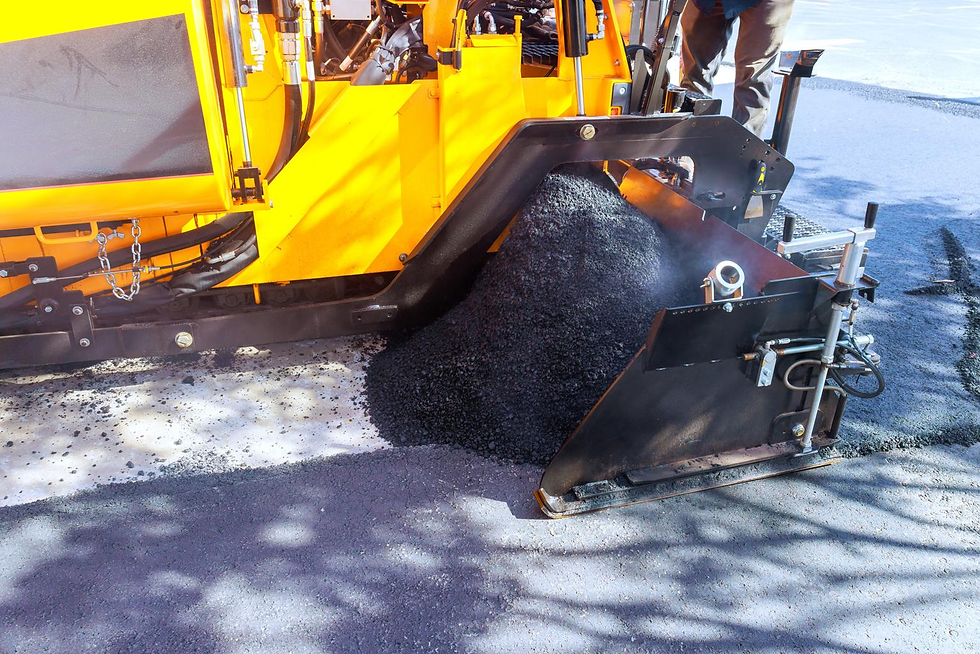
Road construction involves several stages including clearing, excavation, compaction, and paving.
Each layer must be constructed properly to ensure durability.
On site, engineers must monitor material quality, compaction levels, and alignment.
Drainage and Maintenance of Roads
Proper drainage is essential for road durability.
Water accumulation can weaken pavement and lead to failure.
Engineers must design drainage systems to remove water effectively.
Regular maintenance is also required to repair damages and extend road life.
Challenges in Transportation Engineering
Real world transportation projects face challenges such as traffic congestion, land acquisition, and environmental concerns.
For example, increasing urbanization leads to higher traffic volumes, requiring efficient planning.
Engineers must balance technical requirements with practical constraints.
Integration of Theory and Field Practice
Transportation engineering combines theoretical analysis with field implementation.
Concepts like traffic flow and pavement design are applied during road construction and planning.
Engineers who understand both aspects can design efficient and durable transportation systems.
Skills Required for Transportation Engineers
Engineers need analytical skills to study traffic patterns and design systems.
Knowledge of materials and construction methods is essential for pavement design.
Communication and planning skills help in managing large infrastructure projects.
Conclusion
Transportation engineering plays a crucial role in developing efficient and safe infrastructure.
For students and freshers, understanding both theoretical concepts and practical applications is essential.
By combining technical knowledge with field experience, engineers can contribute to building better transportation systems and improving connectivity.


Comments