
Top Technical Questions Civil Engineering Freshers Should Be Ready to Answer in Interviews
- Anjali Regmi
- Feb 15
- 3 min read

Introduction
Civil engineering interviews for freshers are rarely based only on academic marks or final-year projects. Recruiters and senior engineers primarily assess whether a candidate understands practical engineering fundamentals, site awareness, and real-world application of concepts. Many freshers prepare theoretical definitions but struggle when asked basic technical questions related to construction, drawings, materials, and site execution. This mismatch often leads to rejection despite good academic performance. Preparing for the right technical questions is essential for building confidence and increasing job selection chances.
Why Technical Interviews Focus on Practical Knowledge
Companies hiring fresh civil engineers want candidates who can adapt quickly to site or design roles. Interviewers test whether the candidate can understand drawings, supervise work, check quality, and solve basic site problems. Instead of complex theory, they focus on applied fundamentals such as RCC, materials, surveying, and construction workflow.
This is why practical clarity matters more than memorized textbook answers during interviews.
Basic Technical Questions on RCC (Reinforced Cement Concrete)
RCC is the backbone of most construction projects, so freshers are frequently asked questions related to it. Common questions include:
What is the difference between PCC and RCC?
What is cover in RCC and why is it important?
What is lap length and development length?
What is honeycombing in concrete?
What is the purpose of vibration in concreting?
These questions test whether a candidate understands execution concepts rather than theoretical formulas.
Questions Related to Construction Drawings
Interviewers often check drawing interpretation skills because they are essential for both site and design roles. Typical questions include:
How do you read structural drawings?
What are plan, elevation, and section views?
What are grid lines in construction drawings?
How do you identify beam and column locations from drawings?
Candidates who can confidently explain drawing basics demonstrate strong practical readiness.
Surveying and Measurement-Based Questions
Surveying is a common responsibility for fresh site engineers. Interviewers may ask:
What is leveling and why is it important?
What is a benchmark (BM)?
What is reduced level (RL)?
What is the difference between total station and theodolite?
These questions evaluate field knowledge and measurement confidence.
Questions on Construction Materials and Quality Control
Material knowledge is critical for site supervision and quality assurance. Common interview questions include:
What is the water-cement ratio?
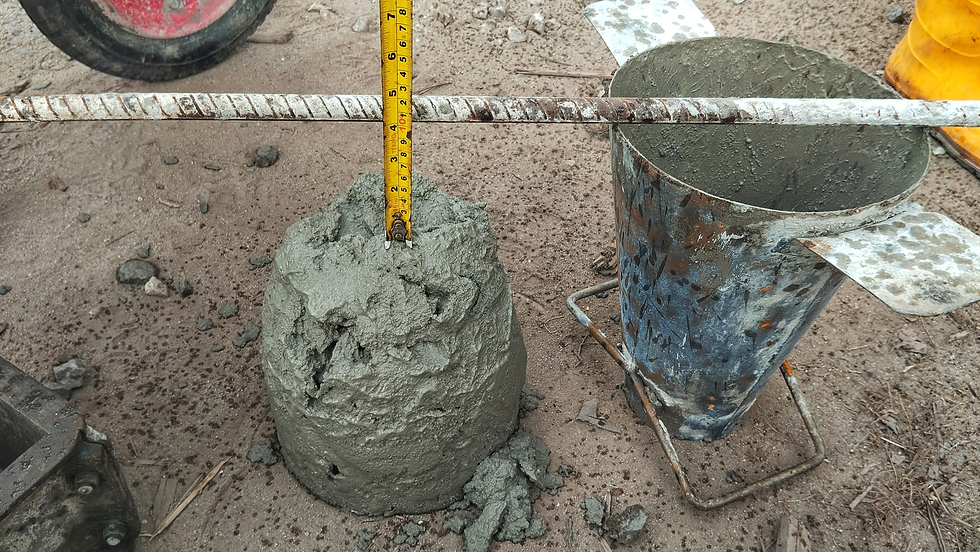
What is slump test and why is it conducted?
What are different types of cement?
How do you check the quality of aggregates?
Clear, practical answers show that the candidate understands real construction conditions.
Questions Related to Site Execution and Workflow
Freshers applying for site roles are often asked execution-based questions such as:
Explain the sequence of RCC work.
What checks are done before concreting?
What is shuttering and why is it required?
How is curing done and why is it important?
These questions help employers judge whether the candidate understands actual site processes.
Software and Technical Skill Questions
Many companies also assess software awareness. Typical questions include:
Do you know AutoCAD or Excel?
How is Excel used in civil engineering projects?
Which software is used for structural design?
Even basic familiarity with software can create a strong impression during interviews.
Situational and Problem-Solving Questions
Interviewers may ask scenario-based questions to test decision-making, such as:
What will you do if concrete slump is too low?
How will you handle a drawing mismatch on site?
What action will you take if reinforcement spacing is incorrect?
These questions assess analytical thinking and practical judgment rather than memorization.

Common Mistakes Freshers Make During Technical Interviews
Many freshers:
Memorize definitions without understanding applications
Give theoretical answers to practical questions
Panic when asked site-related questions
Fail to explain concepts in simple language
Interviewers prefer clarity and practical understanding over complex theoretical explanations.
How Freshers Should Prepare for Technical Interviews
Effective preparation includes revising core subjects like RCC, surveying, and construction management. Freshers should also review internship experiences, observe site processes, and practice explaining technical concepts in simple terms. Reading construction drawings and understanding execution sequences significantly improves interview performance.
Practical preparation builds confidence and reduces hesitation during technical discussions.
Conclusion
Technical interviews for civil engineering freshers focus on practical knowledge, clarity of fundamentals, and real-world application of concepts. Questions commonly revolve around RCC, drawings, materials, surveying, and site execution rather than advanced theoretical topics. Freshers who prepare application-based answers, understand construction workflow, and revise core technical concepts stand out in interviews. In the civil engineering industry, employers do not just hire degrees—they hire candidates who demonstrate readiness to perform in real engineering environments.


Comments