
Top Construction Project Management Mistakes Young Civil Engineers Make (Real Site Problems)
- Anjali Regmi
- Mar 14
- 4 min read

Civil engineering graduates often enter the construction industry with strong theoretical knowledge but very limited practical exposure. The transition from classroom learning to real construction sites can be challenging. Construction projects are complex environments where engineers must manage workers, materials, schedules, contractors, and unexpected problems simultaneously.
Because of this gap between theory and practice, young civil engineers frequently make mistakes during the early stages of their careers. These mistakes are not always technical errors; in many cases they are related to site management, communication, and decision-making under pressure.
Understanding these real-life project management mistakes can help young engineers avoid costly problems and develop stronger professional skills.
1. Relying Too Much on Drawings Without Understanding Site Reality
Many young engineers assume that construction drawings represent the exact conditions on site. In reality, drawings provide design intent, but site conditions often differ significantly from what is shown on paper.
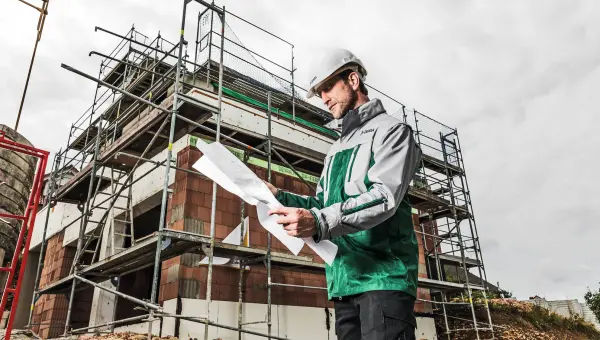
Common real-life issues include:
Foundation levels differing due to soil conditions
Reinforcement congestion that makes drawings difficult to execute
Service lines (plumbing or electrical) clashing with structural elements
Experienced engineers understand that drawings must sometimes be interpreted and adjusted according to site realities while consulting designers.
2. Poor Labor Management
One of the biggest shocks for fresh engineers is managing construction labor. Workers often have years of practical experience and may resist instructions from inexperienced engineers.
Common mistakes include:
Giving unclear instructions to workers
Not monitoring work after giving instructions
Assuming workers will follow drawings perfectly
In reality, engineers must continuously supervise work and verify execution. A common site saying is:
“If you don’t check the work, it probably hasn’t been done correctly.”
3. Ignoring Small Errors That Later Become Major Problems
Young engineers sometimes overlook small construction errors thinking they are insignificant. However, minor mistakes can create serious issues later.
Examples from real construction sites:
Slightly misaligned column reinforcement leading to beam alignment problems
Incorrect plumbing pipe positions requiring slab cutting later
Poor brick alignment causing thick plaster layers

Experienced engineers know that small defects multiply as construction progresses upward.
4. Weak Coordination Between Different Contractors
Modern construction projects involve multiple specialized contractors:
Structural contractors
Electrical contractors
Plumbing contractors
Finishing contractors
Young engineers often fail to coordinate these teams properly.
Typical site conflicts include:
Electrical conduits installed after slab reinforcement
Plumbing lines interfering with beam reinforcement
Tile work starting before waterproofing is completed
These coordination failures lead to rework, delays, and increased project costs.
5. Underestimating Material Management
Another real-world challenge is managing construction materials. Fresh engineers sometimes assume materials will always be available when needed.
However, material shortages are common due to:
Delayed supplier deliveries
Incorrect quantity estimation
Poor site storage management

For example:
If concrete pouring is scheduled but cement delivery is delayed, the entire project schedule can be disrupted.
Experienced engineers always maintain buffer stock for critical materials.
6. Poor Documentation and Record Keeping
Documentation is often ignored by young engineers because it seems like paperwork. However, documentation is essential in construction project management.
Important records include:
Daily progress reports
Material consumption records
Inspection reports
Measurement books
Without proper documentation:
Contractors may dispute payments
Progress tracking becomes difficult
Legal disputes become harder to resolve
Many construction disputes occur simply because work records were not properly maintained.
7. Ignoring Safety Until an Accident Happens
Construction sites contain significant safety risks including working at heights, heavy machinery, and electrical hazards. Young engineers sometimes prioritize speed of work over safety.

Common safety management mistakes include:
Allowing workers to work without helmets or harnesses
Ignoring unsafe scaffolding conditions
Failing to stop dangerous work activities
Experienced project managers understand that one accident can stop an entire project.
8. Poor Time and Priority Management
Construction projects involve multiple simultaneous activities. Young engineers often struggle to prioritize tasks.
Typical mistakes include:
Spending too much time on minor tasks
Ignoring critical activities affecting project schedule
Not monitoring daily progress targets
Good engineers learn to focus on critical activities that affect the project timeline, such as:
Structural work
Material deliveries
Equipment availability
9. Fear of Making Decisions
Construction sites require quick decision-making. Young engineers often hesitate to make decisions without consulting senior engineers.
While consulting seniors is important, excessive hesitation can delay construction activities.
For example:
If reinforcement placement is slightly different from drawings, engineers must quickly decide whether it is acceptable or requires correction.
Experience helps engineers develop engineering judgment for such situations.
10. Not Learning From Senior Engineers and Skilled Workers
Construction sites contain valuable knowledge from experienced professionals such as:
Senior engineers
Foremen
Skilled workers
Young engineers sometimes focus only on theoretical knowledge and ignore practical insights from these individuals.
In reality, experienced workers often understand practical construction techniques that are not taught in universities.
Conclusion
Construction project management requires much more than technical engineering knowledge. Young civil engineers often make mistakes related to site coordination, labor management, safety supervision, and decision-making under pressure.
These mistakes are part of the learning process, but recognizing them early can significantly improve professional performance. Engineers who observe site operations carefully, learn from experienced professionals, and develop strong management skills will grow rapidly in the construction industry.
In real-world civil engineering practice, success depends not only on engineering calculations but also on practical judgment, leadership, and effective project management.


Comments