
Top 20 Mistakes Fresh Civil Engineers Make on Construction Sites (And How to Avoid Them)
- Anjali Regmi
- Feb 26
- 5 min read

The transition from classroom learning to real construction sites is one of the most challenging phases in a civil engineer’s career. While fresh graduates may possess strong theoretical knowledge of RCC design, soil mechanics, and structural analysis, the reality of site execution introduces operational complexities that are rarely taught in academic environments. Construction sites operate under pressure, deadlines, resource constraints, and unpredictable conditions, where even small mistakes can lead to rework, cost overruns, safety hazards, and structural defects.
Understanding the most common mistakes made by fresh civil engineers on site is essential for developing practical competence, leadership ability, and technical confidence. These mistakes are not merely technical errors but also involve communication gaps, documentation negligence, and poor decision-making under real-world constraints.
1. Blindly Trusting Contractors Without Technical Verification
One of the most frequent mistakes fresh engineers make is relying entirely on contractors and supervisors without cross-checking technical execution. Contractors may prioritize speed over quality, leading to improper reinforcement placement, incorrect shuttering alignment, or substandard material usage. Engineers must verify work as per drawings, specifications, and quality standards rather than assuming correctness.
2. Poor Understanding of Drawings and Specifications
Many fresh engineers struggle with reading structural drawings, bar bending schedules, and sectional details. Misinterpretation of lap lengths, cover requirements, and reinforcement spacing often results in execution errors that compromise structural integrity. Technical drawing literacy is a core operational skill that must be mastered early in a site career.

3. Ignoring Quality Control Tests on Site
Fresh engineers sometimes overlook essential quality checks such as slump tests, cube casting, and material inspections due to workload or lack of supervision awareness. This negligence directly affects concrete strength, durability, and long-term performance of structures. Quality control should be treated as a daily operational responsibility rather than a formality.
4. Adding Excess Water to Concrete for Easy Workability
Allowing extra water addition at site to improve workability is a critical technical mistake. It reduces compressive strength, increases shrinkage cracks, and weakens structural durability. Engineers must strictly maintain the approved water-cement ratio and enforce discipline during concreting operations.
5. Lack of Proper Site Documentation and Reporting
Documentation such as Daily Progress Reports (DPR), material logs, and inspection records are often ignored by fresh engineers. Poor documentation leads to accountability issues, delay analysis challenges, and legal risks during disputes. Professional reporting is a vital operational skill in construction management.
6. Neglecting Safety Protocols and Risk Assessment
Construction sites are high-risk environments, yet fresh engineers sometimes underestimate safety responsibilities. Failure to enforce PPE usage, unsafe scaffolding practices, and poor hazard identification can result in accidents, project shutdowns, and legal liabilities. Safety management is as important as technical execution.
7. Weak Communication with Labor and Senior Engineers
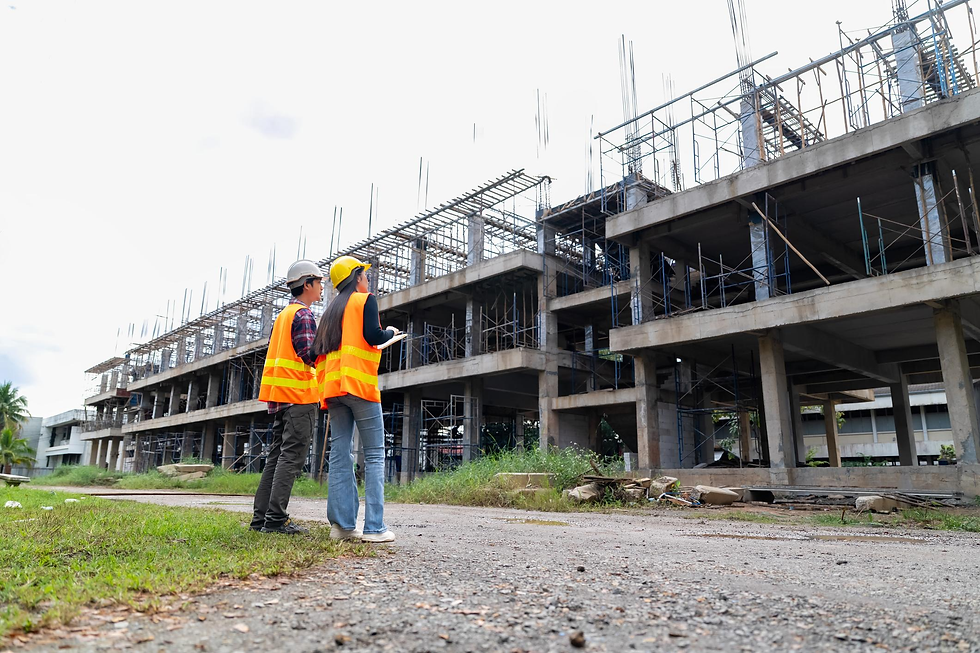
Effective communication is a non-technical yet critical operational skill. Fresh engineers often hesitate to clarify doubts with senior engineers or fail to properly instruct labor teams. Miscommunication leads to incorrect execution, delays, and rework. Clear instructions and daily briefings improve workflow efficiency.
8. Poor Time and Task Management on Site
Construction activities run on strict timelines, and poor scheduling can disrupt the entire workflow. Fresh engineers who fail to prioritize tasks, monitor progress, or coordinate with multiple teams struggle to meet project deadlines. Understanding activity sequencing and site planning is essential for smooth execution.
9. Ignoring Pre-Concreting Checklists
Skipping pre-pour inspections of reinforcement, shuttering alignment, and embedded items is a common operational mistake. Once concrete is poured, correcting errors becomes extremely costly and time-consuming. A disciplined checklist-based approach prevents irreversible structural defects.
10. Inadequate Knowledge of Bar Bending Schedule (BBS)
Many fresh civil engineers lack practical knowledge of BBS calculations and reinforcement detailing. This leads to steel wastage, incorrect cutting lengths, and improper placement. Mastering BBS helps in cost control, quality assurance, and accurate site execution.
11. Improper Material Storage and Handling
Fresh engineers often overlook the importance of proper storage of cement, steel, and aggregates. Exposure to moisture, rust formation in reinforcement, and contamination of aggregates affect construction quality. Effective material management ensures consistency and durability.
12. Failure to Conduct Regular Site Inspections
Routine inspections of ongoing work are essential to detect errors at early stages. Fresh engineers who remain confined to office cabins or rely only on reports miss critical on-site defects. Active site presence improves quality supervision and technical control.
13. Not Understanding Real Ground Conditions
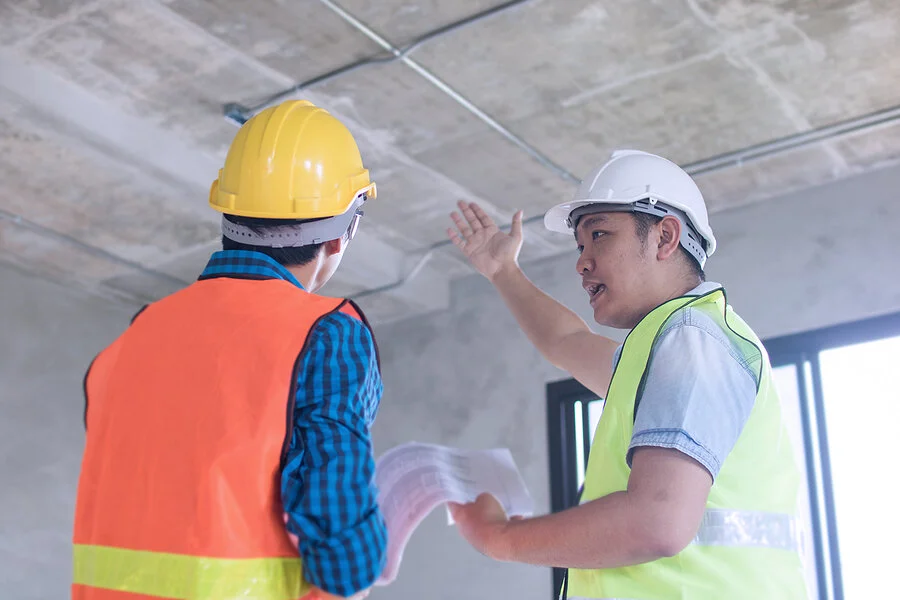
Site conditions often differ from theoretical assumptions. Soil variability, groundwater levels, and environmental factors impact foundation and structural work. Fresh engineers who fail to adapt to real ground conditions risk execution errors and structural instability.
14. Fear of Taking Technical Decisions
Decision-making under pressure is a key operational skill. Many fresh engineers hesitate to take responsibility or escalate issues, causing delays and confusion. Timely technical decisions, backed by drawings and standards, are crucial for project continuity.
15. Overlooking Coordination Between Different Trades
Construction involves coordination between civil, electrical, plumbing, and finishing teams. Lack of coordination leads to clashes such as improper service openings or structural modifications. Engineers must ensure interdisciplinary synchronization before execution.
16. Ignoring Equipment Maintenance and Site Logistics
Equipment breakdowns due to poor maintenance can halt construction activities. Fresh engineers often neglect machinery inspection and logistics planning, resulting in operational delays and productivity loss.
17. Mismanaging Labor Productivity
Labor productivity directly affects project timelines and quality. Fresh engineers who fail to allocate tasks effectively or monitor workforce efficiency face execution delays and inconsistent workmanship.
18. Lack of Practical Knowledge of Construction Sequence
Improper sequencing of activities such as formwork, reinforcement, and concreting leads to workflow disruptions. Understanding the correct construction sequence is essential for maintaining structural quality and project efficiency.
19. Not Asking Questions or Seeking Clarifications
A major psychological mistake among fresh engineers is avoiding questions due to fear of judgment. This leads to silent errors and incorrect execution. Clarifying doubts with senior engineers, consultants, and project managers enhances technical learning and accuracy.
20. Focusing Only on Technical Work and Ignoring Soft Skills
Construction site management requires leadership, negotiation, conflict resolution, and communication skills. Engineers who focus only on calculations and drawings often struggle with team management and stakeholder coordination. A balanced combination of technical and non-technical skills defines a successful site engineer.
Conclusion: From Fresher to Competent Site Engineer
Mistakes on construction sites are inevitable for fresh civil engineers, but repeated operational errors can significantly impact project quality, safety, and cost efficiency. The key to professional growth lies in proactive learning, strong supervision, disciplined documentation, and continuous technical observation. By avoiding these 20 common mistakes and adopting a problem-solving mindset, fresh engineers can bridge the gap between academic knowledge and real-world construction execution.
In the highly demanding construction industry, engineers who learn from site realities, enforce quality standards, and communicate effectively evolve into reliable professionals capable of handling complex projects. Practical exposure, field training, and disciplined operational skills ultimately transform a fresher into a confident and technically sound civil engineer.


Comments