
The Most Underrated Skill in Construction Is Staying Calm When Everything Starts Going Wrong
- Anjali Regmi
- May 22
- 2 min read

Introduction
Construction projects rarely operate under perfect conditions. Delays happen unexpectedly, workers make mistakes, materials arrive late, equipment fails, clients demand urgent changes, and multiple teams begin asking questions at the same time.
During these situations, technical knowledge alone is not enough. One of the most valuable and underrated skills for civil engineers is the ability to stay calm under pressure while solving problems logically and professionally.
Because on construction sites, panic spreads faster than solutions.
Site Pressure Increases Very Quickly During Problems

A single unexpected issue can immediately affect labor, scheduling, client communication, safety, and productivity across the project.
When pressure rises, teams naturally look toward engineers and supervisors for direction and stability.
Emotional Reactions Usually Make Site Problems Worse
Losing emotional control during stressful situations often creates confusion, fear, and communication breakdowns among teams.
Anger, panic, or blame rarely solve construction problems efficiently and may reduce team confidence in leadership.
Calm Engineers Make Better Decisions Under Pressure
Strong engineers focus on understanding the issue clearly before reacting.
Remaining calm allows better judgment regarding safety, scheduling, coordination, manpower allocation, and technical problem-solving.
Teams Perform Better When Leadership Feels Stable
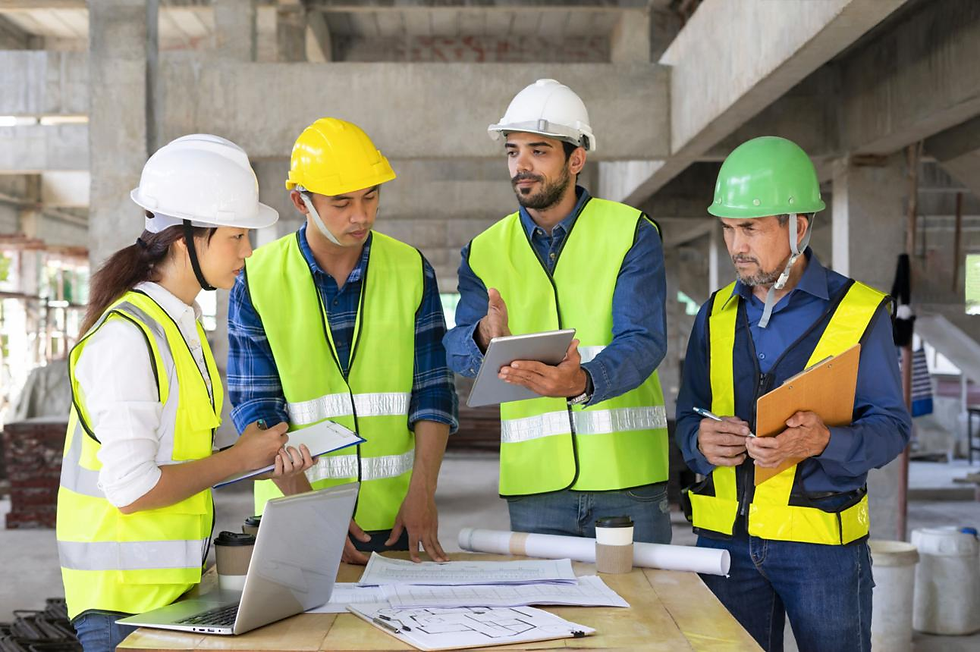
Workers and supervisors become more productive when leadership remains composed during difficult moments.
Calm leadership reduces unnecessary panic and helps teams stay focused on practical solutions instead of fear or confusion.
Experience Builds Emotional Discipline Over Time
Experienced engineers understand that construction problems are unavoidable.
Over time, they develop emotional resilience, patience, and the ability to separate problem-solving from emotional reactions.

Conclusion
In construction management, staying calm during difficult situations is one of the most important professional skills an engineer can develop.
Projects will always face delays, mistakes, conflicts, and unexpected pressure. But engineers who remain composed under stress are usually the ones who solve problems faster, maintain stronger teams, and keep projects moving forward effectively.
On construction sites, calm leadership often becomes the difference between controlled recovery and complete chaos.


Comments