
The Importance of Safety Knowledge for Civil Engineering Professionals
- Anjali Regmi
- Jun 10
- 8 min read

Civil engineering is one of the most influential professions in the world. Civil engineers design, construct, maintain, and manage infrastructure that supports modern society, including buildings, bridges, highways, tunnels, dams, airports, railways, water supply systems, and many other essential facilities. While these structures contribute significantly to economic development and public welfare, their construction and maintenance involve numerous risks. Construction sites are often considered among the most hazardous workplaces due to heavy machinery, working at heights, excavation activities, electrical systems, hazardous materials, and constantly changing site conditions.

Because of these risks, safety knowledge is not merely an additional skill for civil engineering professionals it is a fundamental requirement. A civil engineer's responsibility extends beyond technical design and project management. They must ensure the safety of workers, site personnel, the public, and the environment throughout every phase of a project. Understanding safety principles, regulations, hazard identification, risk assessment, and emergency response procedures is crucial for minimizing accidents and creating a safe working environment.
This article explores the importance of safety knowledge for civil engineering professionals, its role in project success, key safety concepts every engineer should understand, and how a strong safety culture contributes to sustainable construction practices.
Understanding Safety in Civil Engineering
Safety in civil engineering refers to the implementation of measures and procedures that protect workers, equipment, structures, and the public from accidents, injuries, and hazards associated with construction and infrastructure projects.
Construction activities involve multiple stakeholders, including engineers, contractors, architects, project managers, laborers, suppliers, and government authorities. Since numerous activities occur simultaneously on a construction site, the potential for accidents increases significantly if safety protocols are ignored.
Safety knowledge helps civil engineers:
Identify potential hazards.
Assess risks before work begins.
Develop preventive measures.
Ensure compliance with regulations.
Protect workers and equipment.
Improve project efficiency.
Reduce financial losses.
Maintain professional responsibility.
The ultimate goal is to create a work environment where all tasks can be completed efficiently without compromising human health and safety.
Why Safety Knowledge Is Essential for Civil Engineers
Protecting Human Lives
The most important reason for safety awareness is the protection of human life. Construction sites expose workers to numerous hazards such as falls, equipment accidents, electrical shocks, structural collapses, and material handling injuries.
According to international occupational safety reports, falls from heights remain one of the leading causes of fatalities in the construction industry. Civil engineers who understand safety standards can implement preventive measures such as:
Proper scaffolding systems
Guardrails and safety nets
Personal protective equipment (PPE)
Safe access routes
Fall arrest systems
Every accident prevented represents a life protected and a family spared from tragedy.
Ensuring Worker Well-Being
Safety knowledge goes beyond preventing fatalities. It also focuses on preventing injuries, illnesses, and long-term health issues.
Construction workers may be exposed to:
Excessive noise
Dust and airborne particles
Hazardous chemicals
Extreme weather conditions
Repetitive physical strain
Civil engineers with strong safety awareness ensure that workers receive proper protection through ventilation systems, protective equipment, health monitoring programs, and safe work practices.
A healthy workforce is more productive, motivated, and efficient, contributing to project success.
Preventing Construction Accidents
Accidents can occur due to:
Improper equipment use
Unsafe excavation practices
Poor communication
Structural instability
Electrical hazards
Lack of training
Safety-trained engineers can identify warning signs before accidents happen. They conduct regular inspections, safety audits, and risk assessments to eliminate hazards proactively.
Instead of reacting to incidents after they occur, safety knowledge enables engineers to prevent them from happening in the first place.
Enhancing Project Efficiency
Many people mistakenly believe that safety measures slow down construction work. In reality, the opposite is true.
Unsafe workplaces often experience:
Frequent work stoppages
Equipment damage
Worker absenteeism
Investigations
Legal issues
A safe construction site operates more smoothly because workers can focus on their tasks without unnecessary disruptions.
When proper safety planning is integrated into project management, productivity increases while delays decrease.
Financial Benefits of Safety Knowledge
Reducing Direct Costs
Workplace accidents result in significant financial losses.
Direct costs include:
Medical expenses
Compensation claims
Insurance costs
Equipment repair
Property damage
A single major accident can cost a construction company millions of rupees in damages and compensation.
Civil engineers who prioritize safety help organizations avoid these expenses by implementing preventive measures.
Reducing Indirect Costs
Indirect costs are often much higher than direct costs.
Examples include:
Project delays
Productivity losses
Recruitment of replacement workers
Investigation expenses
Legal proceedings
Reputational damage
These hidden costs can severely impact project profitability.
Strong safety management significantly reduces the likelihood of such losses.
Improving Company Reputation
Construction companies with excellent safety records gain a competitive advantage in the industry.
Clients often prefer contractors who demonstrate:
Strong safety performance
Low accident rates
Compliance with regulations
Reliable project execution
Civil engineers play a crucial role in maintaining these standards.
A reputation for safety can lead to increased business opportunities and long-term growth.
Legal and Regulatory Compliance
Every country has laws and regulations governing workplace safety.
Construction projects must comply with:
Occupational health and safety regulations
Building codes
Environmental laws
Labor protection standards
Failure to comply can result in:
Heavy fines
Project shutdowns
License suspension
Legal action
Criminal liability
Civil engineers must understand relevant safety regulations and ensure that all project activities comply with legal requirements.
Safety knowledge protects both organizations and professionals from legal consequences.

Role of Civil Engineers in Construction Safety
Hazard Identification
One of the primary responsibilities of civil engineers is identifying hazards before work begins.
Common construction hazards include:
Falling objects
Open excavations
Unstable structures
Electrical installations
Heavy machinery operations
Confined spaces
Engineers conduct site assessments and develop strategies to eliminate or minimize these risks.
Risk Assessment
Risk assessment involves analyzing:
The likelihood of a hazard occurring
The severity of potential consequences
Control measures required
For example, before excavation work begins, engineers evaluate:
Soil conditions
Groundwater levels
Adjacent structures
Utility lines
This assessment helps determine the safest construction methods.
Safety Planning
Safety planning should begin during the project design stage.
Engineers develop:
Site safety plans
Emergency response procedures
Traffic management plans
Equipment operation guidelines
Worker protection measures
Comprehensive planning significantly reduces workplace risks.
Site Supervision
Civil engineers frequently supervise construction activities.
During site visits, they monitor:
Worker behavior
Equipment conditions
Compliance with safety procedures
Housekeeping practices
Emergency preparedness
Continuous supervision ensures that safety standards remain effective throughout the project lifecycle.
Importance of Personal Protective Equipment (PPE)
Personal Protective Equipment serves as the final barrier between workers and hazards.
Common PPE includes:
Safety helmets
Reflective jackets
Safety boots
Gloves
Eye protection
Hearing protection
Respiratory masks
Safety harnesses
Civil engineers must ensure that workers:
Receive appropriate PPE
Use it correctly
Maintain it properly
Replace damaged equipment promptly
Proper PPE usage significantly reduces injury risks.
Safety in Different Construction Activities
Working at Heights
Height-related work is among the most dangerous construction activities.
Examples include:
High-rise construction
Bridge construction
Tower erection
Roofing work
Safety measures include:
Guardrails
Safety nets
Harness systems
Proper scaffolding
Ladder safety protocols
Engineers must ensure strict compliance with fall protection standards.
Excavation Safety
Excavation work presents risks such as:
Cave-ins
Falling materials
Underground utility damage
Water accumulation
Engineers implement protective measures including:
Shoring systems
Sloping techniques
Trench boxes
Site monitoring
Proper excavation safety prevents catastrophic accidents.
Concrete Construction Safety
Concrete operations involve:
Formwork systems
Reinforcement placement
Heavy lifting
Pumping equipment
Improper formwork design can lead to structural collapse.
Civil engineers must verify load calculations, support systems, and construction sequences to ensure safe operations.
Heavy Equipment Safety
Construction sites utilize machinery such as:
Excavators
Cranes
Bulldozers
Loaders
Concrete mixers
Equipment-related accidents often occur due to:
Operator errors
Poor maintenance
Blind spots
Overloading
Engineers ensure proper equipment inspection, operator training, and safe operating procedures.
Emergency Preparedness and Response
Despite preventive efforts, emergencies can still occur.
Examples include:
Fire outbreaks
Structural collapses
Chemical spills
Flooding
Electrical incidents
Civil engineers must develop emergency response plans that include:
Evacuation procedures
Communication systems
First-aid arrangements
Emergency contact information
Rescue protocols
Preparedness reduces the severity of incidents and saves lives.
Building a Safety Culture
A strong safety culture means that safety becomes a shared value rather than a mandatory requirement.
Characteristics of a positive safety culture include:
Leadership commitment
Worker participation
Open communication
Continuous improvement
Accountability
When everyone prioritizes safety, accident rates decline significantly.
Civil engineers often serve as safety leaders who influence workplace attitudes and behaviors.
The Relationship Between Safety and Quality
Safety and quality are closely interconnected.
Poor-quality work can create safety hazards, while unsafe practices often result in defective construction.
For example:
Improper reinforcement placement can weaken structures.
Inadequate concrete curing may reduce strength.
Poor workmanship can compromise structural integrity.
Engineers who prioritize safety typically achieve higher-quality outcomes because both require careful planning, supervision, and attention to detail.
Safety and Sustainable Construction
Modern construction increasingly emphasizes sustainability.
Sustainable construction focuses on:
Environmental protection
Resource efficiency
Social responsibility
Economic viability
Safety is a critical component of sustainability because a project cannot be considered sustainable if it endangers workers or communities.
Safe construction practices contribute to:
Reduced waste
Lower environmental impact
Improved worker welfare
Long-term project success
Thus, safety and sustainability work together to create responsible infrastructure development.
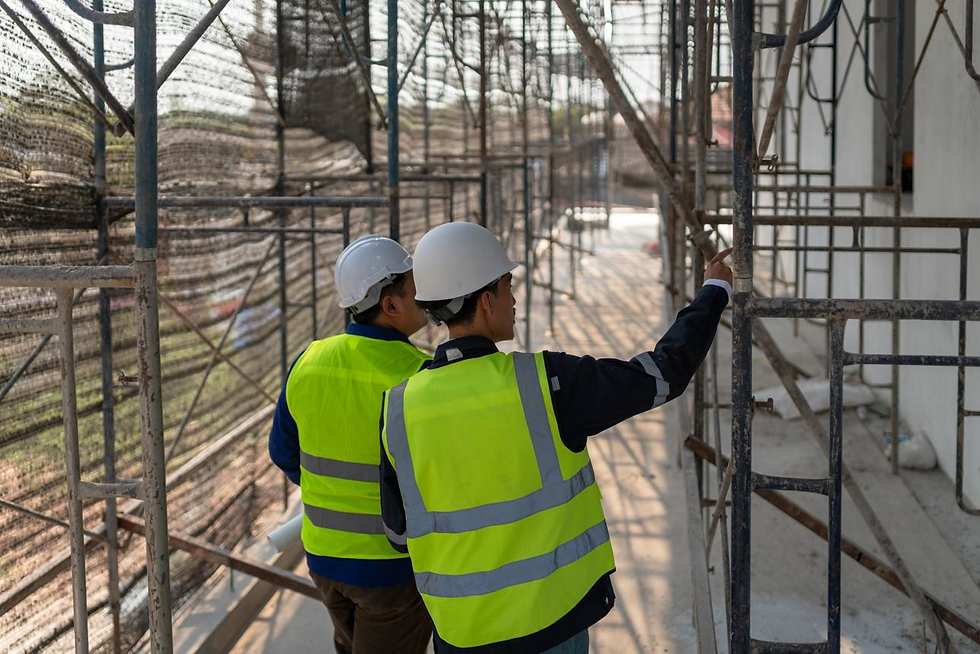
Technology and Construction Safety
Advancements in technology are transforming construction safety management.
Modern tools include:
Building Information Modeling (BIM)
BIM helps identify safety risks during the design stage by creating detailed digital models of projects.
Drones
Drones perform inspections in hazardous areas, reducing the need for workers to enter dangerous environments.
Wearable Safety Devices
Smart helmets, sensors, and wearable devices monitor worker health and location in real time.
Artificial Intelligence
AI systems analyze site data to predict potential hazards and improve decision-making.
Virtual Reality Training
VR simulations allow workers to experience hazardous situations safely and learn proper responses.
Civil engineers who understand these technologies can significantly improve workplace safety.
Safety Training and Continuous Learning
Safety knowledge is not static.
Construction methods, regulations, and technologies evolve continuously.
Therefore, civil engineers should regularly participate in:
Safety workshops
Professional certification programs
Industry seminars
Emergency drills
Technical training sessions
Continuous learning ensures that engineers remain aware of the latest safety practices and regulatory requirements.
Career Advantages of Safety Knowledge
Safety expertise provides significant career benefits for civil engineering professionals.
Employers highly value engineers who can:
Manage risks effectively
Reduce accident rates
Ensure regulatory compliance
Lead safety initiatives
Professionals with strong safety credentials often qualify for roles such as:
Safety Engineer
Construction Manager
Project Manager
Site Engineer
Health and Safety Officer
Risk Management Specialist
Safety competence enhances employability and career advancement opportunities.
Ethical Responsibility of Civil Engineers
Civil engineers have an ethical duty to protect public safety.
Infrastructure failures can have devastating consequences, including:
Loss of life
Economic disruption
Environmental damage
Public distrust
Engineering ethics require professionals to prioritize safety above cost savings or schedule pressures.
Responsible engineers never compromise safety standards for short-term gains.
Their decisions affect communities for decades, making safety one of their most important professional obligations.
Conclusion
Safety knowledge is an indispensable component of civil engineering practice. It protects lives, prevents injuries, reduces financial losses, ensures regulatory compliance, improves project efficiency, and enhances construction quality. Civil engineers are not only designers and builders but also guardians of workplace safety and public welfare.
As construction projects become larger, more complex, and technologically advanced, the importance of safety expertise continues to grow. Engineers who possess strong safety knowledge can identify hazards, assess risks, implement preventive measures, and foster a culture where safety is valued by everyone involved in a project.
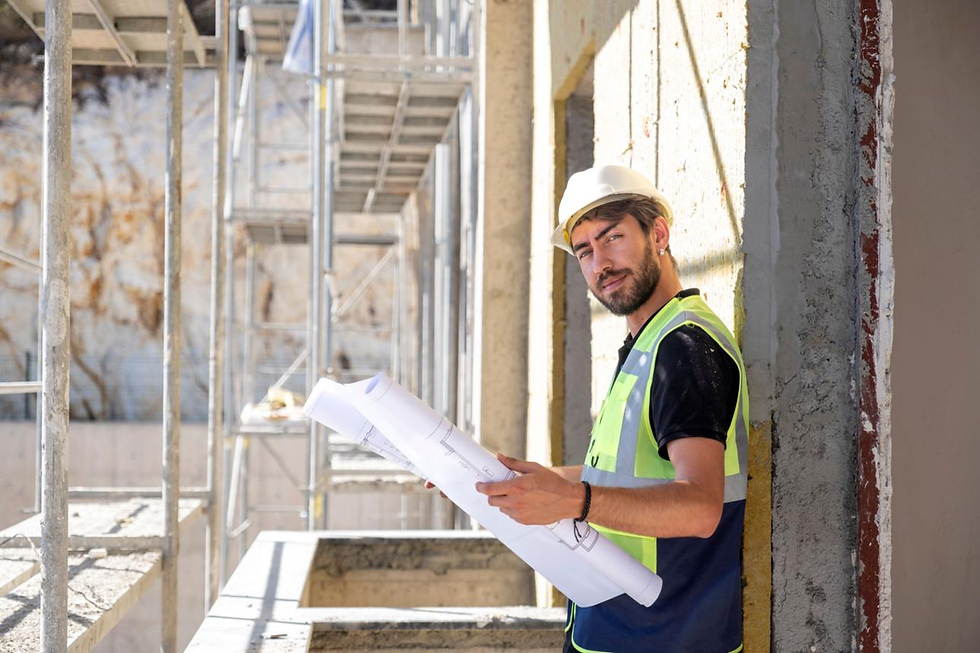
Ultimately, successful civil engineering is not measured solely by the completion of structures but by the ability to build them without harming workers, communities, or the environment. A truly successful civil engineer understands that every bridge, building, highway, or dam must stand not only as a symbol of technical achievement but also as a testament to a commitment to safety. Safety is therefore not just a professional requirement,it is the foundation upon which responsible and sustainable civil engineering is built.


Comments