
The Hidden Skills That Make a Civil Engineer Successful on Construction Sites
- Anjali Regmi
- Mar 12
- 3 min read

Civil engineering is often associated with technical knowledge, structural calculations, and construction drawings. However, real success on construction sites requires much more than technical expertise. Engineers who excel in the field often possess a set of hidden professional skills that help them manage people, solve problems, and lead complex construction projects.
Construction sites are dynamic environments where unexpected challenges arise frequently. Engineers must make quick decisions, coordinate with multiple teams, and ensure that work progresses smoothly despite constraints. These responsibilities demand strong interpersonal, managerial, and strategic abilities that go beyond classroom learning.
Understanding these hidden skills can help young civil engineers prepare themselves for real-world challenges and achieve long-term success in the construction industry.
Effective Communication Skills
Communication is one of the most important yet underestimated skills for civil engineers working on construction sites. Engineers must communicate with a wide range of stakeholders, including contractors, labor teams, architects, consultants, and project managers.
Clear communication ensures that construction instructions are properly understood and implemented.
Key aspects of effective communication include:
Explaining technical drawings to workers
Coordinating with contractors and subcontractors
Reporting project progress to senior engineers
Resolving misunderstandings between teams
Engineers who communicate effectively help prevent errors and improve project efficiency.
Problem-Solving Ability
Construction projects rarely proceed exactly as planned. Engineers often encounter unexpected challenges such as design conflicts, material shortages, equipment failures, or site condition changes.
Successful civil engineers must be able to analyze problems quickly and develop practical solutions.
Problem-solving may involve:
Adjusting construction sequences
Identifying alternative materials or techniques
Coordinating with designers to resolve technical issues
Engineers who develop strong analytical thinking can manage these challenges effectively.
Leadership and Team Management
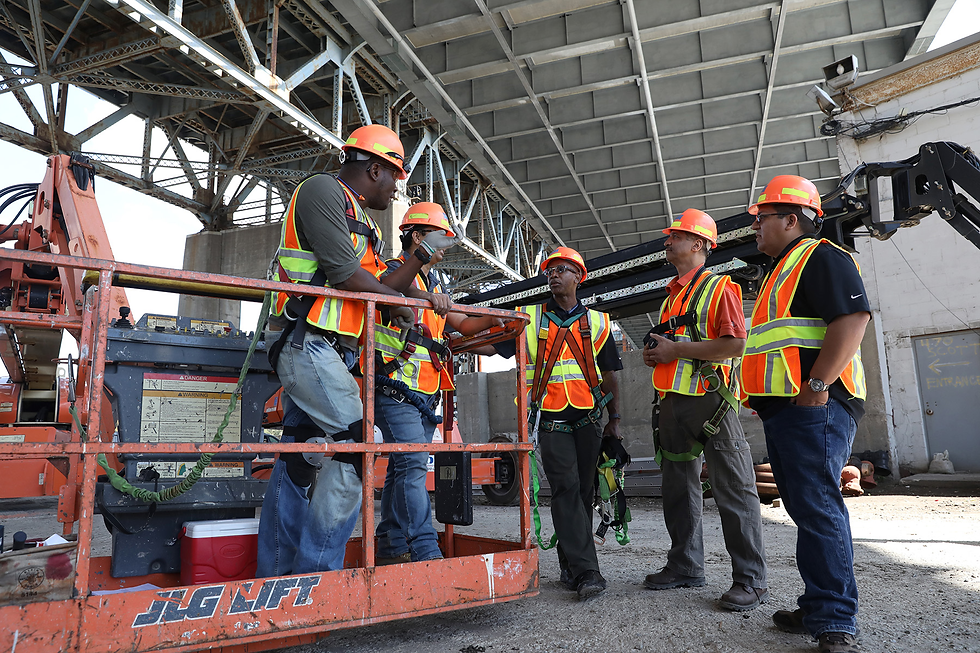
Construction sites involve large teams of workers, supervisors, contractors, and technicians. Site engineers must demonstrate leadership to manage these teams efficiently.
Leadership responsibilities include:
Assigning tasks to labor teams
Monitoring productivity
Motivating workers to maintain performance
Ensuring compliance with safety procedures
Strong leadership helps maintain discipline and productivity on construction sites.
Decision-Making Under Pressure
Construction environments often require engineers to make decisions quickly, sometimes with limited information. Delays in decision-making can slow down construction activities and increase project costs.
Engineers may need to decide on issues such as:
Adjusting work schedules due to weather conditions
Managing equipment breakdowns
Resolving conflicts between teams
Effective decision-making helps keep construction activities on schedule.
Time Management and Organization
Construction projects involve multiple tasks happening simultaneously. Engineers must manage time efficiently to ensure that activities are completed according to the project schedule.
Good time management includes:
Prioritizing critical construction tasks
Monitoring daily progress
Coordinating different work activities

Engineers who organize their tasks effectively can maintain project momentum.
Negotiation and Conflict Resolution
Conflicts are common on construction sites due to disagreements over schedules, work quality, or resource allocation. Engineers must act as mediators and resolve conflicts professionally.
Negotiation skills help engineers:
Resolve disputes between contractors and workers
Handle disagreements regarding project changes
Maintain positive relationships with stakeholders
Engineers who manage conflicts effectively help maintain a cooperative working environment.
Adaptability in Changing Site Conditions
Construction sites are constantly evolving environments. Engineers must adapt to changing conditions such as weather variations, design modifications, or unexpected site challenges.
Adaptability allows engineers to respond effectively when project conditions change. Flexible thinking helps engineers maintain progress even under difficult circumstances.
Attention to Detail
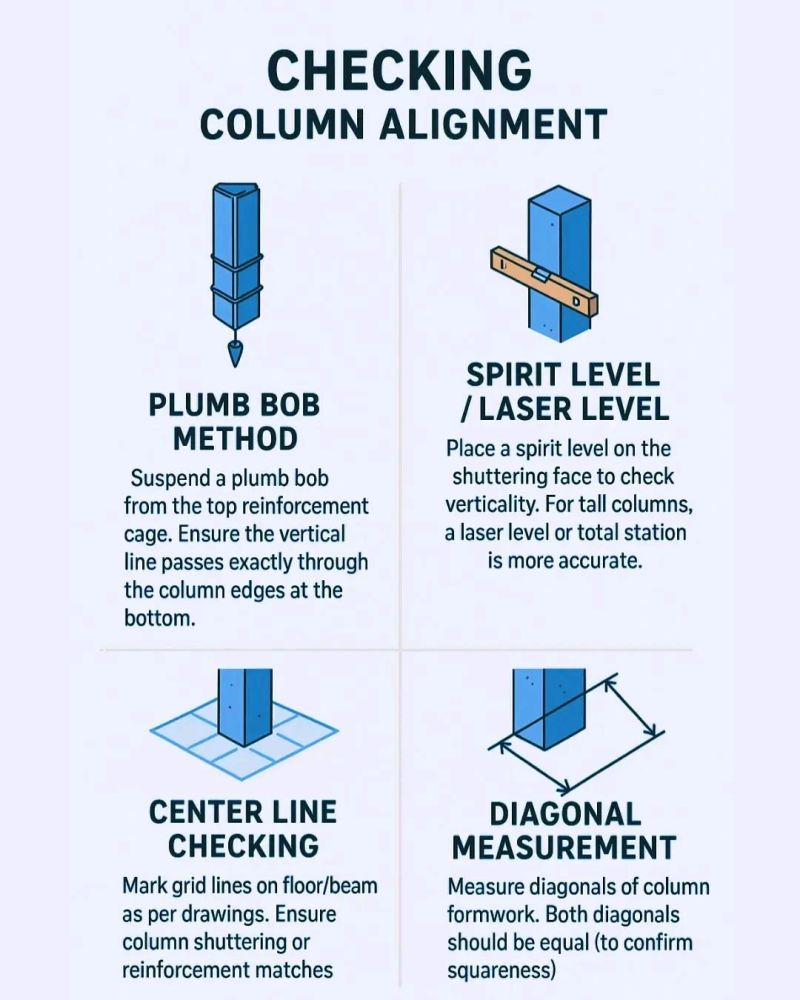
Small mistakes on construction sites can lead to major structural problems. Successful engineers develop a habit of paying close attention to details.
Examples include:
Verifying reinforcement placement before concreting
Checking alignment and dimensions of structural elements
Inspecting materials for quality compliance
Careful inspection helps prevent costly construction errors.
Technical Knowledge with Practical Understanding
While theoretical knowledge is important, successful engineers combine theory with practical construction experience. Understanding real-world construction methods allows engineers to make better decisions during project execution.
Practical knowledge includes:
Construction sequencing
Material handling techniques
Equipment operation awareness
Experience gained on-site strengthens engineering expertise.

Continuous Learning and Professional Growth
The construction industry is constantly evolving with new technologies, materials, and project management methods. Successful engineers continue learning throughout their careers.
Continuous learning may involve:
Learning advanced engineering software
Studying new construction techniques
Participating in professional training programs
Engineers who stay updated with industry trends remain competitive in the job market.
Conclusion
Success in civil engineering depends not only on technical knowledge but also on a combination of hidden professional skills. Communication, leadership, problem-solving, time management, and adaptability play a vital role in managing construction projects effectively.
Engineers who develop these skills can handle complex challenges on construction sites and build successful careers in the construction industry. By combining technical expertise with strong interpersonal abilities, civil engineers can contribute significantly to the successful completion of infrastructure and building projects.
In real-world civil engineering practice, the most successful engineers are those who master both technical knowledge and practical professional skills.


Comments