
The Hidden Engineering Behind Mega Airports

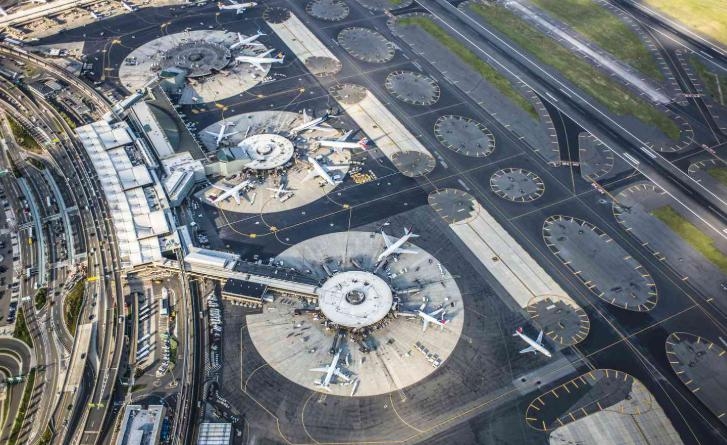
Mega airports are among the most complex engineering achievements of the modern world. While millions of travelers experience the visible side of airports terminals, runways, security checks, and boarding gates few realize the extraordinary engineering systems operating behind the scenes. From advanced structural design to underground fuel networks and highly sophisticated air traffic systems, mega airports represent a perfect combination of civil engineering, technology, and large-scale infrastructure planning. These aviation hubs are essentially small cities designed to function with precision every second of the day.

One of the most crucial engineering aspects of a mega airport is runway construction. Unlike ordinary roads, airport runways must withstand the repeated impact of aircraft weighing hundreds of tons during takeoff and landing. Engineers design runways using multiple pavement layers, including compacted soil, aggregate base layers, and specialized asphalt or reinforced concrete surfaces. The materials are carefully selected to resist cracking caused by temperature fluctuations, friction, and the immense pressure generated by aircraft tires. Airports such as Dubai International Airport and Hartsfield–Jackson Atlanta International Airport manage thousands of aircraft movements daily, making runway durability absolutely critical.
Another hidden engineering marvel lies beneath the airport itself underground utility systems. Mega airports contain extensive networks of water pipelines, sewage systems, electrical distribution tunnels, communication cables, and underground fuel pipelines. Instead of relying on fuel trucks for every aircraft, many major airports use underground hydrant fueling systems that directly transport aviation fuel from storage facilities to aircraft parking bays. This significantly improves operational efficiency while reducing traffic congestion on the ground. Designing these systems requires careful planning to ensure safety, fire prevention, and uninterrupted service.
The terminal structure itself is another extraordinary feat of engineering. Modern airports are designed to accommodate millions of passengers annually while maintaining safety, comfort, and smooth passenger flow. Engineers use massive steel frameworks, reinforced concrete columns, and lightweight roofing materials to construct large open spaces without excessive internal support columns. This allows better visibility and smoother crowd movement. Airports like Singapore Changi Airport are famous not only for their passenger experience but also for innovative structural engineering that combines aesthetics with functionality.

Perhaps one of the most sophisticated systems inside mega airports is the automated baggage handling network. Most passengers never realize that their luggage travels through kilometers of conveyor belts, barcode scanners, RFID tracking systems, and automated sorting machines before reaching the aircraft. Engineers design these systems to process thousands of bags per hour with extremely low error rates. In some airports, artificial intelligence helps predict baggage flow and optimize routing in real time. A single failure in this system can disrupt thousands of passengers, making reliability a major engineering priority.
Air traffic control infrastructure forms another invisible but critical engineering layer. Every arriving and departing aircraft depends on radar systems, navigation beacons, communication towers, satellite tracking, and advanced software systems that guide aircraft safely through crowded airspace. Engineers must integrate these technologies with backup systems to ensure zero downtime. Even a few seconds of system failure can have serious consequences. Control towers at airports like Heathrow Airport coordinate hundreds of flights every day using highly sophisticated aviation technology.
Energy management is equally important. Mega airports consume enormous amounts of electricity for lighting, cooling systems, escalators, elevators, digital displays, security equipment, and aircraft support systems. Engineers increasingly incorporate sustainable infrastructure such as solar power plants, rainwater harvesting systems, energy-efficient HVAC systems, and smart lighting controls. For example, Cochin International Airport became globally recognized as the world’s first fully solar-powered airport, demonstrating how engineering can combine sustainability with large-scale infrastructure.
Another lesser-known engineering challenge is drainage and weather management. During heavy rainfall, airport runways cannot afford water accumulation because even a small layer of water can reduce tire friction and create dangerous landing conditions. Engineers design highly advanced drainage systems capable of removing water almost instantly. In colder regions, specialized heating systems or de-icing technologies are integrated to prevent ice formation on runways and aircraft surfaces.
Security infrastructure also depends heavily on engineering innovation. Airports use structural blast-resistant designs, surveillance networks, biometric scanning systems, and advanced passenger screening technology to maintain safety. Engineers work alongside cybersecurity specialists to protect digital systems from hacking attempts, especially because modern airports rely heavily on interconnected automated systems.
In many ways, mega airports function like highly engineered ecosystems where every structure, machine, and digital network must operate in perfect coordination. They are not simply transportation hubs but masterpieces of modern civil, structural, electrical, and systems engineering. As global air travel continues to grow, future airports will become even more technologically advanced, integrating artificial intelligence, automation, and sustainable design principles.
The next time people walk through an airport, they may only notice the departure boards and crowded terminals. Hidden beneath that everyday experience, however, lies one of humanity’s most sophisticated engineering achievements an invisible network of systems working together to keep the world connected.


Comments