
The Growing Importance of Carbon-Neutral Construction
- Anjali Regmi
- Jun 12
- 5 min read

The construction industry has long been one of the largest contributors to global carbon emissions. From the extraction of raw materials to building operations and eventual demolition, every stage of a structure's life cycle generates greenhouse gases. As concerns about climate change continue to intensify, governments, businesses, engineers, and communities around the world are focusing on reducing environmental impacts.
One of the most significant developments in this effort is the rise of carbon-neutral construction. Today, carbon-neutral construction is no longer just an environmental goal it is becoming a necessity for the future of the built environment.
Understanding Carbon-Neutral Construction
Carbon-neutral construction refers to designing, constructing, operating, and maintaining buildings in a way that results in net-zero carbon emissions. This means that any carbon dioxide emitted during the construction process is minimized as much as possible, while the remaining emissions are offset through renewable energy generation, carbon capture initiatives, or environmental restoration projects.
The concept covers both operational carbon and embodied carbon. Operational carbon includes emissions generated from heating, cooling, lighting, and powering a building during its lifespan. Embodied carbon refers to emissions produced during the extraction, manufacturing, transportation, and installation of construction materials such as cement, steel, bricks, and glass.
For decades, construction professionals focused primarily on reducing operational energy consumption. However, as buildings become more energy-efficient, embodied carbon has emerged as a major concern. Modern carbon-neutral construction seeks to address both aspects simultaneously.
Why Carbon-Neutral Construction Matters
The construction sector is responsible for a significant share of global greenhouse gas emissions. Buildings consume enormous amounts of energy and require vast quantities of materials whose production processes are carbon-intensive. Cement manufacturing alone accounts for a considerable percentage of worldwide carbon dioxide emissions.
As urbanization continues and populations grow, the demand for new infrastructure, housing, commercial buildings, and transportation facilities is increasing. Without changes in construction practices, carbon emissions from the sector could rise substantially in the coming decades.
Carbon-neutral construction offers a practical solution to this challenge. By reducing emissions throughout the building life cycle, the industry can contribute significantly to global climate goals while creating healthier and more sustainable communities.
Environmental Benefits
One of the most obvious advantages of carbon-neutral construction is its positive impact on the environment. Lower carbon emissions help slow global warming and reduce the severity of climate-related events such as floods, droughts, heatwaves, and storms.
Carbon-neutral buildings also encourage responsible resource use. Sustainable construction practices often involve recycled materials, renewable energy systems, water conservation measures, and waste reduction strategies. These practices help preserve natural resources and minimize environmental degradation.
In addition, green buildings often improve local ecosystems by incorporating green roofs, urban gardens, rainwater harvesting systems, and biodiversity-friendly landscaping. Such features contribute to cleaner air, improved water management, and enhanced urban resilience.
Economic Advantages
Many people assume that carbon-neutral construction is significantly more expensive than traditional building methods. While initial costs may sometimes be higher, the long-term financial benefits often outweigh the upfront investment.
Energy-efficient buildings consume less electricity and fuel, leading to lower operating expenses throughout their lifespan. High-performance insulation, efficient HVAC systems, smart building technologies, and renewable energy installations reduce utility costs considerably.
Carbon-neutral buildings also tend to have higher market value. Buyers, tenants, and investors increasingly prefer environmentally responsible properties due to their lower operating costs and reduced environmental impact. As sustainability regulations become stricter, carbon-neutral buildings are likely to remain more competitive in the real estate market.
Furthermore, governments in many countries offer incentives, tax benefits, grants, and certification advantages for sustainable construction projects, improving financial feasibility for developers.

The Role of Sustainable Materials
One of the most important aspects of carbon-neutral construction is the selection of sustainable building materials. Traditional materials such as concrete and steel have high carbon footprints due to energy-intensive manufacturing processes.
To address this challenge, engineers and architects are increasingly exploring alternatives such as:
Low-carbon concrete mixes
Recycled steel
Cross-laminated timber (CLT)
Bamboo-based construction materials
Recycled plastic composites
Fly ash and slag-based cement substitutes
Reclaimed construction materials
These materials reduce embodied carbon while maintaining structural performance and durability. Innovations in material science continue to provide new opportunities for lowering emissions without compromising safety or quality.
Renewable Energy Integration
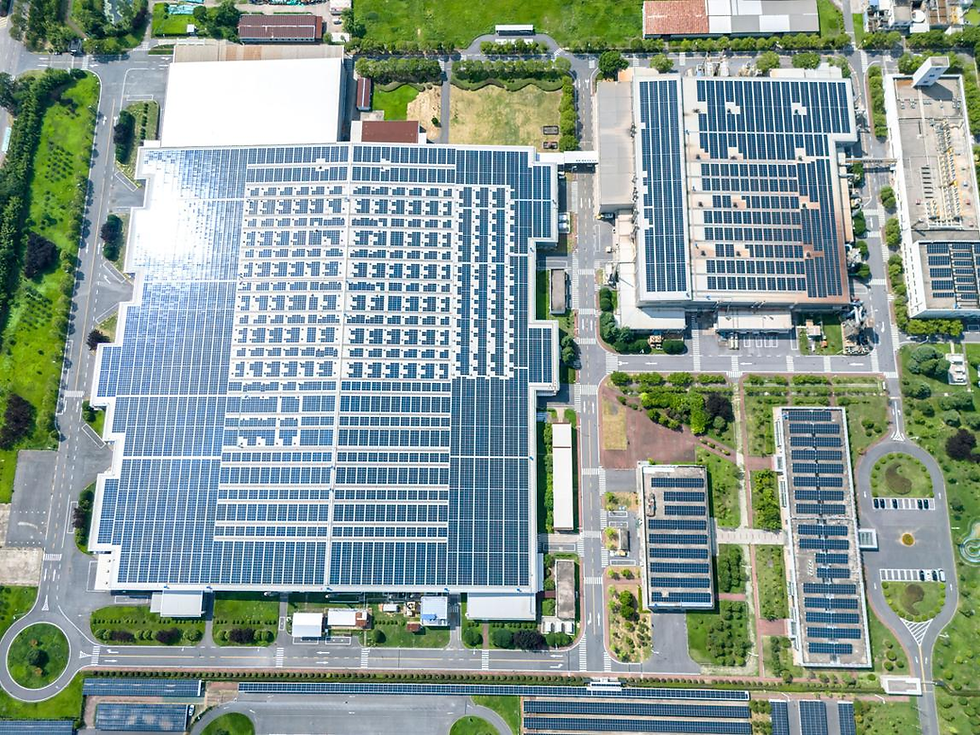
Renewable energy plays a critical role in achieving carbon neutrality. Modern buildings increasingly incorporate solar panels, wind turbines, geothermal systems, and energy storage technologies.
Solar photovoltaic systems are particularly popular because they can generate electricity directly on-site, reducing dependence on fossil-fuel-based power grids. Combined with battery storage systems, renewable energy installations help buildings operate with minimal carbon emissions.
Smart energy management systems further optimize energy consumption by monitoring usage patterns and automatically adjusting lighting, heating, cooling, and ventilation systems. These technologies improve efficiency while reducing operational carbon footprints.

The Impact of Digital Technologies
Technological advancements are transforming how carbon-neutral buildings are designed and constructed. Tools such as Building Information Modeling (BIM), artificial intelligence, digital twins, and advanced simulation software enable engineers to optimize building performance before construction begins.
BIM allows project teams to evaluate material quantities, energy performance, and carbon impacts during the design phase. This helps identify opportunities to reduce emissions and avoid waste.
Artificial intelligence can analyze large datasets to recommend energy-efficient designs, while digital twins provide real-time monitoring of building performance after completion. These technologies support continuous improvements in sustainability and operational efficiency.
Government Regulations and Industry Standards
Governments around the world are introducing stricter environmental regulations to reduce emissions from the construction sector. Many countries have established net-zero targets and are implementing building codes that encourage or require sustainable practices.
Green building certification systems such as:
LEED
BREEAM
IGBC
provide frameworks for measuring and verifying sustainability performance. These standards encourage developers to adopt carbon-neutral strategies and demonstrate environmental responsibility.
As regulations continue to evolve, construction professionals who understand carbon-neutral principles will be better positioned to meet future compliance requirements.
Challenges to Implementation
Despite its benefits, carbon-neutral construction faces several challenges. Higher upfront costs, limited availability of sustainable materials, lack of specialized expertise, and resistance to change can slow adoption.
Accurately measuring embodied carbon remains complex, particularly for large infrastructure projects involving extensive supply chains. In some regions, renewable energy infrastructure and green material suppliers are still developing, creating logistical challenges.
Education and training are also essential. Engineers, architects, contractors, and project managers must develop new skills and knowledge to effectively implement carbon-neutral construction practices.
However, ongoing technological advancements, supportive policies, and growing market demand are helping overcome these barriers.
Future Outlook
The future of construction is increasingly tied to sustainability. As climate concerns grow and environmental regulations become more stringent, carbon-neutral construction is expected to move from a competitive advantage to an industry standard.
Emerging innovations such as carbon-capturing concrete, 3D-printed sustainable buildings, advanced energy storage systems, and AI-driven design optimization will further reduce the industry's environmental impact. The integration of circular economy principles where materials are reused, recycled, and repurposed will also play a significant role in achieving carbon neutrality.
For civil engineers, architects, and construction professionals, understanding carbon-neutral construction will become an essential skill rather than an optional specialization.

Conclusion
Carbon-neutral construction represents one of the most important transformations in the modern construction industry. By reducing both operational and embodied carbon emissions, it offers a pathway toward sustainable urban development and environmental protection. Beyond its environmental benefits, carbon-neutral construction delivers economic value, regulatory compliance, energy efficiency, and long-term resilience.
As governments, businesses, and communities work toward global climate goals, the adoption of carbon-neutral construction practices will continue to accelerate. For civil engineers and construction professionals, embracing these principles is not only an opportunity to innovate but also a responsibility to help create a more sustainable future for generations to come.


Comments