
The Billion-Dollar Problem of Aging Infrastructure Nobody Talks About

Infrastructure is the invisible foundation of modern civilization. Roads, bridges, railways, dams, water supply systems, power grids, airports, tunnels, and sewage networks quietly support everyday life, allowing cities and economies to function smoothly. Most people rarely think about infrastructure unless something goes wrong. However, across the world, nations are facing a massive challenge that often remains under-discussed despite its enormous consequences: aging infrastructure. This billion-dollar problem is becoming one of the most critical issues governments, engineers, and communities must confront in the coming decades.
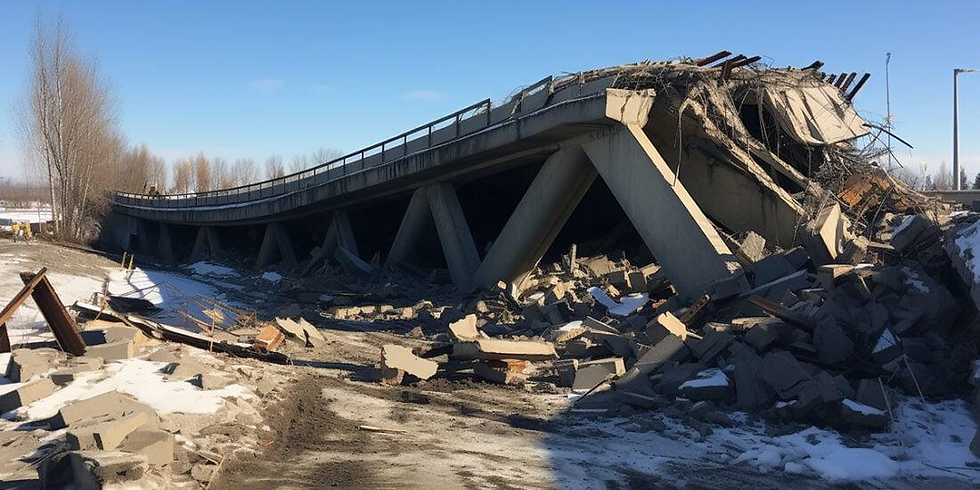
Much of the world’s infrastructure was built during periods of rapid industrialization and economic growth in the mid-20th century. In countries like United States, major highway systems, bridges, and water distribution networks were constructed between the 1950s and 1970s. Similar development occurred across Europe and parts of Asia. Engineers designed these structures with expected service lives ranging between 30 and 100 years depending on the material, design standards, and environmental exposure. Today, a significant portion of these systems is reaching or exceeding those original design limits.
The biggest concern with aging infrastructure is deterioration over time. Concrete cracks due to repeated stress cycles, moisture infiltration, and chemical reactions. Steel structures suffer from corrosion caused by oxidation and environmental exposure. Underground pipelines gradually weaken due to soil movement, pressure fluctuations, and material degradation. Electrical grids experience wear in transformers, substations, and transmission lines. These failures often begin slowly and remain unnoticed until they escalate into serious structural or operational problems. By the time visible damage appears, repair costs may have multiplied significantly.
Bridges represent one of the most visible examples of infrastructure aging. Thousands of bridges around the world are classified as structurally deficient or functionally obsolete. While this does not necessarily mean they are unsafe for immediate use, it indicates serious maintenance concerns that require attention. Bridge deterioration can disrupt transportation systems, slow economic activity, and in extreme cases, cause catastrophic collapse. The tragic collapse of the I-35W Mississippi River Bridge collapse in Minnesota in 2007 served as a reminder of what can happen when infrastructure weaknesses combine with design limitations and maintenance issues.
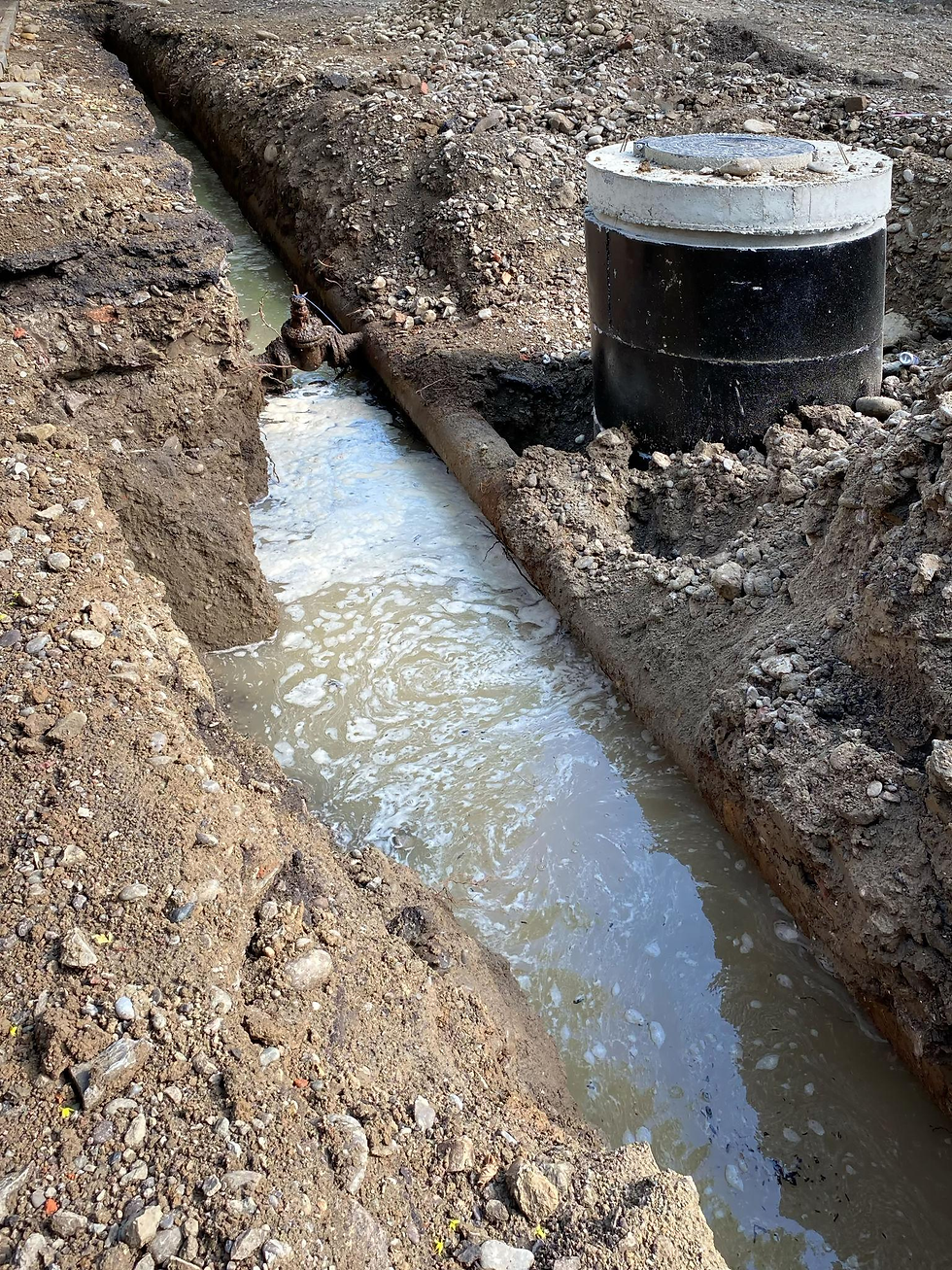
Water infrastructure presents another major challenge. Cities depend on underground water distribution systems that are often decades old. In many urban areas, pipes installed 50 to 100 years ago continue operating far beyond their intended lifespan. Corrosion, leaks, and pipe bursts waste enormous quantities of treated water every year. Aging sewage systems also struggle to handle growing populations and modern demand. In some cities, outdated wastewater networks can overflow during heavy rainfall, contaminating rivers and affecting public health.
The water crisis in Flint demonstrated how deteriorating water systems combined with poor management decisions can create serious health emergencies.
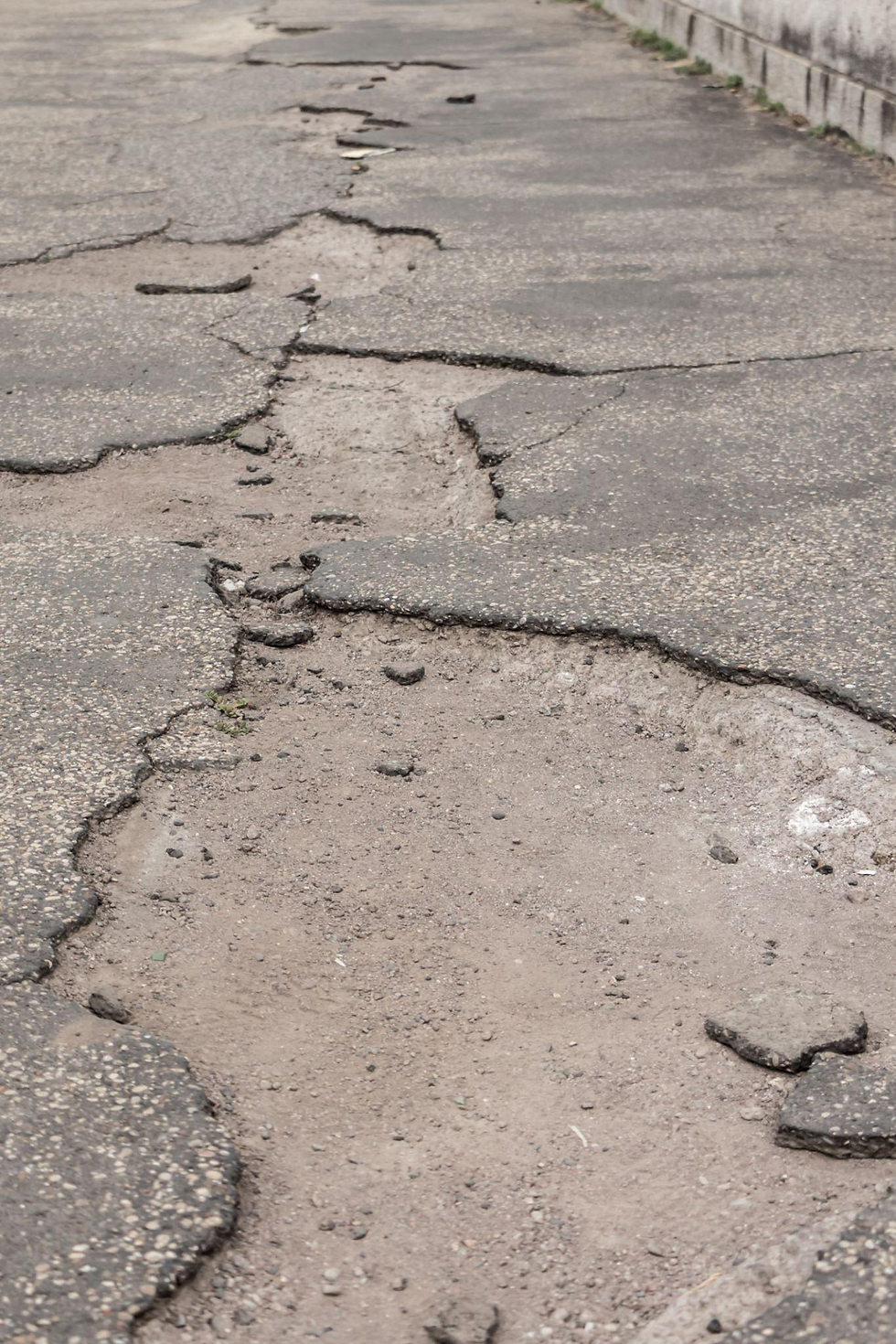
Transportation infrastructure faces similar challenges. Highways experience repeated stress from increasing traffic volumes, especially heavy commercial vehicles. Asphalt pavements develop cracks, potholes, and subsurface weaknesses that worsen over time. Railway networks require constant track maintenance to prevent derailments and ensure safe operations. Airports built decades ago often struggle to accommodate modern passenger volumes and larger aircraft. When governments postpone maintenance to reduce immediate spending, small problems gradually transform into expensive reconstruction projects.
One reason aging infrastructure becomes a billion-dollar problem is deferred maintenance. Governments frequently prioritize new infrastructure projects because they are more visible and politically attractive. Building a new highway generates public attention, while repairing underground drainage pipes often goes unnoticed. As a result, maintenance budgets are delayed or reduced year after year. Engineers often describe this as the “fix-it-later” problem. Unfortunately, infrastructure deterioration does not pause when maintenance is postponed. Delaying repairs by a few years can multiply long-term costs dramatically.
Climate change is making the situation worse. Infrastructure designed decades ago was built for environmental conditions that are changing rapidly today. Rising temperatures cause thermal expansion in bridges and roads. Increased rainfall places additional stress on drainage systems. Coastal infrastructure faces accelerated corrosion from saltwater intrusion and rising sea levels. Extreme weather events such as floods, hurricanes, and heatwaves expose weaknesses in aging structures much faster than engineers originally anticipated. Infrastructure that once performed adequately may now face conditions beyond its design capacity.
The economic impact of infrastructure failure is enormous. Road closures from damaged bridges increase travel time, fuel consumption, and supply chain delays. Water pipe failures interrupt residential and industrial operations. Power grid failures disrupt businesses, hospitals, and communication networks. Major infrastructure failures can cost economies billions of dollars annually in lost productivity. For developing countries, limited maintenance funding creates even greater challenges because infrastructure demand continues growing alongside population expansion and urbanization.
Technology is offering solutions to address aging infrastructure more effectively. Modern civil engineers increasingly use sensors and smart monitoring systems embedded in structures to detect early warning signs of deterioration. Structural Health Monitoring systems measure vibration patterns, stress levels, corrosion rates, and material behavior in real time. Drones equipped with cameras inspect bridges, towers, and dams faster and more safely than traditional manual inspections. Artificial intelligence helps engineers predict maintenance requirements before serious failures occur, reducing both costs and risk.
Governments are also exploring new financing models. Public-private partnerships allow private companies to invest in infrastructure maintenance in exchange for long-term operational agreements. Asset management systems help prioritize repairs based on urgency rather than political pressure. Instead of reacting after failures occur, many engineering organizations now promote preventive maintenance strategies that identify problems early and extend infrastructure lifespan.
For civil engineers, aging infrastructure represents both a challenge and an opportunity. Future engineers will spend increasing amounts of time not only designing new structures but rehabilitating existing ones. Skills in structural retrofitting, repair technologies, sustainability assessment, materials science, and predictive maintenance are becoming essential. Engineers must learn how to upgrade old systems while adapting them for modern demands and future climate conditions.
The reality is simple: infrastructure is aging faster than many governments are prepared to address. While new skyscrapers and megaprojects capture public attention, hidden beneath cities are water pipes, tunnels, electrical systems, and transportation networks quietly approaching failure. The billion-dollar problem of aging infrastructure affects safety, economic growth, environmental sustainability, and quality of life worldwide.
The future of modern civilization will depend not only on building new infrastructure but on preserving and modernizing the systems already supporting society. For the next generation of civil engineers, solving the challenge of aging infrastructure may become one of the most important engineering responsibilities of the 21st century.


Comments