
Structural Failures in Civil Engineering Causes Case Studies and Preventive Measures
- Anjali Regmi
- Mar 24
- 3 min read

Introduction to Structural Failures
Structural failure is one of the most critical concerns in civil engineering. It occurs when a structure is unable to perform its intended function safely, leading to partial or complete collapse.
For students and freshers, understanding structural failures is essential because it highlights the importance of proper design, material selection, and construction practices. Learning from failures helps engineers prevent future disasters.
Types of Structural Failures
Structural failures can occur in different forms depending on the cause and nature of the problem.
They may include foundation failure, material failure, design failure, or construction failure.
Each type has unique characteristics, and identifying the type is the first step in analyzing the issue.
Design Errors and Their Impact
Design errors are one of the major causes of structural failure.
Incorrect load calculations, improper reinforcement detailing, and ignoring environmental factors can lead to unsafe structures.
In theory, design is based on calculations and codes. On site, these designs must accurately reflect real conditions.
Material Failure and Quality Issues
Poor quality materials can significantly reduce the strength and durability of structures.
For example, low grade concrete or defective steel can lead to cracks and eventual failure.
Proper testing and quality control are essential to prevent such issues.
Construction Errors and Poor Workmanship

Even with a perfect design, poor construction practices can lead to failure.
Common issues include improper mixing of concrete, incorrect placement of reinforcement, and inadequate curing.
On site, supervision and adherence to procedures are critical to avoid these mistakes.
Foundation Failures and Soil Issues
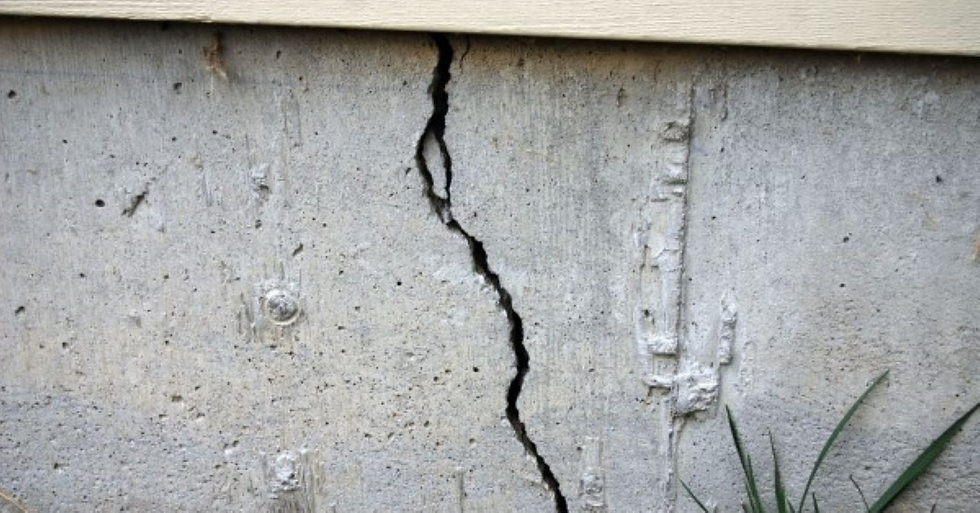
Foundation failure occurs when the soil cannot support the load of the structure.
Causes include poor soil investigation, incorrect foundation design, and unexpected soil conditions.
This can lead to uneven settlement, tilting, or collapse of structures.
Environmental and Natural Factors
Environmental conditions such as earthquakes, floods, and strong winds can also cause structural failures.
Structures must be designed to withstand these forces.
Ignoring environmental factors during design increases the risk of failure.
Case Studies of Structural Failures
Studying real world failures provides valuable lessons for engineers.
Examples of building collapses and bridge failures highlight the consequences of poor design, material quality, or construction practices.
Analyzing these cases helps in understanding what went wrong and how similar issues can be avoided.
Warning Signs of Structural Failure
Early detection of structural issues can prevent major failures.
Common signs include cracks in walls, deflection of beams, corrosion of reinforcement, and settlement of foundations.
Engineers must regularly inspect structures to identify these warning signs.
Preventive Measures in Design and Construction

Preventing structural failure requires a combination of proper design, quality materials, and good construction practices.
Engineers must follow design codes, conduct regular inspections, and ensure proper execution on site.
Quality control and safety measures play a key role in prevention.
Role of Maintenance and Inspection
Regular maintenance is essential for the long term performance of structures.
Structures should be inspected periodically to identify and repair damages.
Proper maintenance extends the life of structures and reduces the risk of failure.
Integration of Theory and Field Practice
Structural failures highlight the importance of connecting theory with practice.
Concepts learned in classrooms must be applied correctly on site.
Engineers who understand both aspects can design safer and more reliable structures.
Skills Required to Prevent Structural Failures
Engineers need strong analytical skills to identify potential risks.
Attention to detail and knowledge of materials and construction processes are essential.
Decision making and problem solving skills help in handling critical situations.
Conclusion
Structural failures are serious events that can lead to loss of life and property.
For students and freshers, understanding their causes and preventive measures is essential for becoming responsible engineers.
By combining technical knowledge with practical experience and strict quality control, engineers can ensure safe and durable construction.


Comments