
Structural Cracks in RCC Buildings: Real Site Causes, Engineering Mistakes & Prevention Strategies
- Anjali Regmi
- Mar 3
- 3 min read

Cracks in reinforced cement concrete (RCC) structures are one of the most common yet misunderstood problems in construction projects. While minor cracks are sometimes considered normal, many cracks indicate deeper structural, material, or execution failures. In real construction environments, cracks rarely occur due to design errors alone. They are often the result of poor curing, improper reinforcement placement, weak supervision, thermal effects, or settlement issues.
For civil engineers, understanding the types, causes, and prevention of structural cracks is critical. Cracks are not just aesthetic defects — they can compromise durability, increase permeability, accelerate steel corrosion, and reduce structural lifespan.
Why Cracks Develop in RCC Structures
Concrete is strong in compression but weak in tension. When tensile stresses exceed the tensile capacity of concrete, cracks develop. These stresses can originate from:
Shrinkage during drying
Temperature changes
Structural loading
Foundation settlement
Poor reinforcement detailing

Types of Cracks Observed on Construction Sites
1. Plastic Shrinkage Cracks
These occur shortly after pouring due to rapid moisture evaporation, especially in hot and windy conditions.
2. Settlement Cracks
Uneven soil settlement beneath foundations causes vertical or diagonal cracks in walls and beams.
3. Thermal Cracks
Temperature variation during hydration creates internal stresses in mass concrete elements.
4. Structural Load Cracks
Overloading or insufficient reinforcement causes flexural or shear cracks in beams and slabs.
Real Site Causes Behind Crack Formation
Poor Curing Practices
Inadequate curing reduces hydration and increases shrinkage, leading to surface cracks.
Improper Reinforcement Placement
Insufficient steel or incorrect spacing reduces tensile resistance capacity.
Excess Water in Concrete
High water-cement ratio weakens concrete strength and increases shrinkage.
Early Removal of Formwork
Premature de-shuttering exposes immature concrete to stress.
Structural Risks Associated with Cracks
Water seepage through cracks
Corrosion of reinforcement
Reduced load-carrying capacity
Progressive structural deterioration
Increased maintenance cost
If ignored, minor cracks can expand and evolve into serious structural threats.
Foundation Settlement and Cracking
One of the most severe crack causes is differential settlement. When soil bearing capacity is inadequate or uneven, parts of the structure sink at different rates. This creates diagonal cracks in walls and beams.
Proper soil investigation and compaction reduce settlement risks significantly.
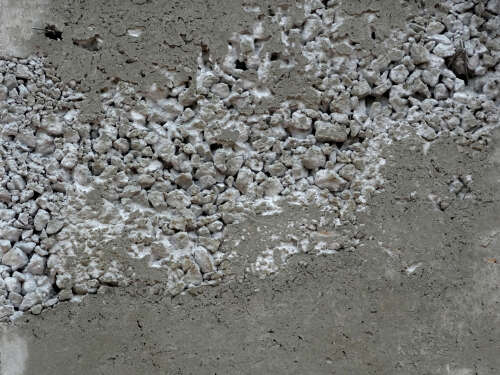
Crack Identification and Assessment
Engineers must differentiate between:
Non-structural cracks (plaster or shrinkage)
Structural cracks affecting load-bearing elements
Crack width, pattern, and location determine severity. Wider cracks in beams or columns require immediate structural evaluation.
Preventive Engineering Measures to Reduce Cracks
Proper Mix Design
Use correct water-cement ratio and approved concrete grade.
Controlled Reinforcement Detailing
Ensure adequate tensile reinforcement and correct lap lengths.
Effective Curing Practices
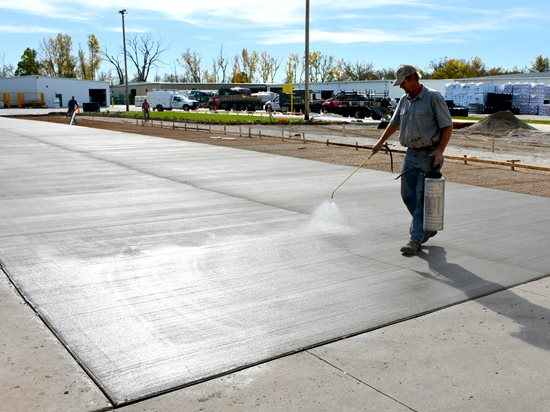
Maintain moisture for recommended duration to reduce shrinkage.
Expansion and Control Joints
Provide joints in large slabs to accommodate thermal movement.
Repair Techniques for Structural Cracks
Depending on severity, cracks can be repaired using:
Epoxy injection
Grouting
Concrete jacketing
Carbon fiber reinforcement
Surface sealing
However, repair is always more expensive than prevention.
Role of Supervision in Crack Prevention
Active supervision during:
Reinforcement placement
Concrete pouring
Curing process
Formwork removal
prevents most crack-inducing errors. Many crack issues arise from negligence rather than technical incapability.
Impact of Environmental Conditions
High temperature, wind, and humidity variation significantly affect concrete behavior. Engineers must adjust curing and pouring schedules according to weather conditions.
Long-Term Consequences of Ignoring Cracks
Reduced structural durability
Increased repair costs
Water leakage issues
Structural weakening over time
Client dissatisfaction
Crack management is a key factor in sustainable construction.
Conclusion: Crack Control Reflects Engineering Discipline
Cracks in RCC buildings are not merely cosmetic defects — they are indicators of underlying structural or execution issues. Most cracks result from improper curing, reinforcement mistakes, excess water addition, settlement, or poor supervision rather than flawed design.
Civil engineers who prioritize proper mix design, disciplined execution, soil assessment, and curing supervision significantly reduce crack formation. In real construction practice, crack prevention demonstrates technical precision, operational control, and commitment to delivering durable and high-performance structures.


Comments