
Site Safety Rules Every Civil Engineer Must Follow
- Anjali Regmi
- Jan 23
- 3 min read

Construction sites are inherently risky environments. Heavy machinery, working at height, electrical systems, excavation, and moving labor all exist together in a dynamic setting. In such conditions, site safety is not optional, it is a professional responsibility of every civil engineer.

Accidents on construction sites not only cause injuries or loss of life but also lead to project delays, legal consequences, financial losses, and damage to professional credibility. This blog explains the most important site safety rules every civil engineer must follow, why they matter, and how engineers play a key role in enforcing safety on construction sites.
Why Site Safety Is Critical in Construction
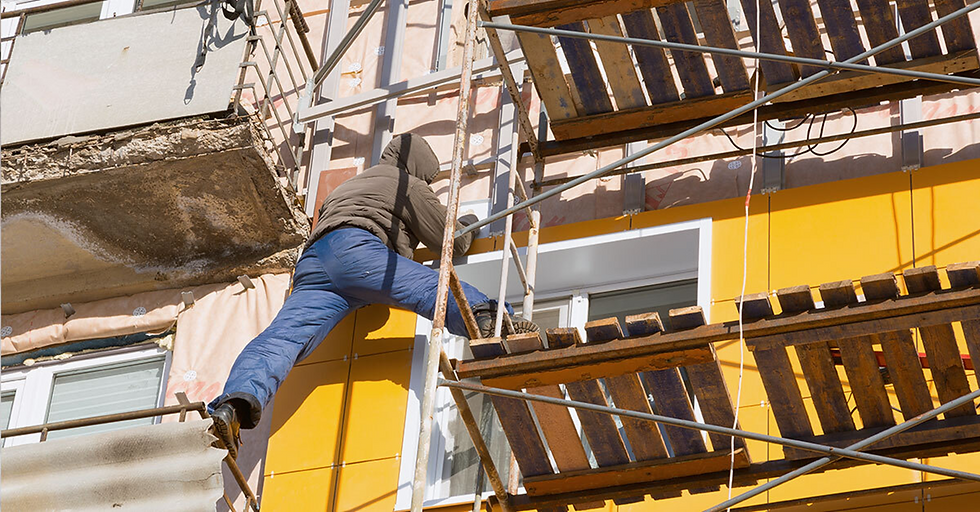
Construction safety is critical because:
Construction sites involve high-risk activities
One unsafe act can affect many workers
Accidents lead to work stoppage and penalties
Engineers are held accountable for negligence
Civil engineers are not just technical supervisors, they are guardians of safety on site.
Role of a Civil Engineer in Site Safety
A civil engineer’s safety responsibilities include:
Identifying potential hazards
Enforcing safety rules
Ensuring safe work methods
Stopping unsafe practices
Educating workers on safety
Ignoring safety issues is considered professional negligence.
1. Mandatory Use of Personal Protective Equipment (PPE)

Common PPE on Construction Sites
Safety helmet
Safety shoes
Reflective jacket
Gloves and goggles (as required)
Engineer’s Responsibility
Ensure PPE availability
Enforce PPE usage consistently
Set example by wearing PPE themselves
If engineers ignore PPE, workers will too.
2. Safety Rules for Working at Height
Working at height is one of the leading causes of fatal accidents in construction.
Key Safety Measures
Proper scaffolding with guardrails
Use of safety harnesses
Secure ladders and access platforms
Prohibition of unsafe makeshift arrangements
Engineers must inspect scaffolding regularly and never allow unsafe access.
3. Excavation and Trench Safety

Excavation-related accidents are often sudden and fatal.
Safety Rules
Proper slope or shoring for deep excavations
Barricading open pits
Safe access for workers
Continuous monitoring of soil conditions
No excavation should proceed without risk assessment and supervision.
4. Electrical Safety on Construction Sites
Temporary electrical arrangements are common on sites and highly dangerous if unmanaged.
Key Safety Practices
Proper earthing of equipment
Use of insulated cables
Avoiding exposed wiring
Regular inspection of electrical tools
Engineers must ensure that only qualified personnel handle electrical work.
5. Safe Operation of Machinery and Equipment
Heavy machinery increases productivity but also risk.
Safety Guidelines
Only trained operators should operate machinery
Machines must be inspected before use
Clear signaling and communication
Safe distance from operating equipment
Civil engineers must coordinate movement and prevent unsafe proximity.
6. Material Storage and Housekeeping Safety
Poor housekeeping leads to slips, trips, and falling hazards.
Best Practices
Proper stacking of materials
Clear access pathways
Safe storage of hazardous materials
Regular site cleaning
A clean site is a safer and more productive site.
7. Safety During Concreting and Formwork Removal
Concreting and shuttering activities involve multiple hazards.
Safety Measures
Proper formwork support and bracing
Controlled removal of shuttering
Restricted access during pouring
Supervised vibration and finishing
Engineers must verify structural stability before and after concreting.
8. Toolbox Talks and Safety Training

Toolbox talks are short safety discussions conducted before work begins.
Why They Matter
Refresh safety awareness
Address daily site hazards
Encourage worker participation
Civil engineers should actively participate and lead by example.
9. Emergency Preparedness on Site
Every construction site must be prepared for emergencies.
Essential Arrangements
First aid kits
Emergency contact numbers
Fire extinguishers
Clear evacuation routes
Engineers must know emergency procedures and act quickly when required.
Common Safety Mistakes Made by Civil Engineers
Ignoring unsafe practices to save time
Assuming workers already know safety rules
Not reporting near-miss incidents
Allowing work under unsafe conditions
Safety shortcuts often lead to serious consequences.
Safety Responsibilities in Interviews
Interviewers frequently ask:
What safety rules are followed on site?
What PPE is mandatory?
What would you do if unsafe work is observed?
Practical safety awareness shows professional maturity.
WHy Safety-Conscious Engineers Grow Faster
Engineers who prioritize safety:
Earn trust of management and clients
Reduce project risks and delays
Are preferred for leadership roles
Protect their professional reputation
Safety leadership is a core management skill.
Safety Is a Culture, Not a Rulebook
Safety should not exist only on paper. It must be practiced daily through:
Awareness
Discipline
Supervision
Accountability
Civil engineers play the most critical role in building a safety culture on site.
Conclusion
Site safety is one of the most important responsibilities of a civil engineer. Structures can be repaired, and delays can be managed, but loss of life is irreversible. Engineers who take safety seriously protect workers, projects, and their own professional integrity.
By following safety rules, enforcing discipline, and leading by example, civil engineers ensure that construction progresses efficiently without compromising human life.
In construction, true professionalism begins with safety.


Comments