
Scaffolding Failures in Construction: How Unsafe Temporary Structures Cause Major Site Accidents
- Anjali Regmi
- Mar 6
- 3 min read

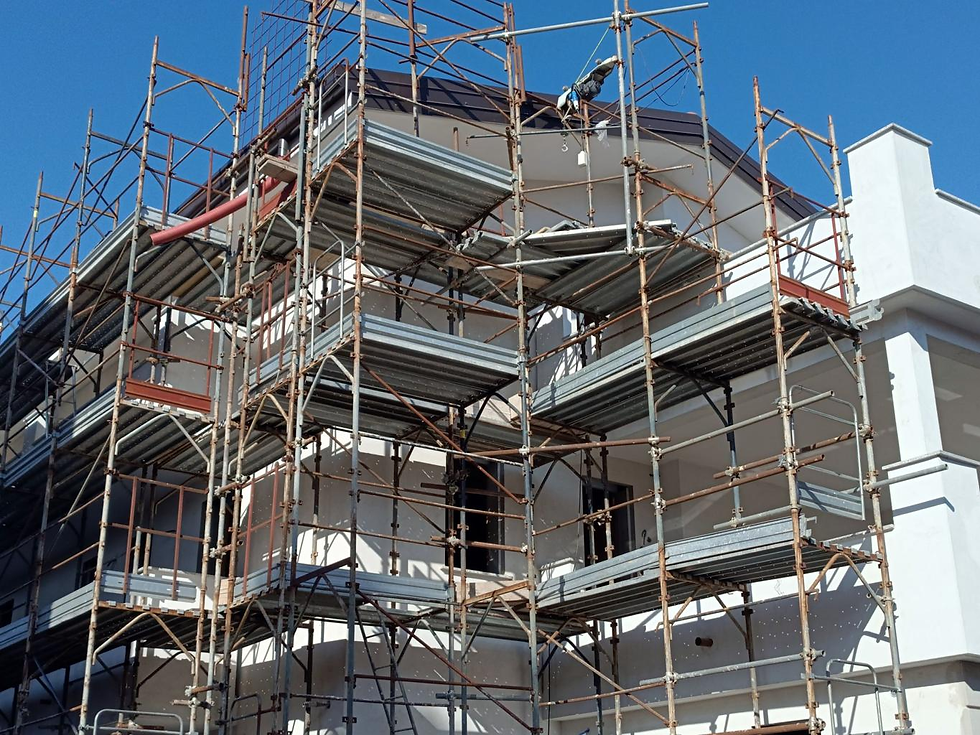
Scaffolding is a temporary structure used on construction sites to support workers and materials during activities such as plastering, painting, masonry work, and structural repairs. Although scaffolding is not part of the permanent structure, its safety and stability are extremely important. Many construction accidents occur due to poorly designed, improperly installed, or poorly maintained scaffolding systems.
In real construction environments, scaffolding failures can lead to serious injuries, fatalities, project delays, and legal consequences. Civil engineers must ensure that scaffolding systems are properly designed, inspected, and used according to safety standards.
Why Scaffolding is Essential in Construction
Scaffolding allows workers to perform tasks safely at elevated heights where ladders or ground-level work are not feasible. Proper scaffolding provides a stable platform for workers and materials.
Benefits of scaffolding include:
Safe access to high work areas
Stable working platforms
Efficient execution of finishing activities
Reduced risk of falls

Common Scaffolding Failures on Construction Sites
Improper Assembly of Scaffolding Components
Incorrect installation of frames, braces, and platforms reduces structural stability.
Overloading of Scaffolding Platforms
Placing excessive materials or equipment on scaffolding can cause collapse.
Weak Foundation for Scaffolding
Scaffolding erected on unstable ground may tilt or collapse.
Lack of Guardrails and Safety Measures
One of the most common safety issues is the absence of guardrails or protective barriers. Without these safety features, workers are exposed to fall hazards while working at heights.
Structural Instability in Scaffolding Systems
Scaffolding must be designed to support both the weight of workers and the materials used during construction activities. When the load exceeds design capacity, the scaffolding may deform or collapse.
Factors contributing to instability include:
Inadequate bracing
Loose connections between components
Uneven support surfaces
Weather Conditions Affecting Scaffolding Safety
Environmental conditions can also influence scaffolding stability.
Strong winds, rain, or slippery surfaces increase the risk of accidents. Wet scaffolding platforms may cause workers to slip, while strong winds may destabilize tall scaffolding structures.
Importance of Scaffolding Inspection
Regular inspection of scaffolding is essential to maintain safety. Inspections should be conducted:
Before starting work each day
After extreme weather conditions
After modifications or relocation of scaffolding

Inspection helps identify loose connections, damaged components, or structural instability.
Role of Civil Engineers in Scaffolding Safety
Site engineers and supervisors are responsible for ensuring safe scaffolding practices. Their responsibilities include:
Verifying proper installation of scaffolding
Ensuring guardrails and safety platforms are installed
Monitoring load limits on scaffolding platforms
Conducting regular safety inspections
Active supervision significantly reduces accident risks.
Personal Protective Equipment for Scaffolding Work
Workers using scaffolding should wear appropriate safety equipment, including:
Safety helmets
Non-slip safety shoes
Safety harnesses when working at heights
Protective gloves
These protective measures reduce injury risk during accidents.
Best Practices for Safe Scaffolding Installation
To ensure scaffolding stability and safety:
Install scaffolding on firm and level ground
Secure all connections and braces properly
Provide guardrails and toe boards
Avoid overloading platforms with materials
Following these practices ensures safe working conditions.
Impact of Scaffolding Accidents on Construction Projects
Scaffolding failures can result in:
Worker injuries or fatalities
Project delays
Legal penalties for contractors
Increased insurance costs
Safety incidents can severely affect the progress and reputation of construction projects.
Modern Safety Improvements in Scaffolding Systems
Modern construction projects use prefabricated modular scaffolding systems designed for improved safety and stability. These systems allow faster installation and better load distribution compared to traditional bamboo or wooden scaffolding.
Conclusion: Scaffolding Safety Protects Workers and Projects
Scaffolding plays a crucial role in construction activities performed at heights. Although it is a temporary structure, its safety must be treated with the same importance as permanent structural elements. Most scaffolding failures occur due to poor installation, overloading, lack of safety equipment, or insufficient supervision.
Civil engineers who ensure proper scaffolding design, conduct regular inspections, and enforce safety standards create safer working environments for construction workers. In real construction practice, safe scaffolding management reflects strong leadership, technical responsibility, and commitment to protecting human life.


Comments