
Safety Standards and Quality Control in Civil Engineering Theory and Practice
- Anjali Regmi
- Mar 22
- 3 min read

Introduction to Safety and Quality in Civil Engineering
Safety and quality control are two of the most critical aspects of civil engineering. No matter how strong the design or how advanced the technology, a project cannot be considered successful if it compromises on safety or quality.
For students and freshers, these topics are often theoretical. However, on construction sites, they become daily responsibilities that directly impact human lives and structural performance.
Importance of Safety in Construction
Construction sites are high risk environments involving heavy machinery, heights, and hazardous materials.
Ensuring safety is not just a regulatory requirement but a moral responsibility. Accidents can lead to injuries, delays, and financial losses.
Engineers must ensure that all workers follow safety protocols and use proper protective equipment.
Basic Safety Rules on Construction Sites
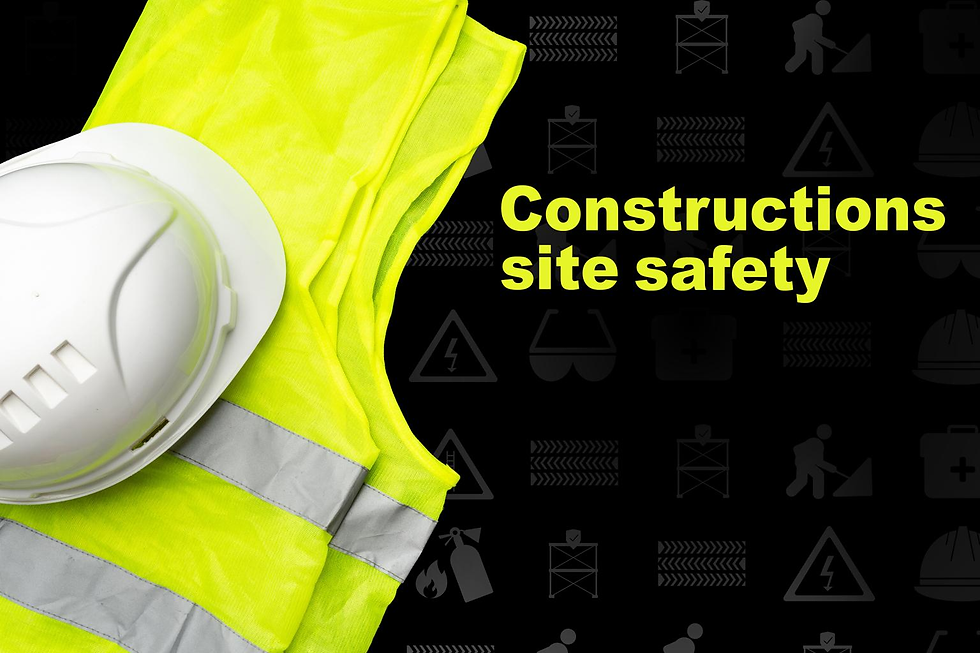
Some basic safety rules must always be followed on site.
Workers should wear personal protective equipment such as helmets, gloves, safety shoes, and reflective jackets.
Proper signage should be displayed to warn about hazards. Regular safety briefings should be conducted to keep workers informed.
Following these rules reduces the risk of accidents significantly.
Safety Management and Risk Assessment
Safety management involves identifying potential hazards and taking preventive measures.
Risk assessment helps engineers understand possible dangers and plan actions to minimize them.
For example, working at heights requires safety harnesses and secure scaffolding.
Effective safety management ensures a safe working environment.
Quality Control in Civil Engineering
Quality control ensures that construction work meets required standards and specifications.
It involves checking materials, workmanship, and processes at every stage of construction.
Maintaining quality is essential for the durability and performance of structures.
Material Quality Testing

Material testing is a key part of quality control.
Tests such as concrete cube test, steel tensile test, and cement testing ensure that materials meet required standards.
On site, field tests are also conducted to verify material quality before use.
Inspection and Supervision on Site
Regular inspection is necessary to maintain quality during construction.
Engineers must check whether work is being carried out as per drawings and specifications.
Supervision ensures that errors are identified early and corrected before they become major issues.
Quality Assurance Procedures
Quality assurance involves systematic processes to ensure consistent quality.
It includes documentation, standard procedures, and regular audits.
Following these procedures helps maintain uniformity and reliability in construction projects.
Common Safety Violations and Quality Issues
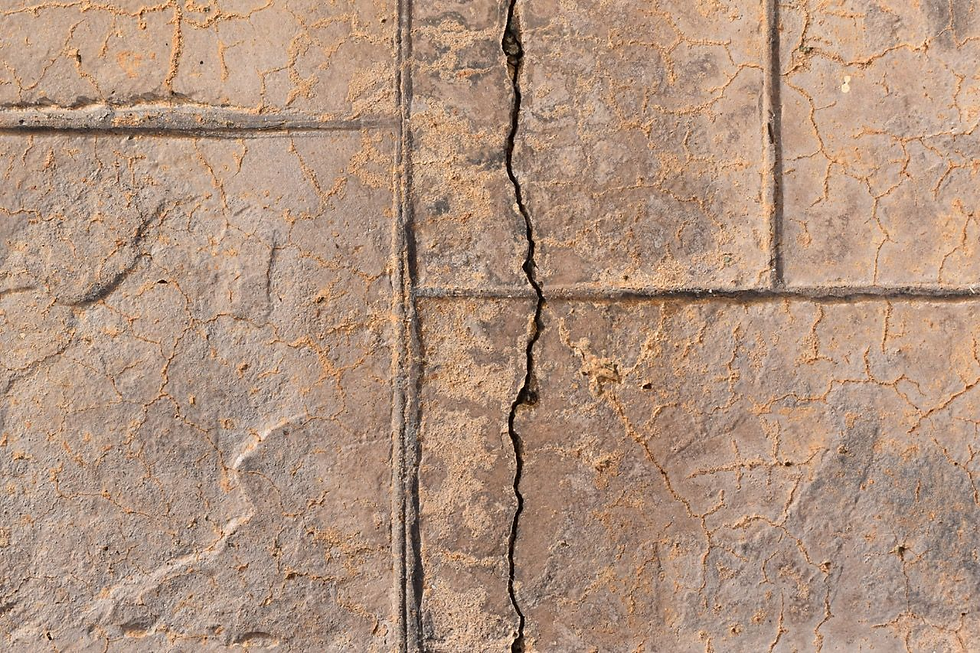
In real projects, safety violations and quality issues are common if proper monitoring is not done.
Examples include workers not wearing protective equipment, improper scaffolding, and use of poor quality materials.
Quality issues such as cracks, honeycombing, and uneven surfaces can affect structural performance.
Understanding these problems helps engineers take corrective actions.
Role of Standards and Codes
Safety and quality are governed by standards and codes.
These guidelines provide rules for construction practices, material usage, and testing procedures.
Engineers must be familiar with these standards to ensure compliance and maintain project quality.
Challenges in Maintaining Safety and Quality
Maintaining safety and quality on site is challenging due to factors like time pressure, cost constraints, and labor issues.
For example, rushing work to meet deadlines may lead to compromised safety or poor workmanship.
Engineers must balance efficiency with safety and quality requirements.
Integration of Theory and Site Practice
Safety and quality control are not just theoretical concepts. They must be implemented consistently on site.
Concepts learned in classrooms are applied in real projects through inspections, testing, and supervision.
Engineers who understand both theory and practice can ensure better project outcomes.
Skills Required for Safety and Quality Management
To manage safety and quality effectively, engineers need strong observation and decision making skills.
They must be detail oriented, proactive, and capable of handling responsibilities under pressure.
Communication skills are also important for guiding workers and coordinating with teams.
Conclusion
Safety standards and quality control are essential for successful civil engineering projects.
For students and freshers, understanding these aspects is crucial for building a strong professional foundation.
By combining theoretical knowledge with practical implementation, engineers can ensure safe, reliable, and high quality construction.


Comments