
Real-Life Safety Failures on Construction Sites and Lessons Every Civil Engineer Must Learn
- Anjali Regmi
- Feb 7
- 4 min read

Introduction
Construction sites are inherently hazardous environments where heavy machinery, working at height, deep excavations, electrical systems, and manual labor operate simultaneously. Despite safety manuals, regulations, and toolbox talks, construction site accidents continue to claim lives and cause permanent injuries. Most of these incidents are not unavoidable accidents but the result of predictable safety failures. For civil engineers, especially those working on site, understanding real-life safety failures is not optional it is a professional responsibility.

Understanding Safety Failure in Construction Projects
Safety failure on a construction site rarely happens due to a single mistake. It is usually the outcome of repeated negligence, weak supervision, poor planning, and a culture that prioritizes speed and cost over human life. Warning signs such as minor injuries, unsafe shortcuts, and ignored near-miss incidents are often overlooked until a major accident occurs. From an engineering perspective, safety failure reflects a breakdown in systems, not just individual behavior.
Fall-from-Height Accidents Due to Poor Scaffolding and Edge Protection
One of the most common and deadly safety failures on construction sites is falling from height. Improperly designed scaffolding, missing guardrails, weak planks, and absence of safety nets create extremely dangerous conditions. In many real projects, scaffolding is assembled by untrained workers without proper anchoring or load checks. Edge protection on slabs and staircases is often ignored to save time, leading to fatal falls. These accidents are preventable through basic engineering controls and strict supervision.
Collapse of Excavations Due to Unsafe Trenching Practices
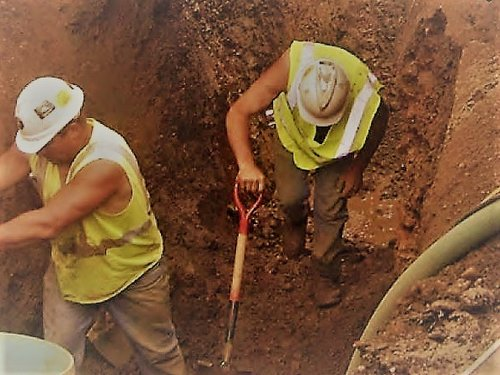
Excavation-related accidents are another major cause of fatalities. Trenches collapse when soil type, depth, groundwater conditions, and surcharge loads are not properly assessed. In practice, trenches are often excavated vertically without shoring, benching, or sloping. Workers are sent inside unsupported excavations under pressure to meet deadlines. When soil fails, there is little chance of escape. Such failures indicate poor understanding of soil mechanics and complete disregard for safety protocols.
Lifting and Crane Accidents Due to Poor Planning and Overloading
Lifting operations involve high risk and require precise planning. Crane accidents occur due to overloading, unstable ground conditions, improper rigging, and lack of communication between operators and signalers. In many real-life cases, cranes overturn because soil bearing capacity is ignored or counterweights are mismanaged. These failures are not equipment issues but engineering and planning failures that put lives at risk.
Electrical Hazards and Temporary Power Mismanagement
Temporary electrical systems on construction sites are often poorly planned and loosely monitored. Exposed cables, improper earthing, overloaded circuits, and unauthorized connections create serious electrocution risks. Waterlogged sites combined with temporary power lines significantly increase danger. Many accidents occur during night shifts or monsoon periods when visibility and insulation are compromised. These failures highlight the importance of basic electrical safety awareness among civil engineers.
Formwork and Shuttering Failures During Concreting
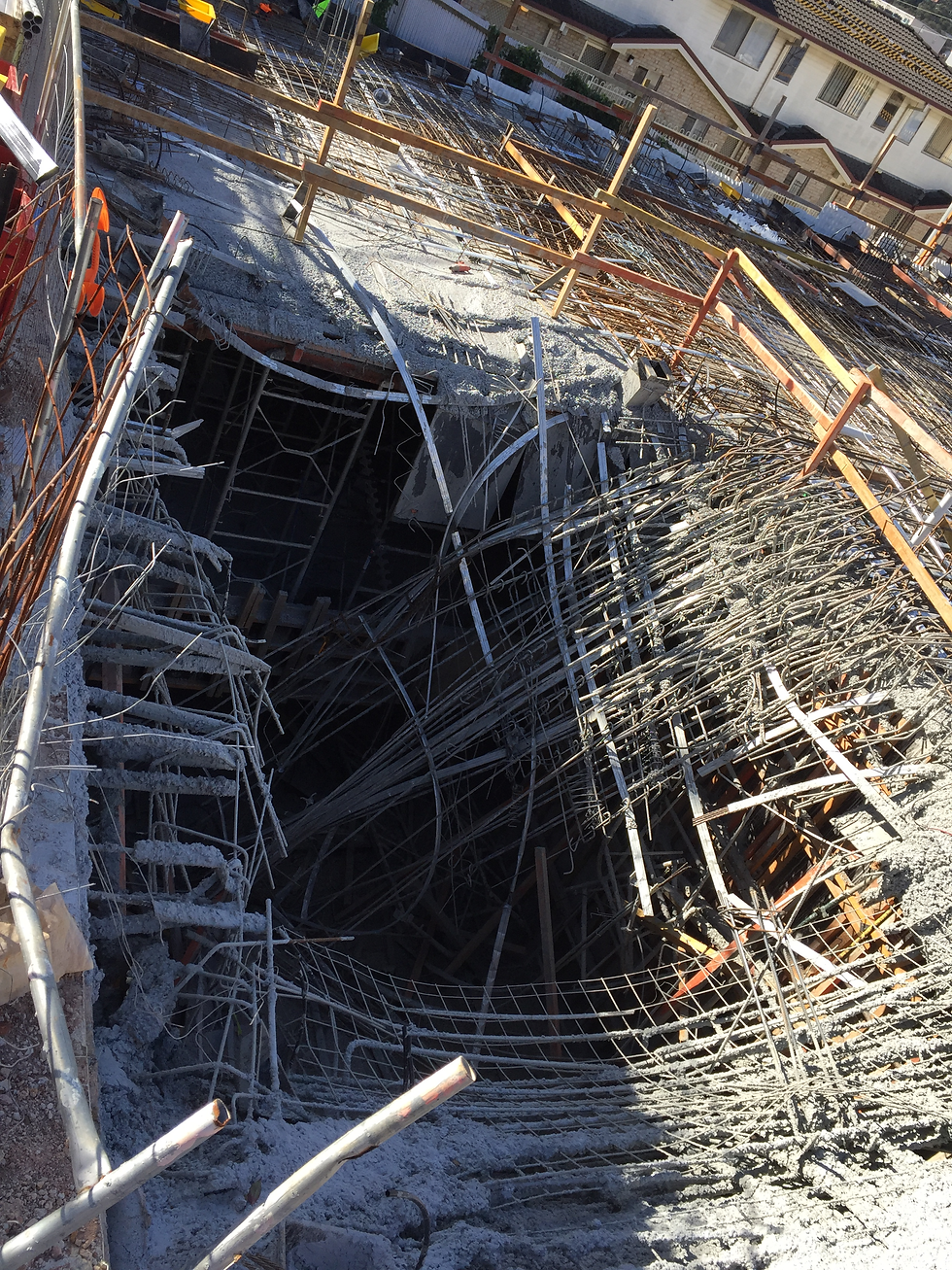
Formwork failures are among the most catastrophic construction accidents. Weak shuttering systems, inadequate bracing, and premature loading lead to collapse during concreting. In real projects, shuttering is sometimes reused beyond its capacity or erected without proper load calculations. When formwork collapses, workers are trapped under wet concrete, often resulting in fatalities. These failures occur due to ignoring formwork design checks and improper supervision.
Absence or Misuse of Personal Protective Equipment
While PPE is considered the last line of defense, its absence significantly increases injury severity. Helmets, safety shoes, harnesses, gloves, and reflective vests are often ignored due to discomfort or lack of enforcement. In many real-life accidents, injuries could have been reduced or avoided if basic PPE was used. The failure here is not availability but enforcement and safety culture.
Safety Failures Due to Poor Training and Communication
Many construction workers are unaware of site-specific hazards because safety training is either inadequate or treated as a formality. Language barriers, lack of visual instructions, and absence of daily safety briefings result in misunderstandings. When workers do not understand risks, they unknowingly place themselves in danger. Engineers who fail to communicate safety expectations clearly contribute indirectly to accidents.
Role of Engineers in Preventing Safety Failures
Civil engineers are not only responsible for quality and progress but also for safety enforcement. A site engineer’s decisions influence work sequencing, method statements, and risk exposure. Engineers who ignore unsafe practices to maintain progress indirectly endorse risk-taking behavior. Proactive hazard identification, proper planning of temporary works, and strict safety enforcement save lives and protect projects from legal and reputational damage.
Lessons Every Civil Engineer Must Learn from Site Accidents
Every construction accident carries lessons written in human cost. Safety cannot be delegated entirely to safety officers or contractors. Engineers must understand that safety failures are engineering failures. Respecting method statements, questioning unsafe shortcuts, and stopping work when conditions are dangerous are signs of professional integrity, not weakness.
Conclusion
Real-life safety failures on construction sites are rarely unavoidable. They are the result of ignored warnings, weak supervision, poor planning, and compromised engineering judgment. For civil engineers, safety is not an additional responsibility—it is a core professional duty. Projects can recover from delays and cost overruns, but they can never recover from lost lives. A truly successful civil engineer is one who delivers projects safely, ethically, and responsibly.


Comments