
QUESTIONS CIVIL ENGINEERING FRESHERS SHOULD ASK BEFORE JOINING THEIR FIRST JOB
- Anjali Regmi
- Jan 27
- 4 min read

For civil engineering freshers, the first job is more than just employment. It sets the tone for learning, discipline, confidence, and long term career direction. Many freshers accept their first offer quickly due to excitement, pressure, or fear of missing opportunities. While getting a job is important, joining the right job is even more critical.
In civil engineering, early decisions can either accelerate growth or delay it significantly. Asking the right questions before joining helps freshers understand what they are stepping into and whether the role aligns with long term learning and professional development. This blog outlines the most important questions civil engineering freshers should ask before accepting their first job and explains why each question matters.
WHAT TYPE OF PROJECT WILL I BE WORKING ON

The nature of the project determines what a fresher will learn daily. Working on an active construction site provides exposure to execution, coordination, and problem solving. Freshers should ask whether the project is in an execution phase or nearing completion, as learning opportunities differ greatly.
Projects such as residential buildings, infrastructure works, and industrial construction offer different types of exposure. Understanding the project type helps freshers evaluate whether the role will strengthen core fundamentals or limit learning to repetitive tasks.
WILL THE ROLE INVOLVE REGULAR SITE EXPOSURE
Civil engineering is a field oriented profession, especially in the early years. Freshers should clearly ask whether the role includes daily site exposure or is primarily office based.
While office roles have value, early career learning is strongest when freshers observe and participate in site activities. Exposure to drawings, materials, safety practices, and execution methods builds confidence that cannot be gained from desks alone.
WHO WILL I BE REPORTING TO AND LEARNING FROM
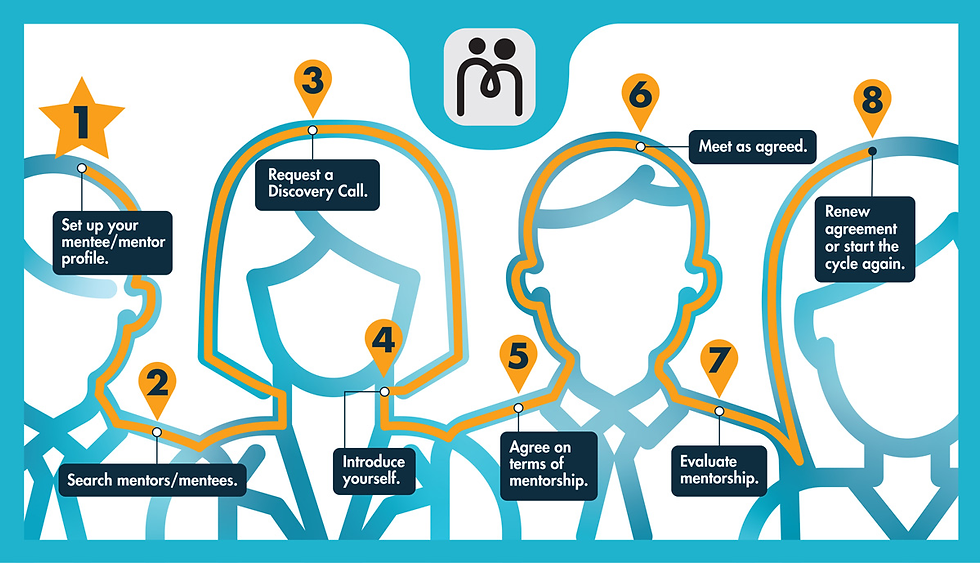
Mentorship plays a crucial role in early career development. Freshers should ask about the reporting structure and whether experienced engineers will be available for guidance.
Learning under knowledgeable seniors accelerates understanding and helps avoid common mistakes. Roles where freshers are left without guidance often lead to confusion and slow growth. Knowing who will mentor and supervise helps assess learning quality.
WHAT KIND OF RESPONSIBILITIES WILL I HANDLE INITIALLY
Freshers should seek clarity on initial responsibilities. Understanding whether the role involves supervision, measurements, quality checks, or documentation helps set realistic expectations.
Clear responsibilities indicate structured roles. Vague answers may signal undefined positions where learning is unplanned. Freshers grow faster when responsibilities are aligned with gradual learning rather than overwhelming or irrelevant tasks.
WHAT TRAINING OR LEARNING SUPPORT IS PROVIDED
Some companies provide basic induction or on site training for freshers, while others expect learning through observation. Asking about training support helps freshers prepare mentally.
Even informal guidance matters. Companies that encourage learning, feedback, and skill development create healthier environments for young engineers. Absence of learning support may result in trial and error learning, which can be stressful.
WHAT ARE THE WORKING HOURS AND SITE CONDITIONS
Construction work often involves long hours and challenging conditions. Freshers should ask about typical working hours, site locations, and travel requirements.
Understanding these factors helps freshers prepare physically and mentally. Unrealistic expectations often lead to early dissatisfaction. Knowing site realities beforehand builds resilience and commitment.
HOW DOES THE COMPANY MEASURE PERFORMANCE AND GROWTH
Freshers should ask how performance is evaluated and how growth opportunities are determined. Some companies value learning and responsibility, while others focus only on output.
Understanding appraisal systems helps freshers align efforts with expectations. Transparent evaluation processes indicate structured career paths, which are beneficial for long term growth.
WHAT OPPORTUNITIES EXIST FOR SKILL EXPANSION
Early career growth depends on exposure to different aspects of projects. Freshers should ask whether they will have opportunities to learn planning, documentation, quality control, or coordination over time.
Roles that evolve gradually help engineers build holistic understanding. Stagnant roles that restrict learning may limit long term prospects.
WHAT IS THE COMPANY CULTURE AND WORK ENVIRONMENT
Company culture influences daily experience. Freshers should observe how employees communicate, handle pressure, and treat juniors during interviews or site visits.
A respectful and professional environment supports learning. Toxic or excessively stressful cultures can harm confidence and motivation. Asking about team dynamics provides valuable insight.
HOW DOES THE COMPANY HANDLE SAFETY AND QUALITY
Safety and quality reflect a company’s professionalism. Freshers should ask about safety practices, training, and quality control systems.
Companies that prioritize safety and quality protect both workers and engineers. Ignoring these aspects may expose freshers to risky practices and ethical dilemmas early in their careers.
WHAT ARE THE TERMS OF EMPLOYMENT AND STABILITY
Understanding employment terms is essential. Freshers should ask about probation periods, contract duration, and stability of projects.
Clear employment terms reduce uncertainty. Vague arrangements may create insecurity. Transparency indicates professionalism.
WHY ASKING QUESTIONS DOES NOT SHOW WEAKNESS
Many freshers fear that asking questions may appear demanding. In reality, thoughtful questions reflect seriousness and maturity.
Employers often appreciate candidates who seek clarity. It shows commitment and long term thinking rather than desperation for any job.
COMMON MISTAKES FRESHERS MAKE WHILE ACCEPTING FIRST JOBS
Some freshers focus only on salary without evaluating learning potential. Others accept roles without understanding responsibilities or site conditions.
Such decisions often lead to early dissatisfaction or stagnation. Asking the right questions helps avoid these mistakes.
LONG TERM IMPACT OF MAKING INFORMED DECISIONS
Freshers who make informed decisions build stronger foundations. They adapt faster, learn better, and grow steadily.
The first job does not define the entire career, but it strongly influences confidence and direction. Thoughtful choices create momentum.
CONCLUSION
The first job is a critical milestone in a civil engineering career. Freshers who ask the right questions before joining gain clarity, confidence, and control over their professional journey.
Civil engineering rewards those who plan thoughtfully and commit to learning. Asking questions is not hesitation. It is preparation. A well chosen first job becomes a strong foundation for long term success.


Comments