
Quality Control in Construction: Tests, Checkpoints & Responsibilities of a Civil Engineer
- Anjali Regmi
- Jan 21
- 4 min read

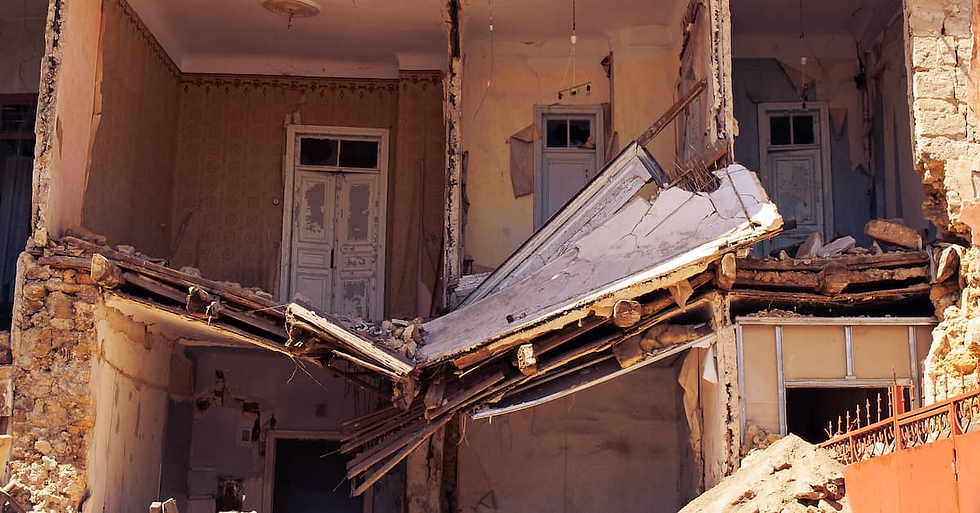
Quality control in construction is one of the most critical responsibilities of a civil engineer. A structure may look complete from the outside, but its true strength, durability, and safety depend on how well quality was controlled during construction. Poor quality not only leads to defects and failures but also causes delays, cost overruns, and legal issues.
For site engineers, quality engineers, and freshers preparing for interviews, understanding quality control tests, checkpoints, and responsibilities is essential. This blog explains quality control in construction in a simple, systematic, and practical manner, especially relevant to Indian construction practices.

What Is Quality Control in Construction?
Quality control (QC) in construction refers to the systematic process of ensuring that materials, workmanship, and execution meet the specified standards, drawings, and codes.
It focuses on:
Preventing defects rather than correcting them later
Ensuring safety, strength, and durability
Maintaining consistency in construction work
Quality control is not a one-time activity—it is followed from the start of the project until completion.
Why Quality Control Is Important in Construction
Quality control is crucial because:
Construction defects are expensive to repair
Poor quality reduces the life of a structure
Safety risks increase significantly
Rework causes time and cost overruns
Legal and compliance issues may arise
A civil engineer is responsible not only for completing work, but for delivering work that lasts.
Key Stages of Quality Control in Construction
Quality control is carried out in three major stages:
Before construction (Material & Planning stage)
During construction (Execution stage)
After construction (Inspection & testing stage)
Let us understand each stage in detail.
1. Material Quality Control: Tests Before Use
Materials form the foundation of quality construction. A civil engineer must ensure that only approved and tested materials are used on site.
Common Material Tests
Cement
Fineness test
Consistency test
Initial & final setting time
Compressive strength test
Aggregates
Sieve analysis
Water absorption
Impact and crushing value tests
Steel Reinforcement
Tensile strength test
Bend and re-bend test
👉 Purpose: Ensure materials meet standards before use.
2. Quality Control During Construction (Execution Stage)
This is the most important phase of quality control, as mistakes here are difficult to correct later.
A. Reinforcement Quality Checks
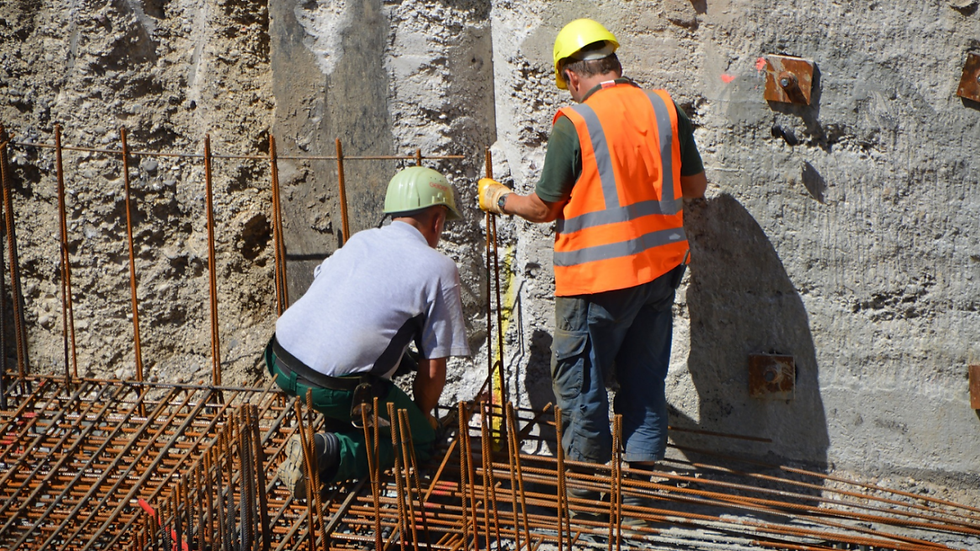
Correct bar diameter and spacing
Proper lap length and anchorage
Adequate cover using cover blocks
Clean, rust-free steel
B. Shuttering & Formwork Checks
Alignment and plumb
Tight joints to prevent leakage
Proper support and props
Correct dimensions as per drawings
C. Concrete Quality Checks
Approved mix design
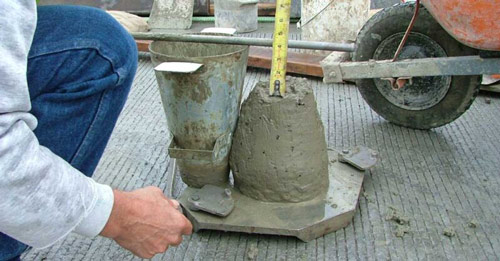
Slump test before pouring
Proper compaction using vibrators
Continuous concreting without segregation
D. Curing Quality
Timely curing after concrete setting
Adequate curing duration
Prevention of early drying and cracks
👉 Purpose: Maintain consistency and avoid structural defects.
3. Quality Control Tests After Construction
After execution, testing is carried out to verify actual strength and performance.
Concrete Cube Test
Conducted at 7 days and 28 days
Confirms compressive strength of concrete
Non-Destructive Tests (NDT)
Rebound hammer test
Ultrasonic pulse velocity test
Final Inspection
Check alignment, cracks, honeycombing
Verify dimensions and finishes
Ensure compliance with drawings
Quality Control Checkpoints a Civil Engineer Must Monitor
Quality control is ensured through regular checkpoints, including:
Incoming material inspection
Pre-concreting checks
During-concreting supervision
Post-concreting inspection
Periodic site audits
These checkpoints ensure no stage is skipped or compromised.
Responsibilities of a Civil Engineer in Quality Control
A civil engineer plays a central role in maintaining quality on site.
Key Responsibilities
Understanding drawings and specifications
Ensuring approved materials are used
Supervising workmanship on site
Conducting and recording tests
Coordinating with contractors and consultants
Maintaining quality records and reports
A civil engineer is accountable for both execution and compliance.
Common Quality Issues in Construction
Some frequent quality issues include:
Honeycombing in concrete
Improper curing leading to cracks
Incorrect reinforcement placement
Poor workmanship in masonry
Water leakage due to improper detailing
Most of these issues arise due to lack of supervision or rushed work.
Quality Control in Interviews: What Freshers Must Know
Interviewers often ask:
What is quality control in construction?
What tests are conducted on concrete?
How do you ensure quality on site?
What are common construction defects?
Freshers who understand practical quality checks perform significantly better in interviews.
Why Quality Control Defines a Good Civil Engineer
A good civil engineer is not the one who finishes work fastest, but the one who:
Follows standards strictly
Prevents defects proactively
Balances speed with quality
Protects public safety
Quality control reflects an engineer’s professional ethics and responsibility.
Conclusion
Quality control in construction is not an optional task—it is the core responsibility of a civil engineer. From material testing and execution checks to final inspections, quality control ensures that structures are safe, durable, and compliant with standards.
For civil engineering students and freshers, understanding quality control builds technical confidence, site credibility, and interview readiness. In the long run, engineers who prioritize quality earn trust, responsibility, and leadership roles.
In construction, quality is not checked at the end—it is built at every step.


Comments