
Punching Shear Failure in Flat Slabs: Site-Level Causes Engineers Overlook
- Anjali Regmi
- Feb 9
- 4 min read

Introduction
Flat slab systems are widely used in residential, commercial, and parking structures because they offer architectural flexibility, reduced floor height, and faster construction. However, flat slabs come with a critical vulnerability: punching shear failure at column–slab connections. Unlike flexural failure, punching shear is sudden and brittle, often providing little warning before collapse. In real projects, many punching shear failures occur despite adequate design calculations, because execution and site practices undermine the assumptions made during design.
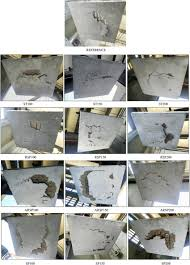
What Is Punching Shear in Flat Slabs
Punching shear occurs when a concentrated load at a column causes a slab to fail along a truncated cone or pyramid around the column. The slab essentially “punches” through under high shear stress. Designers account for this by checking critical perimeters and providing adequate slab thickness, reinforcement, and sometimes shear reinforcement. On site, however, small deviations can drastically reduce punching shear capacity.
Why Punching Shear Failure Is Dangerous
Punching shear failure is catastrophic because it is brittle and localized. When one column connection fails, load redistributes to adjacent columns, which may also fail in rapid succession—leading to progressive collapse. Unlike beam failures that show visible cracking and deflection, punching shear may present only subtle warning signs that are easy to miss on busy sites.
Insufficient Slab Thickness Due to Level Errors
One of the most overlooked site-level causes is reduced effective slab depth. Errors in shuttering levels, excessive finishing screed, or camber issues reduce the effective depth near columns. Even a small reduction in depth significantly lowers punching shear resistance. Designers assume a specific effective depth; site deviations invalidate those assumptions without obvious visual cues.
Improper Placement of Top Reinforcement Near Columns
Flat slabs rely heavily on correctly placed top reinforcement around columns to resist negative moments and control cracking. On site, bars may be displaced during concreting, pushed down due to congestion, or incorrectly supported. Missing chairs or improper spacing causes reinforcement to sag, reducing its effectiveness precisely where it is needed most—near the column face.

Ignoring or Poor Installation of Punching Shear Reinforcement
Where punching shear reinforcement (stud rails, shear heads, or stirrups) is specified, execution quality is critical. In practice, these systems are sometimes omitted due to procurement delays, installed incorrectly, or altered to ease concreting. Incorrect orientation, inadequate anchorage, or reduced quantity severely compromises performance, even if drawings are correct.
Column Size Changes and Architectural Modifications
Punching shear capacity is directly related to column dimensions. Late-stage architectural changes—such as reducing column size for aesthetics or increasing openings near columns—are common on site. These changes reduce the critical perimeter and increase shear stress, often without recalculating punching shear. The slab may pass visual inspection but be structurally unsafe.
Poor Concrete Quality and Compaction at Column Zones
Column–slab junctions are congested and difficult to compact. Inadequate vibration leads to honeycombing and voids, reducing effective shear area and bond. While cube test results may be acceptable, the concrete around columns may be significantly weaker. Concealing honeycombing with grout hides the defect but does not restore punching shear capacity.

Early Loading and Construction Sequencing Errors
Flat slabs are sensitive to early-age loading. Stacking materials, erecting formwork for upper floors, or operating equipment before concrete gains sufficient strength introduces high shear stresses at columns. These early microcracks reduce reserve capacity and can precipitate punching failure later under service loads.
Overloading Beyond Design Assumptions
Change of use is a frequent real-world trigger. Residential flats converted to offices, libraries, storage areas, or server rooms introduce loads far beyond original design assumptions. Flat slabs, already shear-critical at columns, are particularly vulnerable to such overloading when punching checks are not revisited.
Warning Signs Engineers Often Miss
Early signs include radial cracks around columns, localized crushing, unusual vibrations, or sudden cracking in column strips. These are often dismissed as shrinkage or finishing defects. Ignoring these indicators allows damage to progress until sudden failure occurs.
How Engineers Can Prevent Punching Shear Failures
Prevention starts with strict control of slab thickness and levels, proper support of reinforcement, and rigorous inspection before concreting. Shear reinforcement must be installed exactly as designed. Any change in column size, loading, or layout requires rechecking punching shear. During construction, early loading should be controlled and documented.
Assessment and Strengthening of Existing Flat Slabs
For existing buildings, engineers assess punching shear using visual inspection, load evaluation, and testing. Strengthening options include column capitals, drop panels, steel collars, or fiber-reinforced polymer systems. These solutions are effective only when correctly designed and executed, emphasizing the need for experienced engineering judgment.
Role of the Site Engineer in Punching Shear Safety
Site engineers are the last line of defense against punching shear failure. Ensuring reinforcement placement, checking slab depth at columns, supervising concreting, and questioning unauthorized changes are non-negotiable responsibilities. Punching shear failures are rarely calculation errors; they are execution failures.
Conclusion
Punching shear failure in flat slabs is a high-risk, low-warning mode of failure that demands respect from every civil engineer. While designs may be code-compliant, site-level deviations—often considered minor—can drastically reduce safety. Recognizing critical zones, enforcing execution discipline, and responding early to warning signs are essential. Flat slabs deliver efficiency and flexibility only when supported by rigorous engineering control at the column–slab interface.


Comments