
Poor Subgrade Preparation and Its Impact on Road and Pavement Life
- Anjali Regmi
- Feb 9
- 4 min read

Introduction
In road and pavement construction, failures are often blamed on poor-quality materials, heavy traffic, or harsh weather. However, in real projects, the root cause of premature pavement failure is very often poor subgrade preparation. The subgrade is the foundation of the pavement system. No matter how strong the pavement layers above it are, a weak or poorly prepared subgrade will inevitably lead to distress, deformation, and early failure. For civil engineers, understanding subgrade behavior and preparation practices is fundamental to building durable roads.
Role of Subgrade in Pavement Performance
The subgrade is the natural soil or prepared layer that supports the entire pavement structure. It carries traffic loads transmitted through the pavement layers and distributes them safely to the ground. Pavement design assumes a specific subgrade strength, usually expressed in terms of CBR or modulus values. When the actual subgrade condition does not match these assumptions, stresses increase in upper layers, leading to cracking, rutting, and settlement.
In practice, many pavements fail not because the asphalt or concrete is weak, but because the subgrade deforms excessively under repeated loads.
Inadequate Compaction of Subgrade Soil
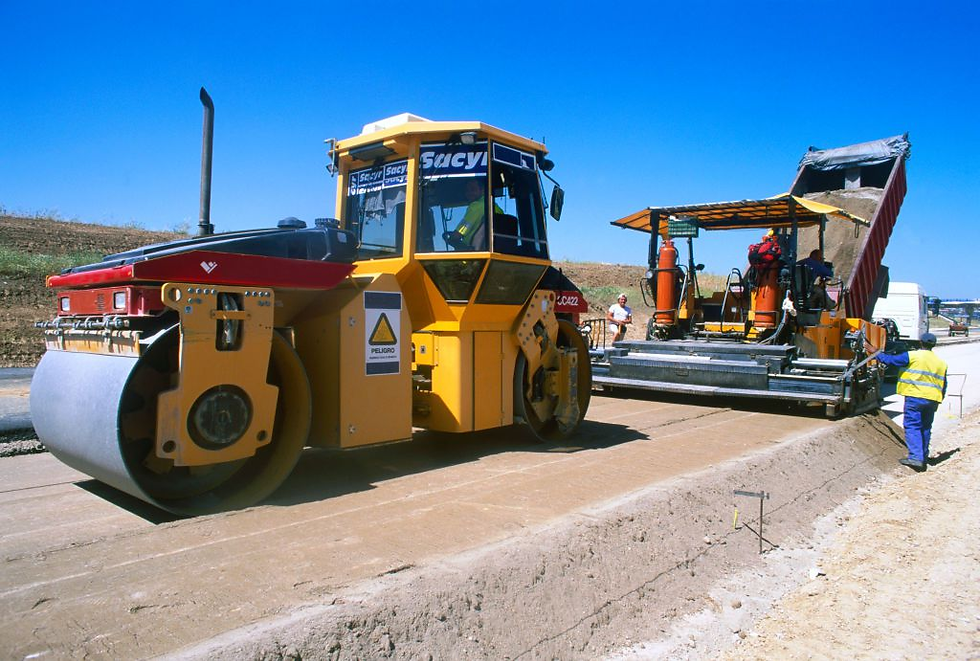
One of the most common causes of subgrade-related pavement failure is insufficient compaction. Proper compaction increases soil density, shear strength, and load-bearing capacity. On site, compaction may be inadequate due to poor equipment selection, insufficient roller passes, or improper moisture control. Areas near edges, utilities, and shoulders are especially prone to under-compaction.
Poorly compacted subgrade settles under traffic, causing surface depressions, cracking, and uneven riding quality.

Incorrect Moisture Content During Compaction
Soil compaction is highly sensitive to moisture content. Compaction below optimum moisture results in low density, while excessive moisture leads to pumping and instability. In real projects, compaction is often carried out without proper moisture control due to time pressure or lack of testing. Seasonal variations further complicate the issue, as soils compacted during dry periods behave very differently during monsoon conditions.
When moisture conditions are ignored, subgrade strength fluctuates over time, accelerating pavement deterioration.
Presence of Weak or Expansive Soils
Clayey and expansive soils pose significant challenges for pavement performance. These soils undergo volume changes with moisture variation, leading to heaving during wet seasons and shrinkage during dry periods. If such soils are not identified and treated during subgrade preparation, pavements experience cracking, uneven settlement, and loss of serviceability.
In many cases, weak soil pockets are left untreated due to inadequate soil investigation or poor site supervision, creating localized failure zones.
Improper Removal of Topsoil and Organic Material
Topsoil and organic layers have low strength and high compressibility. A critical but often neglected step in subgrade preparation is the complete removal of these unsuitable materials. When organic matter remains in the subgrade, it decomposes over time, causing voids and settlement. This leads to surface depressions and cracking in pavements, especially in low-traffic rural roads.
Lack of Subgrade Stabilization Where Required
When natural soil strength is insufficient, subgrade stabilization becomes necessary. Techniques such as lime stabilization, cement treatment, or use of geosynthetics improve load distribution and reduce deformation. In real projects, stabilization is sometimes omitted to reduce cost, even when soil conditions demand it. This short-term saving results in long-term maintenance costs and early pavement failure.
Poor Drainage and Water Infiltration
Water is the greatest enemy of pavements. Poor drainage allows water to accumulate in the subgrade, reducing soil strength and causing pumping under traffic loads. Inadequate side drains, blocked outlets, and poor camber lead to saturation of subgrade layers. Over time, this results in rutting, potholes, and base course failure.
Even a well-compacted subgrade can fail if drainage is neglected.
Construction Traffic on Unprotected Subgrade
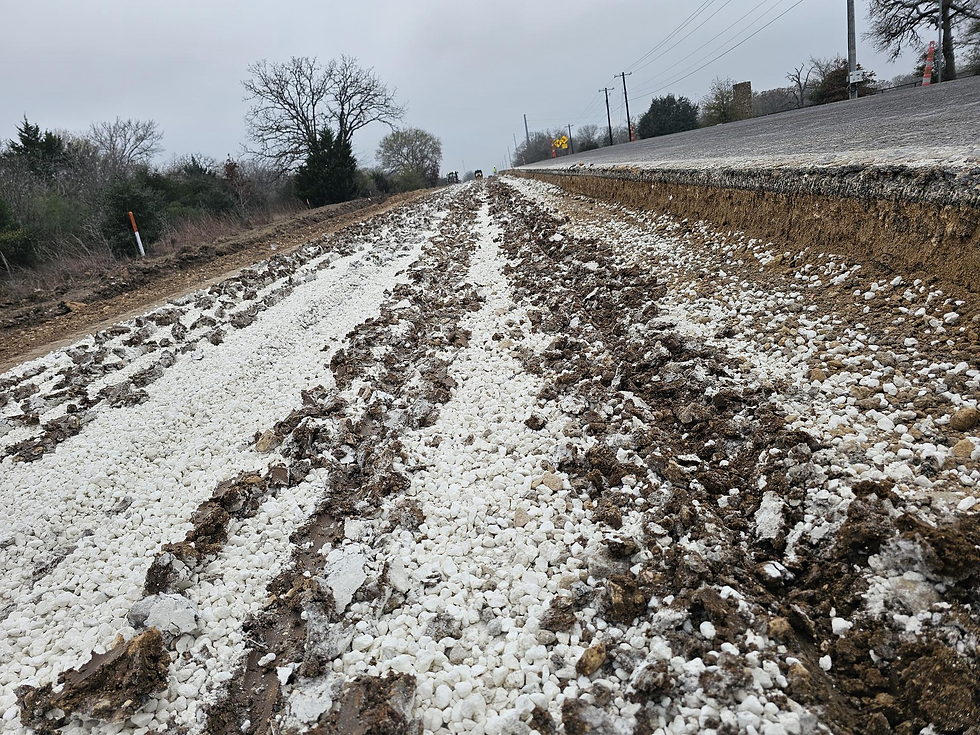
Allowing heavy construction traffic to move over prepared subgrade damages its structure before pavement layers are placed. Rutting, contamination, and loss of compaction occur when subgrade is exposed for extended periods. In fast-track projects, this damage often goes unnoticed and is buried under pavement layers, only to manifest later as structural distress.
Pavement Distresses Caused by Poor Subgrade Preparation
Subgrade-related failures appear as rutting, longitudinal and alligator cracking, edge breaks, and uneven settlement. In rigid pavements, poor subgrade leads to slab pumping, faulting, and cracking. These distresses reduce riding comfort, increase vehicle operating costs, and shorten pavement life significantly.
Role of Civil Engineers in Ensuring Subgrade Quality
Civil engineers play a crucial role in subgrade performance. Ensuring proper soil investigation, verifying compaction levels, monitoring moisture content, and enforcing stabilization measures are essential responsibilities. Engineers must resist pressure to proceed with pavement layers over inadequately prepared subgrade, as correction later is far more difficult and costly.
Engineering Best Practices for Durable Pavements
Best practices include thorough soil investigation, strict compaction control, real-time field testing, proper drainage design, and protection of prepared subgrade. Using mechanized compaction, quality control checklists, and staged approvals improves consistency. Designing pavements with realistic subgrade assumptions ensures long-term performance.
Conclusion
Poor subgrade preparation silently undermines the performance of roads and pavements. While surface layers attract attention, it is the unseen foundation that determines pavement life. Most premature pavement failures can be traced back to inadequate compaction, moisture mismanagement, weak soils, and poor drainage. For civil engineers, investing effort in subgrade preparation is not optional—it is the cornerstone of safe, durable, and cost-effective pavement construction.


Comments