
Poor Drainage Planning in Buildings: How Water Accumulation Damages Structures
- Anjali Regmi
- Mar 6
- 3 min read

Drainage planning is one of the most overlooked aspects of building design and construction. While engineers often focus on structural strength, inadequate drainage systems can cause serious long-term problems such as water stagnation, foundation damage, dampness, and structural deterioration. Improper drainage planning allows water to accumulate around buildings or on structural surfaces, gradually weakening the structure and reducing its lifespan.
In real construction projects, drainage problems often appear after the building is completed, when rainwater starts collecting on roofs, terraces, basements, or around foundations. These issues can lead to expensive repairs and maintenance.
Why Drainage Planning is Critical in Construction
Water accumulation can severely damage construction materials and structural components. Proper drainage systems ensure that rainwater and wastewater are safely directed away from the building.
Effective drainage planning helps to:
Prevent water accumulation on roofs and terraces
Protect foundations from water infiltration
Reduce soil erosion around buildings
Avoid dampness and mold inside structures
Common Drainage Problems on Construction Sites
Improper Roof Slope
Flat roofs without proper slope prevent water from flowing toward drainage outlets, leading to water ponding.
Blocked Drainage Pipes
Debris, construction waste, or poor maintenance can block drainage systems and cause water overflow.
Insufficient Drainage Outlets
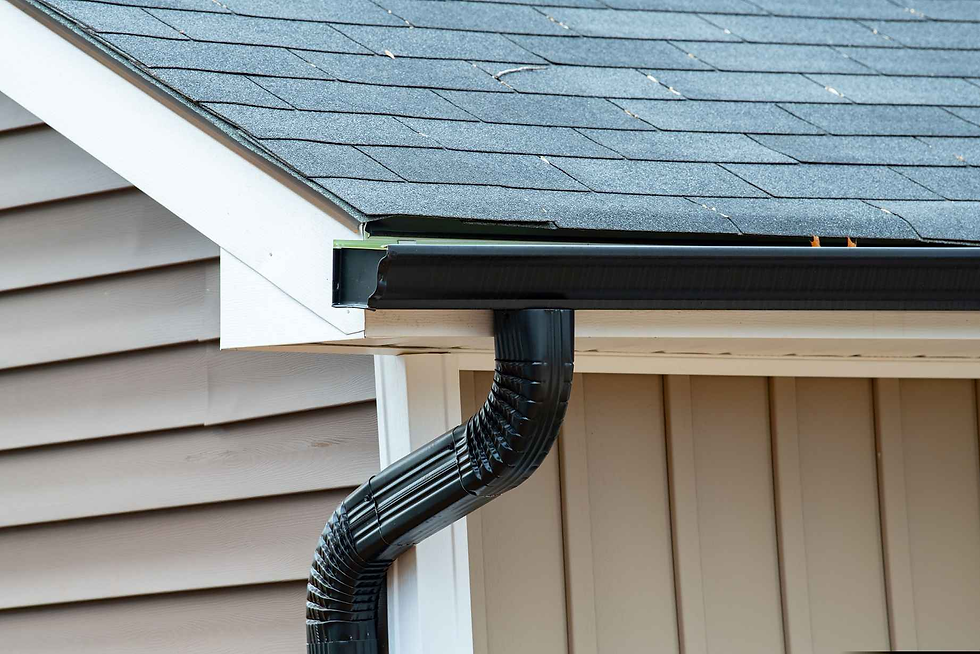
Large roof areas require multiple outlets to handle heavy rainfall. Inadequate outlets lead to water accumulation.
Water Ponding on Roofs
Water ponding occurs when rainwater collects on flat surfaces instead of draining away. This condition increases the load on the roof slab and accelerates waterproofing damage.
Drainage Issues Around Building Foundations
Improper ground drainage allows rainwater to accumulate around the foundation area. Continuous water exposure weakens the soil supporting the structure and may cause foundation settlement.
Common foundation drainage problems include:
Poor site grading
Lack of surface drains
Inadequate stormwater management
Basement Flooding Due to Poor Drainage
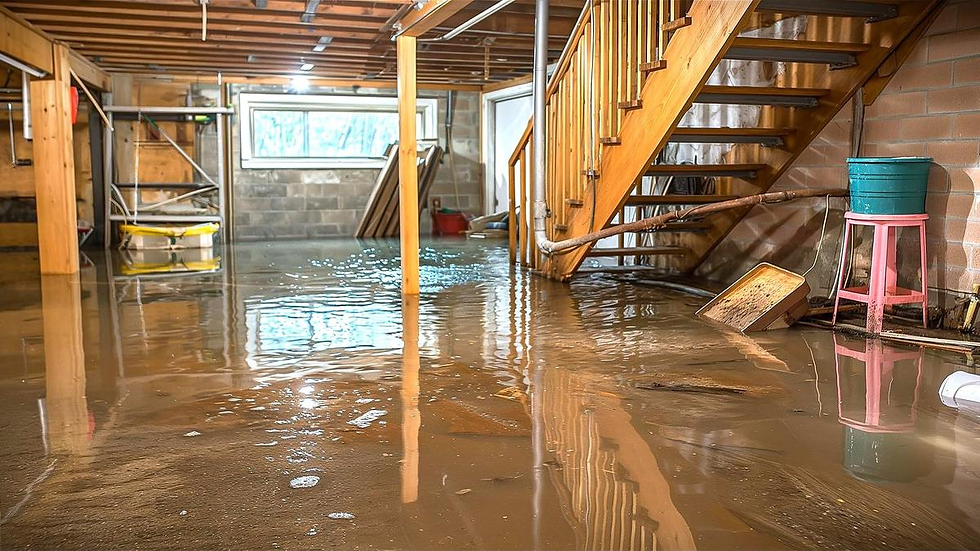
Basements are especially vulnerable to water infiltration. Without proper drainage systems, groundwater or rainwater can enter basement areas.
Typical causes include:
Lack of perimeter drainage pipes
Poor waterproofing of basement walls
High groundwater levels
Basement flooding can damage equipment, electrical systems, and building interiors.
Impact of Poor Drainage on Structural Durability
Continuous water exposure can lead to:
Concrete deterioration
Reinforcement corrosion
Mold and fungal growth
Damage to plaster and finishes
Over time, these issues compromise both structural performance and indoor living conditions.
Importance of Proper Site Grading
Site grading involves shaping the ground around a building to ensure that water flows away from the structure. Proper grading prevents water from accumulating near foundations.
The ground surface should slope away from the building to allow rainwater to drain naturally.
Role of Civil Engineers in Drainage Planning
Civil engineers must ensure that drainage systems are properly designed and implemented during construction.
Their responsibilities include:
Designing effective roof drainage systems
Planning site grading and stormwater channels
Inspecting drainage pipes during installation
Ensuring proper slope in terraces and wet areas

Preventive Measures for Effective Drainage
To prevent drainage-related problems, engineers should:
Provide adequate slope on roofs and terraces
Install sufficient drainage outlets
Ensure regular maintenance of drainage pipes
Design proper stormwater management systems
Implement effective foundation drainage
These measures significantly reduce the risk of water damage.
Environmental Considerations in Drainage Systems
Modern drainage planning also considers environmental sustainability. Rainwater harvesting systems and permeable surfaces help manage stormwater while conserving water resources.
Sustainable drainage systems reduce pressure on urban drainage infrastructure.
Financial Impact of Drainage Failures
Poor drainage planning often leads to:
Waterproofing repairs
Structural maintenance costs
Interior damage repairs
Reduced property value
Investing in proper drainage systems during construction prevents these costly issues.
Conclusion: Effective Drainage Protects Structural Integrity
Drainage planning is a critical component of construction that directly affects building durability and functionality. Most drainage problems arise from poor design, lack of slope, blocked pipes, or inadequate supervision during construction.
Civil engineers who prioritize proper drainage systems, supervise installation carefully, and ensure effective water management significantly improve building longevity. In real construction practice, effective drainage planning demonstrates technical awareness, responsible design, and commitment to building safe and durable structures.


Comments